Myths are more than just ancient stories—they are the building blocks of human thought, culture, and meaning. Few scholars have delved as deeply into the structure and significance of myths as Claude Lévi-Strauss, the renowned French anthropologist. His work, particularly in structural anthropology, revealed how myths function as systems of communication, encoding universal human experiences and contradictions. Below, we explore ten powerful quotes from Lévi-Strauss that illuminate the role of myth in shaping our understanding of the world.
The Language of Myth: A Window into Human Thought


Lévi-Strauss viewed myths not as random tales but as structured narratives that reflect the deep patterns of the human mind. In Myth and Meaning, he argues that myths serve as a language, allowing us to decode the complexities of social and cultural systems. This perspective transforms myths from mere entertainment into vital tools for understanding human cognition and society.
The Binary Oppositions in Myth

One of Lévi-Strauss’s most influential ideas is the concept of binary oppositions—pairs of contrasting concepts (like raw/cooked, nature/culture) that structure myths. He demonstrated how these oppositions create meaning by resolving contradictions in human experience. This approach reveals how myths act as mediators, helping societies navigate the tensions between opposing forces.
Myth as a Reflection of Social Structure

Lévi-Strauss believed that myths are not isolated stories but are deeply connected to the social structures of the cultures that produce them. By analyzing myths, we can uncover the underlying rules and relationships that govern a society. This idea underscores the importance of myths as historical documents, preserving the values and conflicts of past civilizations.
The Universal Patterns of Myth

Despite the diversity of myths across cultures, Lévi-Strauss identified universal patterns that recur in different forms. These patterns suggest that myths tap into fundamental human experiences, such as birth, death, and the struggle for survival. By recognizing these shared themes, we gain insight into the common threads that connect humanity across time and space.
Myth and the Human Imagination
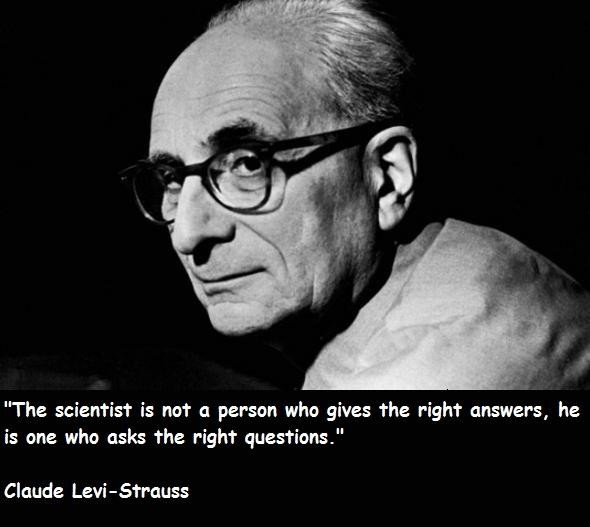
Myths are not just relics of the past; they continue to inspire creativity and innovation. Lévi-Strauss emphasized that myths fuel the human imagination, providing a framework for storytelling, art, and even scientific inquiry. Whether through literature, film, or philosophy, myths remain a vital source of inspiration, reminding us of the enduring power of narrative.
The Role of Myth in Ritual and Tradition
Rituals and traditions often draw from mythological themes, reinforcing cultural identity and continuity. Lévi-Strauss argued that myths give rituals their meaning, transforming abstract ideas into tangible practices. This connection highlights how myths are not merely stories but active forces that shape behavior, morality, and collective memory.
The Myth of the “Savage Mind”
Lévi-Strauss challenged the notion that “primitive” societies lacked logical thought, arguing instead that their myths reflect sophisticated systems of reasoning. He demonstrated that the “savage mind” is not inferior but operates differently, using myths to organize and interpret the world. This perspective reshaped anthropological thought, emphasizing the rationality behind mythological thinking.
Myth and the Search for Meaning
At their core, myths are about the search for meaning. Lévi-Strauss saw them as attempts to reconcile the contradictions of human existence, such as life and death, order and chaos. By studying myths, we engage in a timeless quest to understand our place in the universe, finding solace and insight in the stories that have endured for millennia.
The Legacy of Myth in Modern Thought
Lévi-Strauss’s work has left an indelible mark on fields ranging from anthropology to literary theory. His insights into myth continue to influence modern thought, from psychology to cultural studies. By recognizing the structural and symbolic power of myths, we gain a deeper appreciation for their role in shaping not only ancient societies but also contemporary ideas and identities.