Consciousness remains one of the most profound mysteries in science and philosophy. Few thinkers have explored its depths as thoughtfully as Christof Koch, a neuroscientist and consciousness researcher whose work bridges biology, physics, and metaphysics. His insights challenge us to reconsider what it means to be aware, to feel, and to exist. Below, we’ve curated 10 powerful quotes from Koch’s writings, interviews, and lectures—each paired with the type of content you can explore to dive deeper into his ideas.
The Nature of Consciousness: A Biological Perspective

Consciousness is not some mystical force but a biological phenomenon rooted in the brain’s intricate networks. Koch argues that understanding consciousness requires examining the physical processes that give rise to subjective experience. His work emphasizes the importance of neural correlates—the specific patterns of brain activity that correspond to conscious awareness. By studying these correlates, scientists can begin to unravel how the brain generates the rich tapestry of our inner lives.
The Hard Problem: Why Consciousness Feels Like Something

David Chalmers’ famous “hard problem” of consciousness asks why and how we have qualia—why red looks like red, why pain feels like pain. Koch tackles this question head-on, proposing that consciousness arises from the brain’s ability to integrate information across vast networks. He suggests that the brain’s dynamic interactions, rather than static structures, are key to generating the seamless flow of experience. This perspective invites us to see consciousness not as an epiphenomenon but as a fundamental aspect of reality itself.
The Illusion of the Self: Who’s Really Experiencing This?

One of Koch’s most provocative ideas is that the self—the “I” that experiences the world—may be an illusion. He draws on Buddhist philosophy and modern neuroscience to argue that what we perceive as a unified self is actually a construct of the brain, a narrative spun from sensory inputs and memories. This challenges the deeply held belief in a permanent, unchanging essence. Instead, Koch suggests that the self is a dynamic process, constantly evolving and adapting to new experiences.
Expanding Consciousness: Tools and Techniques
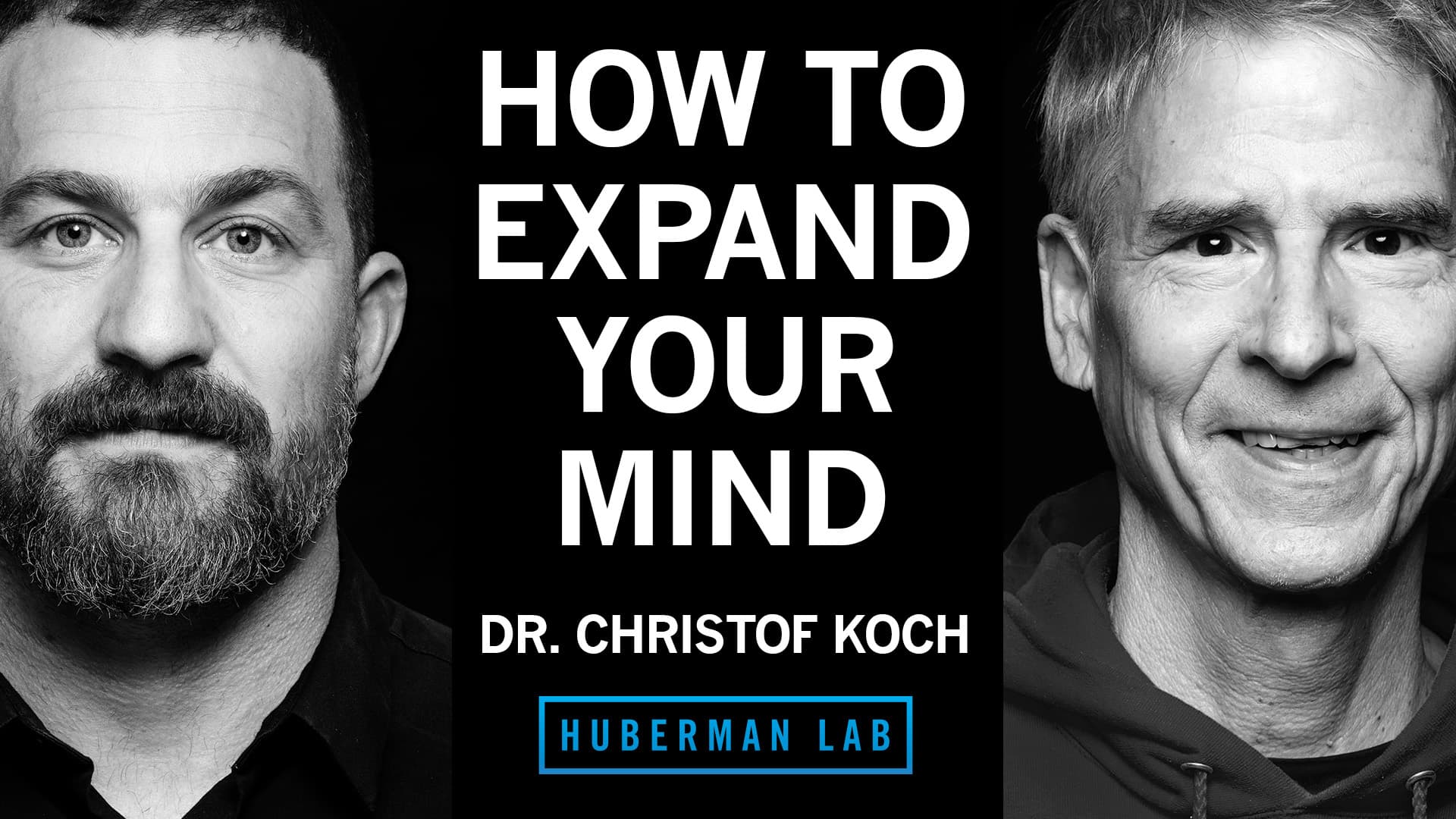
Can consciousness be expanded beyond its usual limits? Koch believes so. He explores practices like meditation, psychedelics, and neurofeedback as potential tools for altering or enhancing conscious experience. While he cautions against overhyping these methods, he acknowledges their power to temporarily dissolve the boundaries of the self, offering glimpses into states of heightened awareness. For those seeking to explore the edges of their own consciousness, Koch’s insights provide both a roadmap and a warning about the risks and rewards of such journeys.
The Role of Attention in Shaping Reality
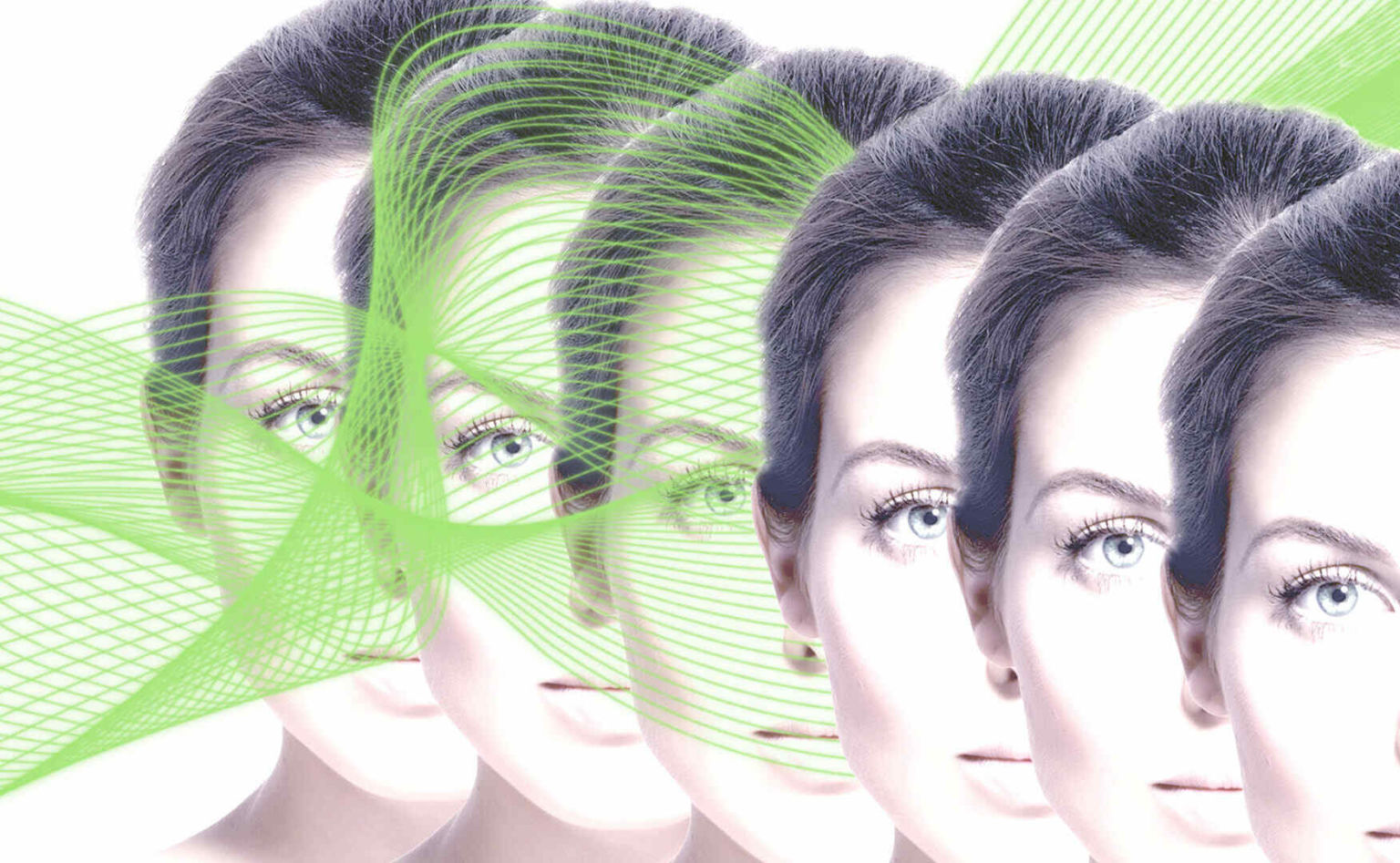
Attention is the spotlight of consciousness, directing our focus and shaping what we perceive. Koch’s research highlights how attention filters the vast amount of sensory data our brains receive, allowing us to construct a coherent reality. He argues that without attention, consciousness would be a chaotic jumble of sensations. This idea has profound implications for how we understand perception, memory, and even free will. By mastering attention, we may gain greater control over our conscious experience and, by extension, our lives.