


Ever wondered what a reindeer-doctor from a cartoon world would say about the art of healing? Chopper from One Piece might not be a real physician, but his words carry a surprising depth about medicine, life, and the human spirit. Whether you’re a medical student, a healthcare professional, or just someone who appreciates wisdom wrapped in whimsy, these quotes will make you pause and ponder. So, grab your stethoscope—or in Chopper’s case, his Rumble Balls—and let’s dive into 10 quotes that bridge the gap between fiction and reality.
When the Patient Needs More Than Medicine

Medicine isn’t just about prescriptions and procedures; it’s about understanding the soul behind the symptoms. Chopper’s journey reminds us that healing often starts with empathy. How many times have we treated the disease but forgotten the person? The best physicians—and perhaps the best cartoon reindeer—know that the heart plays a role just as vital as the mind.
The Power of Perseverance in Healing

Recovery isn’t linear. There are setbacks, doubts, and moments when even the strongest will wavers. Chopper’s own struggles with his transformations mirror the challenges patients face—both physical and emotional. Medicine teaches us to embrace these hurdles, not as failures, but as part of the journey toward wellness. After all, every scar tells a story, and every challenge is a lesson in disguise.
Food as Medicine: The Ancient Wisdom
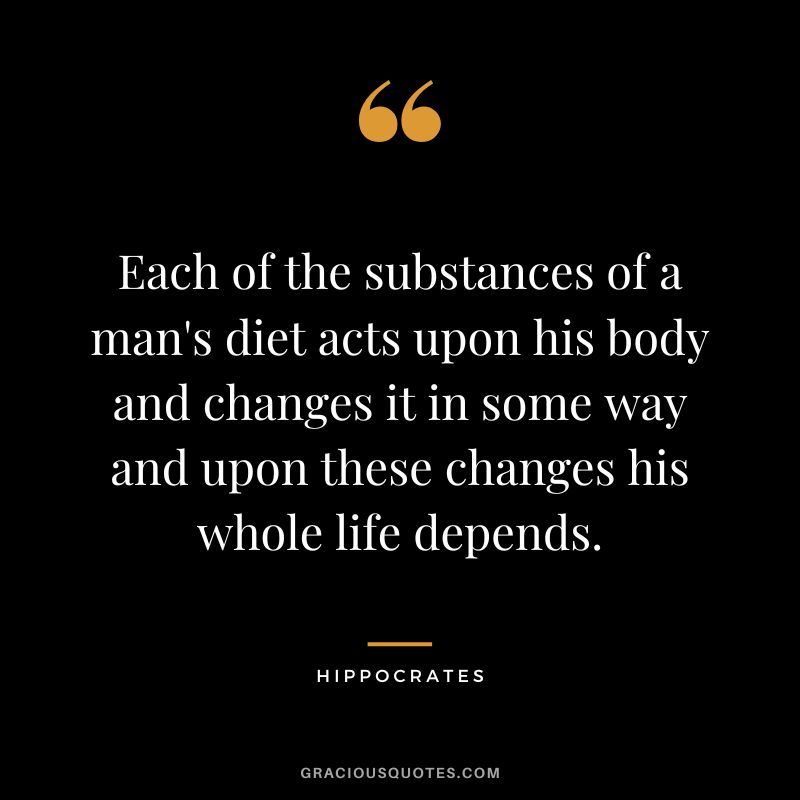
Hippocrates, the father of medicine, famously said, “Let food be thy medicine.” Chopper, with his deep connection to nature and healing herbs, embodies this philosophy. What we consume shapes not just our bodies, but our minds and spirits. In a world obsessed with quick fixes, perhaps it’s time to revisit the power of whole foods and natural remedies. After all, an apple a day might not keep the doctor away—but it sure can help.
The Great Physician Treats the Patient, Not Just the Disease
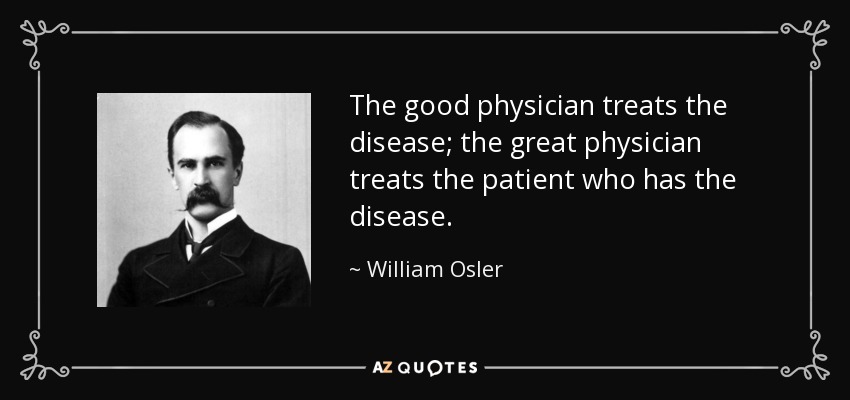
William Osler, a pioneer in modern medicine, understood that true healing goes beyond symptoms. Chopper’s approach to treating his crewmates reflects this wisdom. A great physician—or a great healer—sees the person, not the pathology. How often do we reduce patients to their diagnoses? Osler’s words challenge us to look deeper, to ask not just “What’s wrong?” but “Who is this person, and what do they need?”
The Art of Distraction in Medicine
Voltaire once quipped that the art of medicine lies in amusing the patient while nature heals. Chopper’s playful antics and humor often lighten the mood in tense situations. Laughter, after all, is a powerful medicine. It reduces stress, boosts immunity, and fosters connection. In a field often dominated by seriousness, perhaps we need more Chopper-like joy—reminding us that healing doesn’t always have to be solemn.
Medicine as a Lifelong Journey
Chopper’s evolution from a timid reindeer to a confident doctor mirrors the journey of every medical professional. Medicine isn’t a destination; it’s a continuous learning process. New research, technologies, and patient needs constantly reshape the landscape. Are we, like Chopper, willing to adapt, grow, and embrace the unknown? The best healers never stop evolving.
The Role of Intuition in Diagnosis
Sometimes, the most accurate diagnosis comes not from a textbook, but from intuition. Chopper’s ability to sense what’s wrong with his patients—even when logic fails—highlights the importance of trusting our instincts. In an era of data-driven medicine, we mustn’t forget the value of experience, gut feelings, and that inexplicable “something” that tells us a patient needs extra care.
Medicine and the Power of Community
Healing isn’t a solo endeavor. Chopper’s strength comes from his bonds with the Straw Hat crew, just as physicians thrive in collaborative environments. Medicine is a team sport—doctors, nurses, therapists, and patients all play a role. How can we foster stronger communities in healthcare? Perhaps by remembering that no one heals alone.
The Balance Between Science and Compassion
Chopper’s dual nature—part scientist, part empath—embodies the ideal balance in medicine. Science gives us the tools, but compassion gives us the heart. Striking this balance is no easy feat. Are we, as a medical community, doing enough to nurture both? Or are we losing sight of the human element in our pursuit of precision?
Final Thoughts: What Chopper Teaches Us
Chopper may be a fictional character, but his lessons resonate deeply in the real world of medicine. From the power of empathy to the importance of community, his journey offers a playful yet profound perspective on healing. So, the next time you’re faced with a medical challenge—whether as a patient or a provider—ask yourself: What would Chopper do? The answer might just change everything.
