


In the shadowy corridors of power, where perception bends to the will of those who wield it, truth becomes a malleable thing—a chameleon that shifts with the gaze of the observer. Big Brother, the ever-watchful eye of Orwell’s dystopian masterpiece, and O’Brien, the enigmatic architect of psychological manipulation, understood this truth all too well. Their words are not mere declarations; they are weapons, mirrors, and labyrinths, designed to ensnare the mind and reshape reality. These quotes are not just statements—they are invitations to question, to doubt, and ultimately, to surrender to the illusion of control. Here are ten quotes that reveal the unsettling power of truth when it is bent, broken, and repurposed by those who seek to dominate.
The Illusion of Objective Truth
Truth, in the world of Big Brother, is not a fixed point but a moving target. The Party’s ability to declare 2 + 2 = 5 is not just a mathematical absurdity—it is the ultimate assertion of power. When reality itself can be rewritten, the concept of objective truth becomes a relic of a bygone era. This quote underscores the terrifying fluidity of truth under authoritarian rule, where even the most basic facts are subject to the whims of those in control. It forces us to confront the fragility of our own beliefs and the ease with which they can be dismantled.
The Power of Perception Over Fact
Perception is the currency of power, and Big Brother trades in it relentlessly. The quote, “Reality exists in the human mind, and nowhere else,” is a chilling reminder that truth is not what is, but what is believed to be. This idea flips the script on conventional wisdom, placing the burden of reality on the shoulders of the observer rather than the observed. It suggests that truth is not discovered but constructed—a malleable narrative shaped by those who control the flow of information. In a world where perception is king, the line between fact and fiction blurs into obscurity.
The Art of Psychological Domination

O’Brien’s methods are not about brute force but about the slow, insidious erosion of the self. His assertion that “The object of power is power” reveals the cyclical nature of control—power is not a means to an end but the end itself. This quote strips away the pretense of ideology or morality, exposing power as a self-sustaining entity that feeds on submission. It is a cold, unflinching look at the machinery of domination, where the goal is not justice or truth but the perpetuation of control. The chilling efficiency of this mindset is what makes it so terrifying.
The Fragility of the Human Spirit
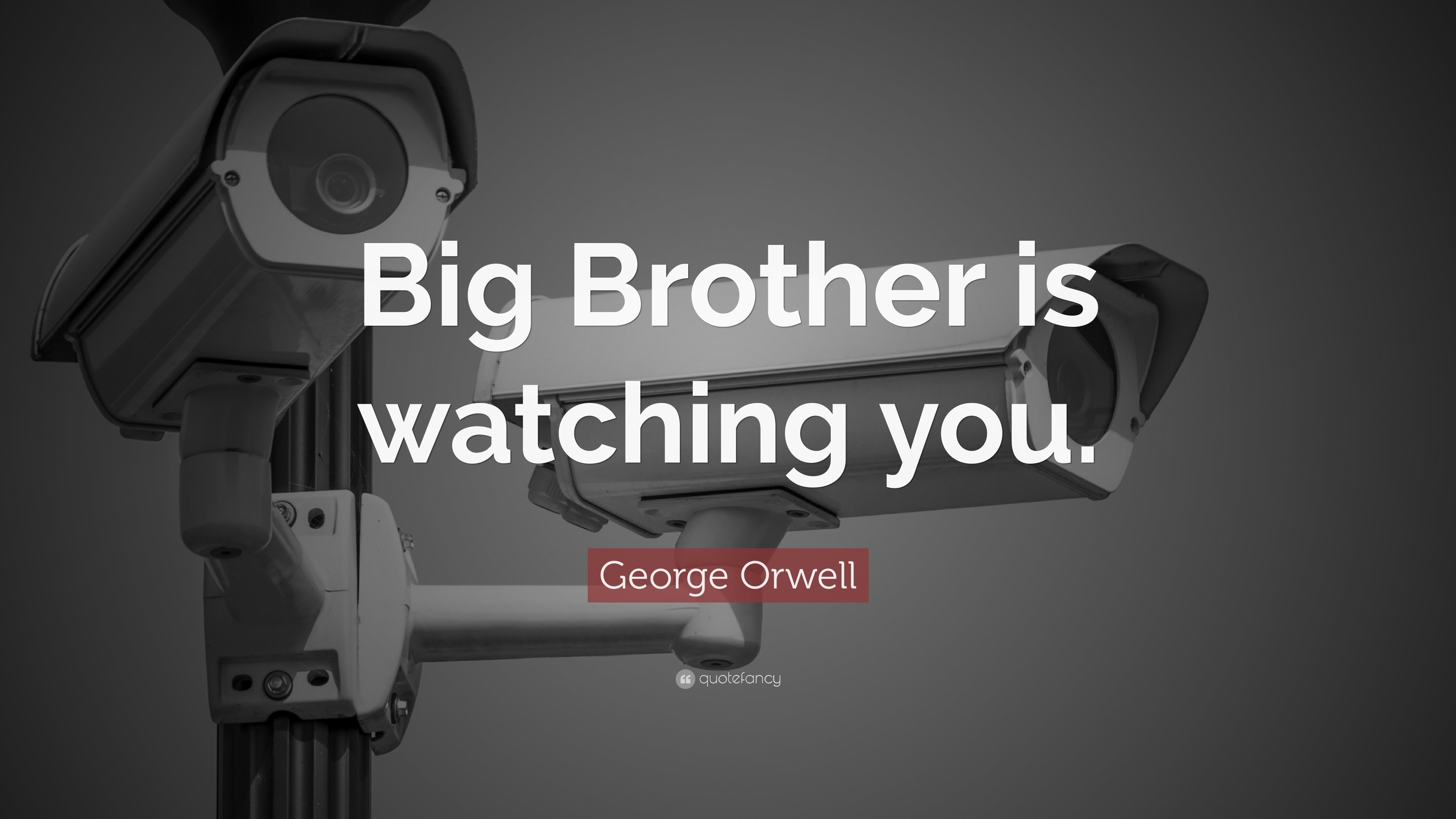
Under the relentless gaze of Big Brother, the human spirit is reduced to a fragile thing, easily crushed by the weight of its own doubts. The quote, “Nothing is your own except the few cubic centimetres inside your skull,” is a haunting reminder of the isolation that comes with living under constant surveillance. It suggests that even our innermost thoughts are not safe, that the Party’s reach extends beyond the physical world into the very fabric of our minds. This idea is a testament to the insidious nature of totalitarianism, where the act of thinking itself becomes an act of rebellion.
The Hypocrisy of the Ruling Class

Those who wield power often do so with a flagrant disregard for the very truths they claim to uphold. The hypocrisy of the ruling class is laid bare in the assertion that “We control matter because we control the mind.” This quote reveals the cynical calculus of power, where control is not about truth but about domination. It exposes the lie that authority is ever justified, that the ends always justify the means. Instead, it presents a world where power is an end in itself, and truth is merely a tool to be wielded or discarded at will.
The Paradox of Free Will
If truth is a construct and perception a weapon, then free will becomes a dangerous illusion. The quote, “Freedom is the freedom to say that two plus two make four,” is a defiant stand against the erasure of individual agency. It suggests that even in the darkest of times, the act of asserting truth—however small—is an act of rebellion. This idea is a beacon of hope in a world where reality is constantly rewritten, a reminder that the human spirit cannot be entirely extinguished, even under the most oppressive regimes.
The Theater of Control
The Party’s control is not just about what is done but how it is presented. The quote, “Nothing exists except through the human mind,” underscores the performative nature of power. Truth is not discovered but staged, a carefully choreographed spectacle designed to reinforce the Party’s narrative. This idea transforms the act of governance into a grand illusion, where the audience is complicit in its own deception. It is a chilling reminder that power thrives in the shadows of our own complicity.
The Cost of Compliance
Compliance is not a passive act but an active surrender of the self. The quote, “The best books, he perceived, were those that told you what you knew already,” reveals the insidious nature of indoctrination. It suggests that the most effective form of control is not through force but through the manipulation of belief. By reinforcing what people already think, the Party ensures that dissent is not just discouraged but unthinkable. This idea is a stark warning about the dangers of echo chambers and the ease with which minds can be colonized.
The Illusion of Resistance
Even resistance is co-opted in the world of Big Brother. The quote, “If you want to keep a secret, you must also hide it from yourself,” highlights the psychological toll of living under constant surveillance. It suggests that the act of hiding a secret is not just about concealment but about self-deception. This idea exposes the insidious nature of internalized control, where the mind becomes its own jailer. It is a chilling reminder that true rebellion begins with the courage to face the truth, even when it is inconvenient.
The Final Paradox: Truth as a Prison
The ultimate irony of Big Brother’s control is that the pursuit of truth becomes a prison. The quote, “In the end the Party would announce that two and two made five, and you would have to believe it,” is a bleak acknowledgment of the power of indoctrination. It suggests that truth is not a destination but a construct, one that can be reshaped at will. This idea forces us to confront the fragility of our own beliefs and the ease with which they can be dismantled. In the end, the most terrifying aspect of Big Brother’s control is not the lies it tells but the truths it erases.
