Dive into the raw, unfiltered philosophy of Nietzsche’s Beyond Good and Evil—a work that dismantles conventional morality and invites you to embrace the untamed forces of existence. Here, power isn’t just a concept; it’s the pulse of life itself. Morality, in this realm, isn’t a set of rules but a dynamic interplay of strength, will, and perspective. These quotes aren’t just words; they’re provocations, designed to shake the foundations of what you’ve been taught about good, evil, and the very nature of power. Prepare to see the world through a lens that’s as unsettling as it is exhilarating.
The Illusion of Absolute Good and Evil

Nietzsche shatters the myth that good and evil exist as fixed, universal truths. Instead, he argues that these concepts are fluid, shaped by those in power. What one culture deems evil, another may celebrate as virtue. This isn’t just philosophical musing—it’s a call to question every moral judgment you’ve ever accepted without scrutiny. The real question isn’t “What is good?” but “Who decides?”
The Will to Power as the Driving Force
Forget survival of the fittest—Nietzsche’s will to power is the essence of existence itself. It’s not about domination over others but the relentless drive to overcome your own limitations, to grow, to create, to assert your presence in the world. This isn’t a license for cruelty; it’s an acknowledgment that life’s meaning is forged in struggle. The weak cling to comfort; the strong embrace the chaos of becoming.
The Master Morality: Strength as Virtue

Master morality isn’t about being “good” in the traditional sense. It’s about excellence, pride, and the unapologetic assertion of one’s own values. The master doesn’t ask for permission to thrive; they take it. This morality isn’t bound by guilt or pity—it’s a celebration of life’s intensity. The weak may call it arrogance, but it’s simply the natural order of those who dare to define their own path.
The Slave Morality: Resentment as a Weapon
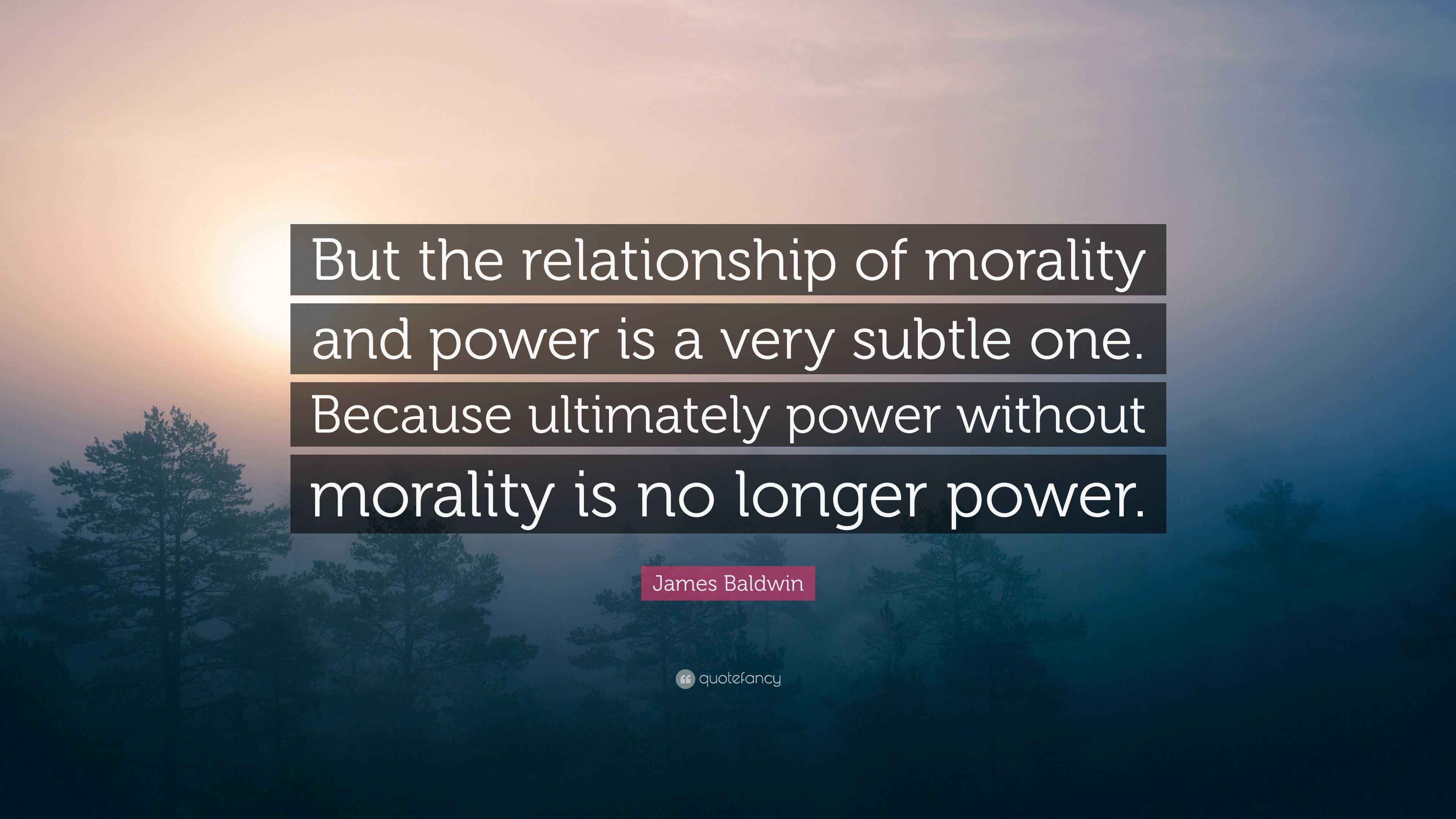
Where the master creates values, the slave reacts. Slave morality isn’t born of strength but of resentment—a twisted inversion of master morality where weakness becomes virtue and power becomes sin. It’s the morality of the oppressed, the meek, the ones who lack the courage to seize their own destiny. Nietzsche doesn’t condemn it outright, but he warns: it’s a cage disguised as salvation.
The Übermensch: The Evolution of Humanity

The Übermensch isn’t a superhuman in the comic-book sense—it’s the next stage of human evolution. This is the individual who transcends the petty moralities of the herd, who creates their own values, and who lives not by external rules but by an internal compass. They are the artists, the innovators, the ones who refuse to be bound by the expectations of others. To become the Übermensch is to embrace the chaos of existence and turn it into something magnificent.