Bart Simpson’s iconic catchphrase, “Eat my shorts,” has echoed through pop culture for decades. It’s more than just a rebellious outburst—it’s a symbol of defiance, humor, and the unfiltered voice of youth. Whether he’s addressing authority figures or just expressing his frustration, Bart’s words resonate because they capture the essence of teenage rebellion in a way few other phrases can. But why does this simple line hold such power? Let’s explore the deeper layers behind Bart’s most famous words and how they’ve become a cultural touchstone.
Bart’s Defiant Battle Cry: “Eat My Shorts”

Bart Simpson’s signature line isn’t just a joke—it’s a declaration of independence. In a world where adults often dismiss kids as powerless, Bart’s defiance is a breath of fresh air. His refusal to back down, even when faced with Principal Skinner or his own parents, makes him a relatable hero for anyone who’s ever felt stifled by rules. The phrase itself is absurdly literal, yet its meaning is clear: Bart won’t be controlled. This rebellious spirit is why the line has endured, becoming a shorthand for standing up to authority in the face of injustice.
The Humor Behind Bart’s Most Famous Line

Humor is at the heart of Bart’s catchphrase. The absurdity of demanding someone “eat shorts” while delivering it with deadpan seriousness is pure comedy gold. It’s the kind of line that works because it’s so ridiculous—yet it sticks in your mind long after you hear it. Bart’s delivery, whether in a classroom or a living room, turns a nonsensical phrase into something memorable. This blend of wit and irreverence is why “Eat my shorts” has transcended *The Simpsons* to become a part of everyday vernacular, used to lighten the mood in frustrating situations.
Bart Simpson’s Catchphrase as a Cultural Phenomenon

Bart’s catchphrase has seeped into the fabric of modern culture, appearing on merchandise, in memes, and even in political discourse. It’s a phrase that transcends generations, appealing to both those who grew up with *The Simpsons* and younger audiences discovering it for the first time. The line’s versatility—whether used in jest or as a genuine expression of frustration—makes it a universal tool for communication. Bart Simpson didn’t just give us a funny phrase; he gave us a way to channel our inner rebel, even if it’s just for a moment.
Why “Eat My Shorts” Resonates with the Everyman

At its core, Bart’s catchphrase speaks to the everyman’s struggle against bureaucracy and adult hypocrisy. Whether it’s a student dealing with a strict teacher or an employee frustrated with office politics, “Eat my shorts” is a rallying cry for the underdog. Bart’s defiance isn’t about chaos for its own sake—it’s about challenging unfair systems and asserting individuality. This relatability is why the phrase has stuck around, evolving from a cartoon quip into a symbol of resistance against arbitrary authority.
The Evolution of Bart’s Iconic Line Over Time
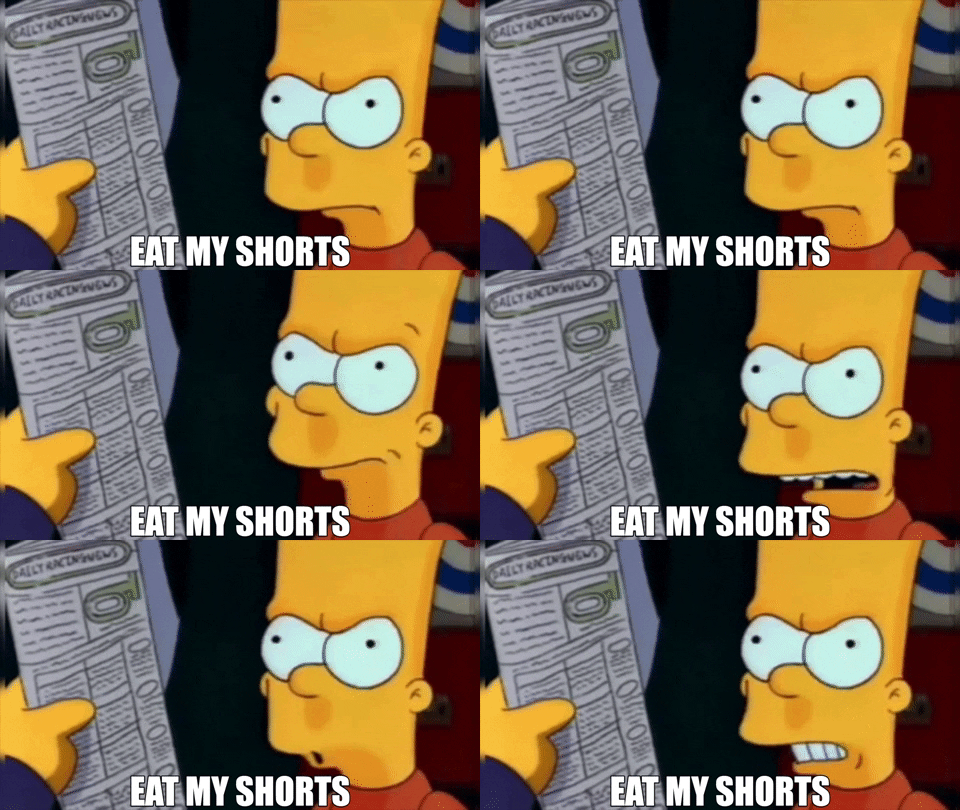
Over the years, Bart’s catchphrase has taken on new meanings and uses, from internet memes to protest slogans. What started as a simple joke in a cartoon has grown into a cultural shorthand for frustration and defiance. Bart Simpson’s “Eat my shorts” is no longer just a line—it’s a phenomenon. Its adaptability ensures that it remains relevant, whether as a humorous retort or a bold statement. Bart may have been a mischievous kid in Springfield, but his words have left a lasting impact on the world beyond the screen.