Have you ever wondered what Leo Tolstoy’s Anna Karenina would say about love and society if it were tweeted in 2024? The novel’s sharp observations on human nature, relationships, and the rigid expectations of high society remain as relevant today as they were in 1877. But what if these timeless truths were distilled into bite-sized quotes, paired with images that scream “Instagram aesthetic”? Let’s dive into 10 quotes from Anna Karenina that challenge our modern notions of love and society—because sometimes, the past holds a mirror up to our present flaws.
Love is a Game of Social Currency

In a world where love is often measured by likes, shares, and public approval, Tolstoy’s critique of societal expectations feels eerily familiar. Anna’s tragic love story isn’t just about passion—it’s about the cost of defying norms. The novel asks: How much of your heart are you willing to sacrifice for the approval of others? Spoiler: The answer isn’t pretty.
Marriage as a Performance

Tolstoy doesn’t just describe marriage—he dissects it as a performance where love is secondary to appearances. Karenin’s cold detachment and Anna’s suffocating role in society highlight how marriage can become a prison of expectations. Today, we might call this “performative love,” where couples post happy photos but whisper about their emptiness in private. The question lingers: Are we any better at authenticity now than in Tolstoy’s time?
The Hypocrisy of High Society

From gossip at tea parties to judgmental glances at the opera, Anna Karenina exposes the performative morality of the elite. Tolstoy’s characters preach virtue while indulging in scandalous affairs, proving that society’s rules are more about control than integrity. Sound familiar? Replace “tea parties” with “LinkedIn posts” and “opera” with “Instagram stories,” and you’ve got a modern-day satire. The more things change, the more they stay the same.
Love as Rebellion
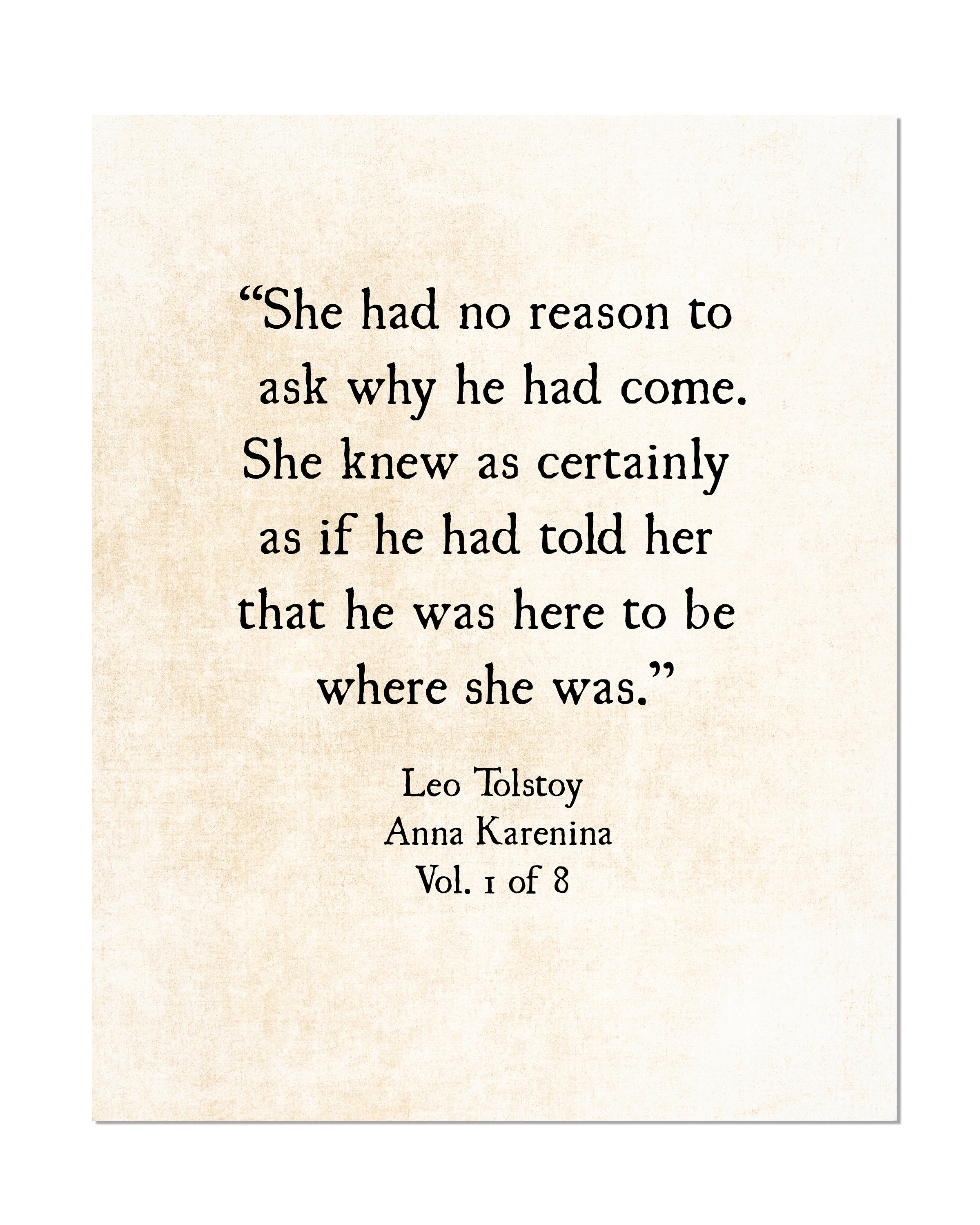
Anna’s love for Vronsky isn’t just a romance—it’s a rebellion against a society that demands obedience. Tolstoy frames her passion as both liberating and destructive, a paradox that still defines modern relationships. We celebrate love as freedom, yet we punish those who dare to choose it over convention. How many of us would have the courage to defy expectations for love, knowing the cost? Anna’s story forces us to confront our own cowardice.
The Illusion of Happiness

Tolstoy doesn’t just warn about the dangers of passion—he questions whether happiness is even possible within societal constraints. Anna’s despair isn’t just about lost love; it’s about the crushing weight of a world that offers no real freedom. Today, we chase happiness through self-help books, luxury purchases, and curated social media lives, yet the emptiness remains. Are we truly happier, or just better at pretending?
The Double Standards of Love
Vronsky can have affairs without consequence, but Anna is destroyed for the same behavior. Tolstoy’s double standards aren’t just historical—they’re alive and well in modern dating culture. Men are praised for sexual freedom, while women are labeled “high-maintenance” or “difficult” for the same desires. The more things change, the more they stay the same. When will we stop measuring love by gender?
Society’s Obsession with Scandal
From Anna’s affair to Levin’s struggles with faith, Anna Karenina thrives on scandal. Tolstoy exposes how society feeds on drama, turning personal pain into public entertainment. Today, we’ve replaced gossip columns with Twitter threads and reality TV. The only difference? Now, we’re all complicit. How many of us have scrolled through a celebrity breakup or a friend’s drama, only to realize we’re part of the machine?
The Cost of Conformity
Kitty’s journey from naive girl to disillusioned woman highlights the stifling expectations placed on women. Tolstoy frames conformity as a slow death, where individuality is sacrificed for societal approval. Sound like any modern career paths or relationship choices? The pressure to “fit in” hasn’t disappeared—it’s just dressed up in different clothes. Are we really free, or are we all just wearing the same mask?
Love as a Mirror to Society’s Flaws
Tolstoy’s genius lies in using love stories to expose society’s deepest contradictions. Anna and Levin’s relationships aren’t just personal—they’re political. They reveal how love is shaped by power, class, and gender. Today, we might call this “toxic relationships” or “systemic oppression,” but the core issue remains: Love doesn’t exist in a vacuum. It’s a product of the world we live in. So, the next time you fall in love, ask yourself—is this really you, or just society’s script?
Anna Karenina’s story isn’t just a relic of the past—it’s a warning. A challenge to question the love stories we’re told, the relationships we idolize, and the society we blindly follow. Tolstoy’s words remind us that love and society are deeply intertwined, and true freedom might just require burning the script entirely.