


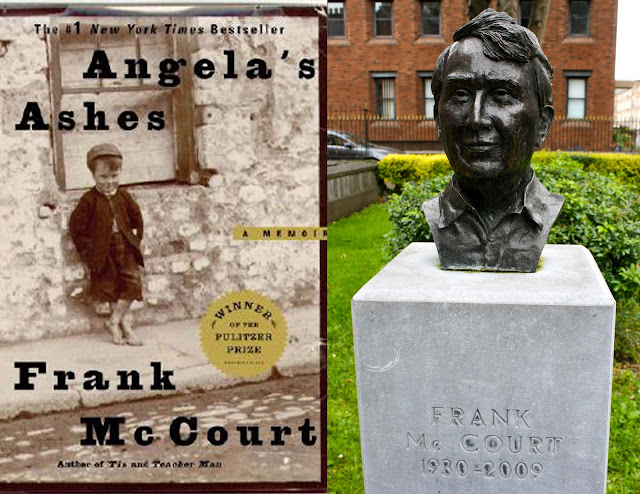
Frank McCourt’s Angela’s Ashes is a poignant yet darkly humorous memoir that paints a vivid picture of Irish childhood in the early 20th century. Set in Limerick, the book captures the struggles of poverty, family dynamics, and the resilience of a young boy navigating life’s hardships with wit and charm. McCourt’s storytelling blends heartbreaking moments with sharp, often hilarious observations, making the narrative both relatable and unforgettable. Below are 10 quotes from the book that highlight the essence of Irish childhood and the humor that kept McCourt and his family going.
The Bittersweet Reality of Poverty

McCourt’s descriptions of poverty are stark but laced with humor that softens the blow. One of the most memorable lines is, “When I look back on my childhood I wonder how I survived at all. It was, of course, a miserable childhood: the happy childhood is hardly worth your while.” This quote encapsulates the paradox of his upbringing—full of hardship yet rich in lessons and laughter that shaped his character.
The Power of Humor in Hardship
Humor becomes a survival tool in McCourt’s world, and he doesn’t shy away from sharing the lighter side of his struggles. He writes, “You might be poor, your shoes might be broken, but your mind is a treasure.” This line reflects how McCourt and his family used wit and imagination to cope with their circumstances, turning even the bleakest situations into moments of levity.
Family Dynamics and Sibling Rivalry

The McCourt family’s dynamics are a mix of love, frustration, and humor. Frank observes, “My brothers and sisters and I were malnourished but we were not starving. We were always hungry, though, and there was never enough food in the house.” This quote highlights the constant battle for food while also hinting at the unbreakable bond between siblings, even in the face of adversity.
The Role of Religion in Everyday Life
Religion plays a significant role in the McCourt household, often serving as both a source of comfort and frustration. Frank recalls, “The master says it’s a glorious thing to die for the Faith and Dad says it’s a glorious thing to have tea in the morning.” This humorous contrast between spiritual devotion and simple pleasures underscores the contradictions in his upbringing.
The Struggle for Education

Education is a recurring theme in McCourt’s memoir, often intertwined with humor. He writes, “I’m not going to school today, Angela. I have a pain in me arse.” This line, delivered with typical Irish bluntness, captures the universal childhood tactic of avoiding school while also reflecting the harsh realities of his environment.
The Importance of Community
McCourt’s community in Limerick is a mix of neighbors, teachers, and local characters who shape his experiences. He notes, “People everywhere brag and whimper about the woes of their early years, but nothing can compare with the Irish version.” This observation highlights the communal aspect of storytelling in Irish culture, where shared hardships and humor bind people together.
The Humor in Everyday Struggles
From dodging school to outsmarting authority figures, McCourt’s childhood is filled with small victories that bring laughter. He recounts, “I’d like to tell you that I was a model child, but I wasn’t. I was a bad boy, and I knew it.” This self-aware humor makes his struggles more endearing and relatable, reminding readers that even in tough times, there’s room for laughter.
The Contrast Between Hope and Despair
McCourt’s narrative oscillates between despair and hope, often finding humor in the latter. He writes, “When I look back on all the worry, I remember the story of the old Irishman who said he’d never have a nervous breakdown because his entire life had been one.” This quote beautifully captures the Irish spirit of resilience, where humor becomes a shield against life’s harshest blows.
The Legacy of Childhood Memories
Ultimately, Angela’s Ashes is a testament to the enduring power of childhood memories. McCourt reflects, “I know that I’ll never be the same again, but I also know that I’ll never forget the lessons I learned.” This closing thought underscores how humor and hardship intertwine to shape a person’s identity, leaving an indelible mark on their soul.
