Memory and crime intertwine in Alias Grace like threads in a tangled web, each pulling the reader deeper into a story that questions truth, perception, and the stories we tell ourselves. Margaret Atwood’s novel, inspired by the true story of Grace Marks—a 19th-century Canadian maid convicted of murder—weaves a narrative that blurs the lines between fact and fiction. Through Grace’s recollections and the shifting accounts of those around her, Atwood explores how memory shapes our understanding of crime, guilt, and redemption. These quotes from the novel capture the haunting interplay between past and present, revealing how our minds reconstruct events in ways that both reveal and conceal the truth.
Memory as a Fragile Witness
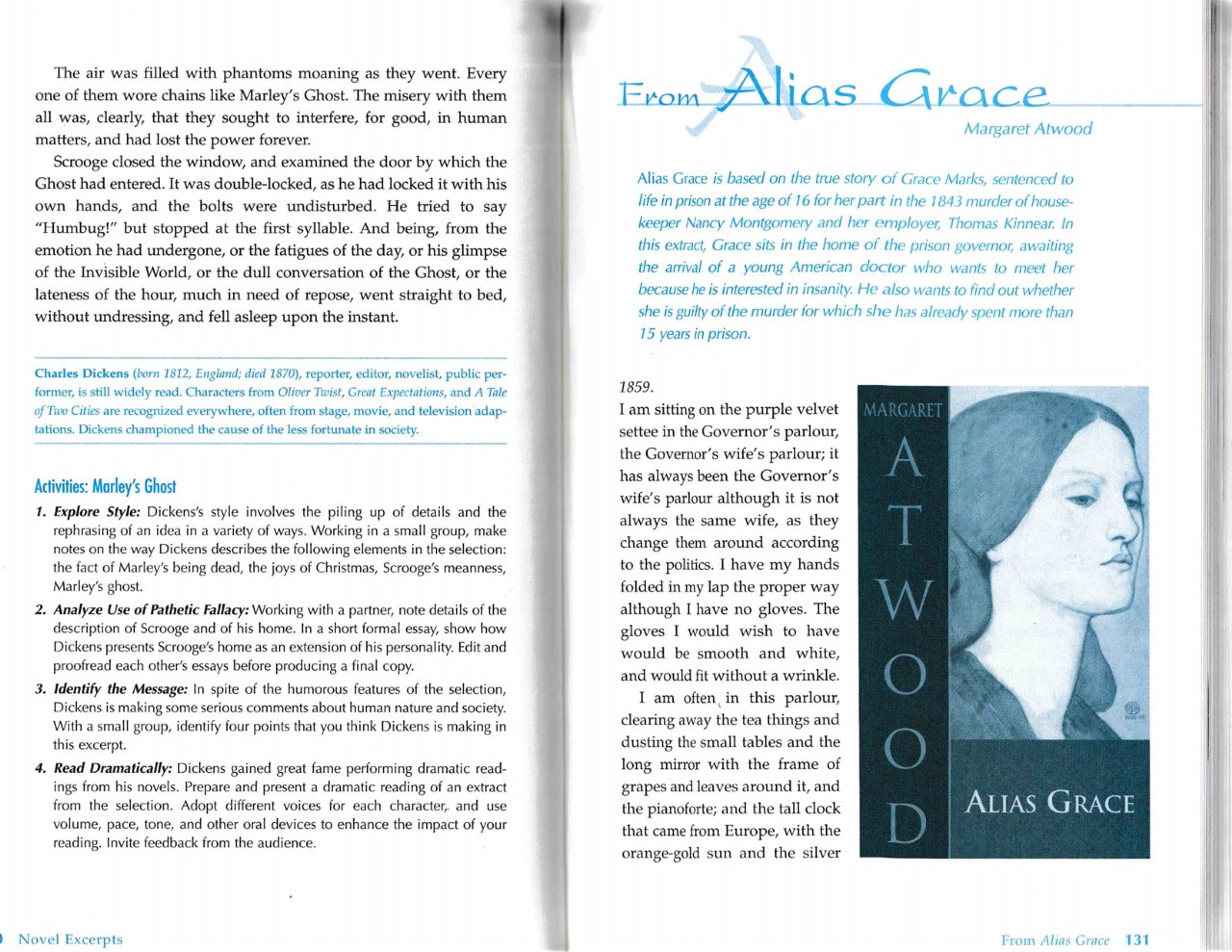
Grace’s fragmented memories serve as the novel’s foundation, but they are unreliable, shifting with each retelling. Atwood reminds us that memory is not a fixed record but a living, evolving narrative shaped by fear, trauma, and the passage of time. One poignant moment captures this fragility: “I remember things that never happened, and I forget things that did.” This line underscores how memory can distort reality, leaving us to question what we think we know—and whether Grace is a victim, a criminal, or something in between.
The Weight of a Name

The title itself—Alias Grace—hints at the duality of identity and the masks we wear to survive. Grace Marks is not just a name but a construct, a label imposed by others to fit a narrative of guilt or innocence. Atwood writes, “They say I must be a bad woman, but I am not.” This defiant declaration challenges the reader to look beyond the surface, to consider how society’s labels shape our perceptions of crime and morality. Is Grace a murderer, a victim, or a woman trapped in a story written by others?
The Crime of Forgetting

Crime, in Atwood’s world, is not just an act but a failure of memory—both personal and collective. Grace’s inability to recall key moments of the murders she’s accused of committing forces us to confront the gaps in our own understanding. “I have no memory of it at all,” she admits, leaving the reader to wonder: Is this a lie, a coping mechanism, or a truth too painful to face? Atwood suggests that crime, like memory, is often a puzzle missing its most crucial pieces.
The Power of a Second Chance

Grace’s story is one of second chances, or at least the illusion of them. The novel’s structure—alternating between Grace’s first-person narration and third-person accounts—mirrors the way justice itself is often a performance. Atwood writes, “I am not a bad woman, but I am a woman who has done bad things.” This admission complicates the binary of good and evil, forcing us to ask: Can someone be both a criminal and a victim? And if memory is unreliable, how can we ever truly know?
The Ghosts of the Past

The past, in Alias Grace, is not a distant memory but an active presence, haunting Grace and the reader alike. Atwood’s prose lingers on the echoes of trauma, the way unresolved crimes fester in the minds of those left behind. “The past is a foreign country; they do things differently there,” she muses, but in Grace’s case, the past is not a place to visit—it’s a prison. The novel’s exploration of memory and crime leaves us questioning: Are we doomed to repeat the mistakes of the past, or can we rewrite our stories before they harden into truth?