We all carry the weight of past mistakes, moments we wish we could undo or decisions we regret. But what if holding onto those regrets only steals joy from your present? Forgiveness—especially self-forgiveness—isn’t about excusing what happened. It’s about freeing yourself from the chains of “what if” and embracing the power of “what’s next.” These 10 quotes aren’t just words; they’re gentle nudges to shift your perspective and reclaim your peace.
You Are Not Defined by Your Past Mistakes

Every stumble is a lesson in disguise, and every regret is a stepping stone toward growth. Your past self made choices with the knowledge you had then—not the wisdom you carry now. When you forgive your past self, you acknowledge that growth is a journey, not a destination. The person you are today is stronger because of those lessons, not in spite of them.
Forgiveness Is a Gift You Give Yourself
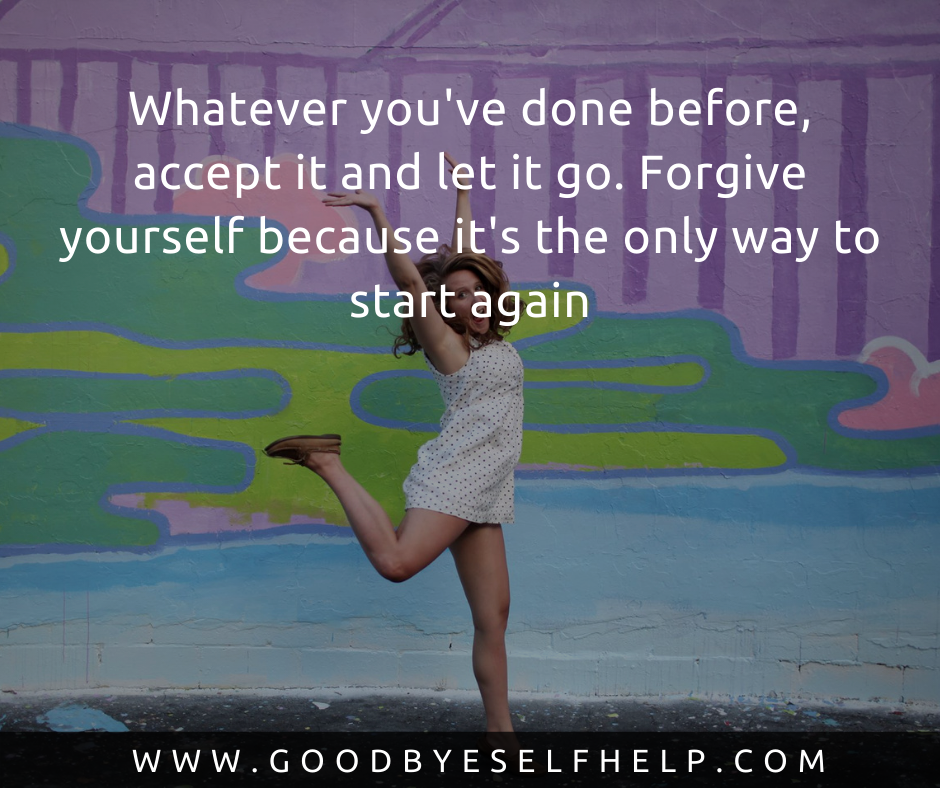
Holding onto guilt is like drinking poison and expecting someone else to suffer. The only person who feels the weight of your regrets is you. Forgiveness isn’t about letting others off the hook—it’s about releasing the burden that’s been weighing you down. When you choose to forgive, you gift yourself freedom, clarity, and the space to live fully in the present.
Your Past Does Not Dictate Your Future
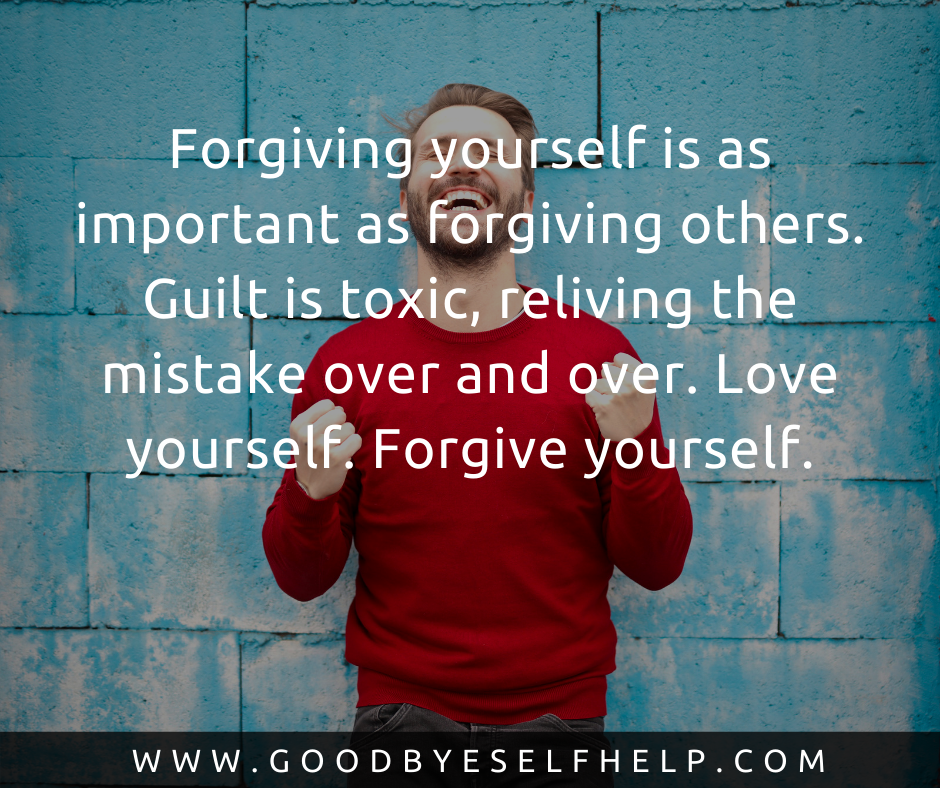
Regret often whispers that your mistakes are permanent, but time and again, life proves that change is the only constant. The future isn’t a replay of the past—it’s a blank canvas waiting for your next bold stroke. Forgiving your past self isn’t about erasing history; it’s about trusting that you have the power to create a different story moving forward.
Self-Compassion Is the First Step to Healing

Beating yourself up for past errors only deepens the wound. What if, instead, you spoke to yourself with the same kindness you’d offer a dear friend? Healing begins when you treat your mistakes as teachers rather than tyrants. Self-compassion isn’t weakness—it’s the courage to acknowledge your humanity and choose growth over shame.
Let Go of What You Can’t Change

There’s a quiet strength in accepting that some things are beyond your control. Clinging to “if only” keeps you stuck in a cycle of frustration. Forgiveness isn’t about approval—it’s about peace. When you release what you can’t change, you make room for what you can: a future built on resilience, not regret.
You Deserve the Same Grace You Give Others
It’s easy to extend compassion to others but withhold it from yourself. Yet, if you believe in second chances for those you love, why not for yourself? You are worthy of the same forgiveness you so freely offer. Extending grace to your past self isn’t a sign of weakness—it’s a testament to your strength and capacity for love.
Mistakes Are Proof You’re Trying
If you never made a misstep, you’d never know what truly matters to you. Mistakes are not failures—they’re evidence of courage, effort, and growth. Every error is a data point in your journey, guiding you toward better choices. Forgiving your past self honors the effort you’ve put in, even when the outcome wasn’t perfect.
Your Journey Is Unique—Comparison Steals Joy
Scrolling through others’ highlight reels can make your past feel like a burden. But your path is yours alone, with its own twists, turns, and lessons. Comparing your chapter 3 to someone else’s chapter 20 only dims your light. Forgiveness begins when you stop measuring your journey against someone else’s and start embracing your own pace.
Forgiveness Is the Key to Unlocking Joy
Joy isn’t found in a perfect past—it’s discovered in the present moment, once you release the past’s grip. Forgiveness isn’t a one-time event; it’s a daily practice of choosing peace over pain. When you let go of what no longer serves you, you make space for gratitude, hope, and the simple beauty of today.
Your Past Does Not Define Your Worth
Worth isn’t earned through perfection—it’s inherent. Your past mistakes don’t diminish your value; they’re part of the story that makes you who you are. Forgiving your past self is an act of self-respect, a declaration that your worth isn’t up for debate. You are enough, not despite your past, but because of the resilience it’s built in you.