Ever found yourself in a situation where you *could* step in to help a stranger—but hesitated? Maybe you worried about overstepping, or perhaps the moment passed before you could react. What if we told you that the right words—spoken by the right people—could flip that hesitation into action? These 10 quotes aren’t just pretty phrases; they’re your secret weapon to summoning courage when it matters most. So, are you ready to turn “should I?” into “I will”?
Defend with Wisdom: Russell Simmons on Unity
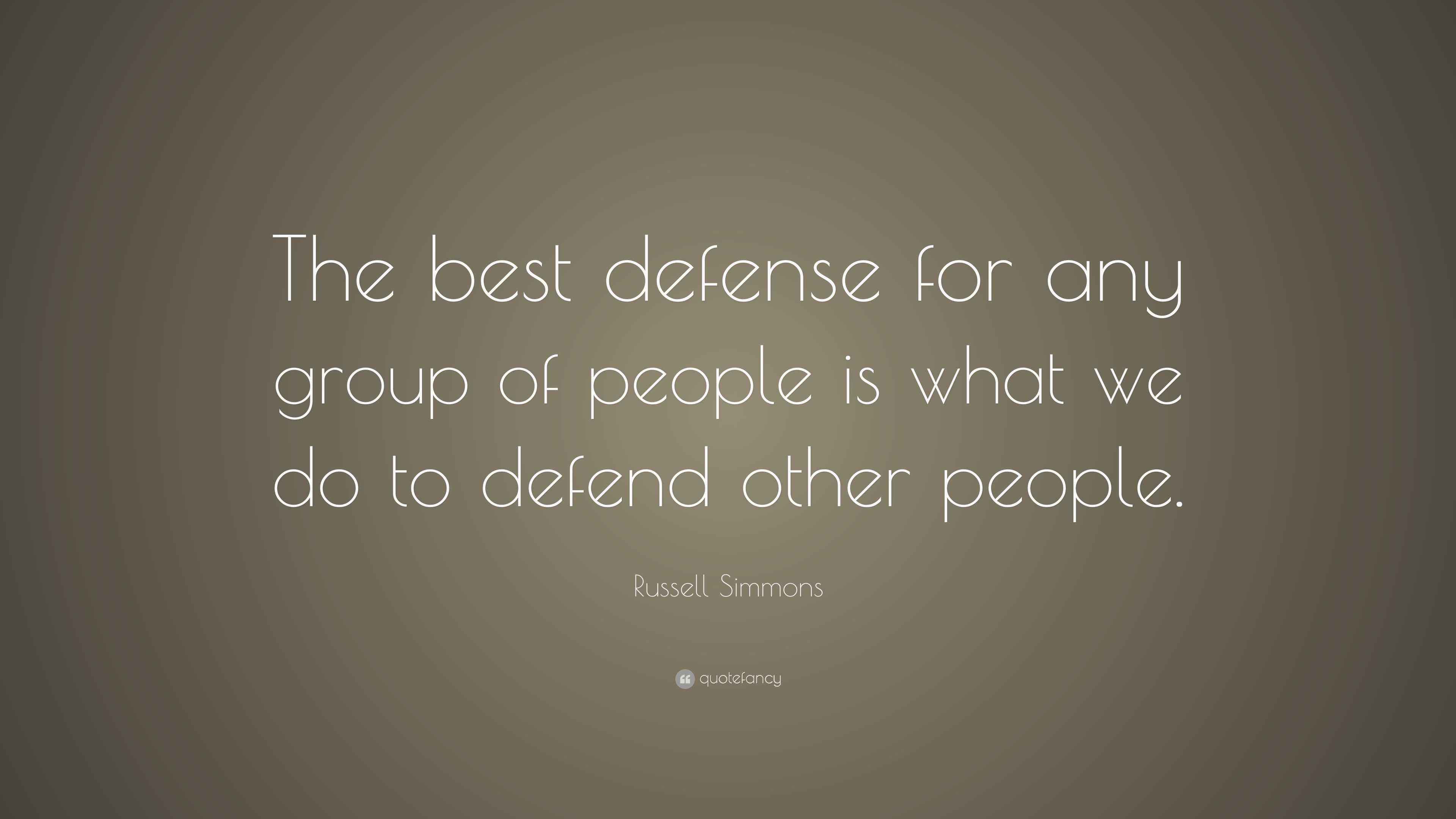
Russell Simmons reminds us that defense isn’t about aggression—it’s about unity. When you see someone in need, remember: standing together is stronger than standing alone. Your presence alone can deter harm and offer silent support to someone who feels vulnerable. Next time you witness injustice, channel this wisdom: your solidarity is a shield.
Boundaries with Grace: John Marsden on Protection
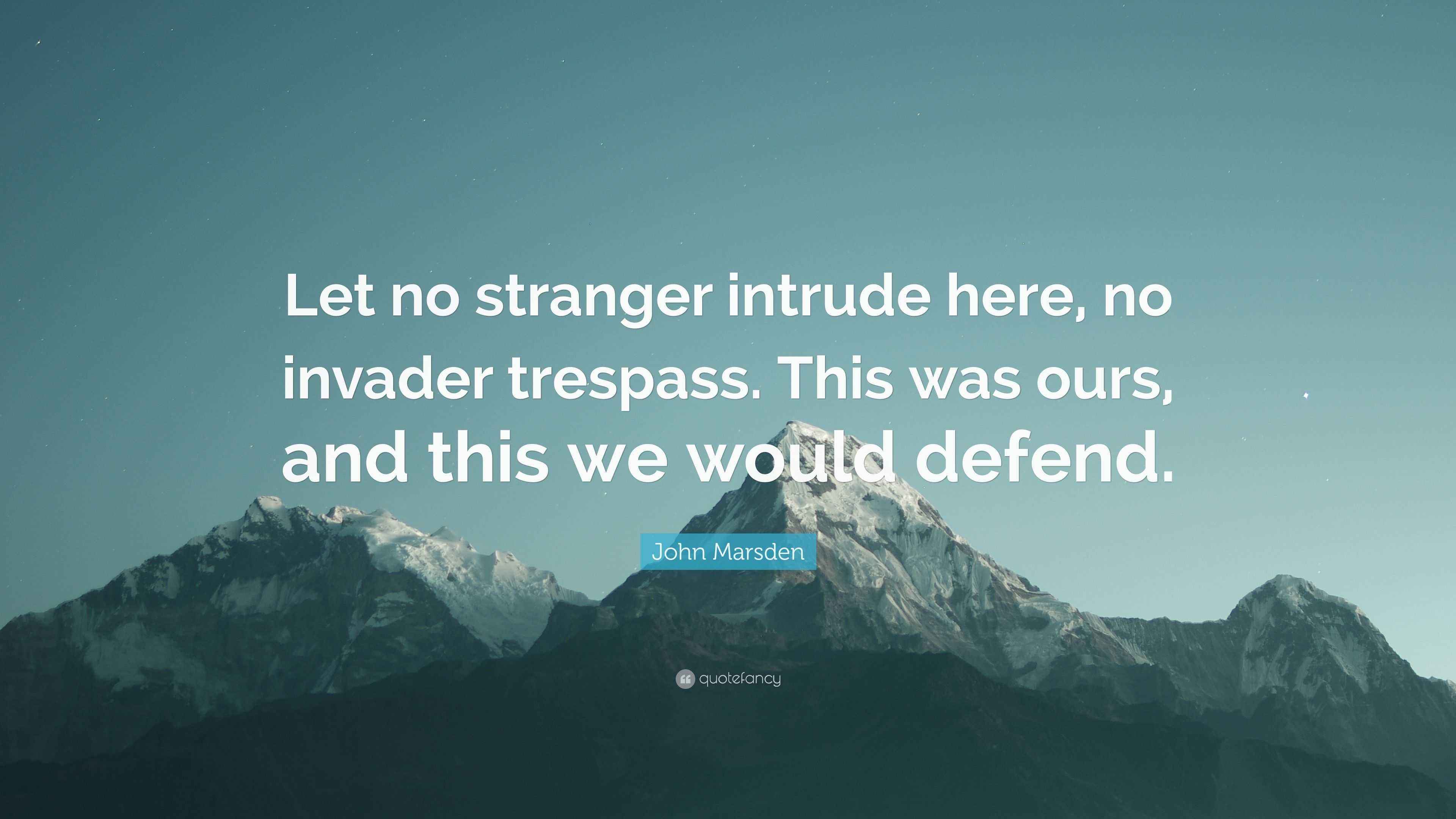
John Marsden’s words aren’t just poetic—they’re a call to protect what’s sacred. But protection doesn’t have to mean exclusion. It can mean creating a safe space for someone fleeing danger, offering a listening ear, or simply being a visible presence. The next time you see someone in distress, ask yourself: could you be the “no invader” they need?
Self-Reliance as a Shield: The Power of Preparedness
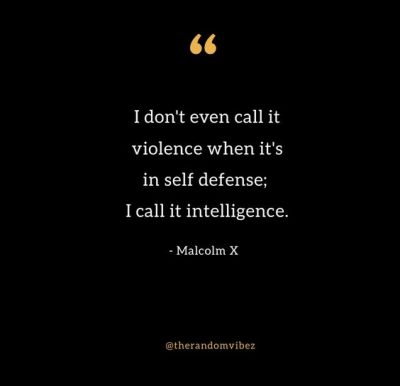
Self-defense isn’t just about physical strength—it’s about confidence. When you’re prepared, you radiate a quiet assurance that deters potential threats. But preparation also means knowing when to step in to help others. Whether it’s carrying a whistle, learning basic self-defense, or simply trusting your instincts, these small steps can make you the unexpected hero in someone else’s story.
Silent Strength: The Unspoken Power of Presence

Sometimes, the bravest thing you can do is stand there—not with fists raised, but with unwavering calm. Your mere presence can shift the energy of a tense situation. A steady gaze, a firm stance, or even a well-timed question like, “Is everything okay here?” can de-escalate conflict before it begins. Remember: strength isn’t always loud; sometimes, it’s the quiet refusal to look away.
Collective Courage: When Groups Stand Together
There’s a reason mobs are intimidating—because they’re united. But what if that unity was used for good? When a group of strangers bands together, bullies and aggressors often back down. Next time you see someone being harassed, rally others. A simple, “Hey, is everything okay?” from a bystander can embolden others to join in. Courage is contagious when shared.
Words as Weapons: How Language Can Defend
Your voice is mightier than you think. A well-placed phrase can disarm a tense situation before it turns physical. Try, “I think you might want to step back,” or “This isn’t the place for this conversation.” Even humor can defuse aggression. The right words don’t just defend—they redirect conflict into dialogue, giving everyone a chance to walk away safely.
Empathy as Armor: Seeing Beyond the Surface
Not all threats are obvious. Sometimes, the person who needs defending is the one being ignored—a homeless individual, a child being scolded harshly, or an elderly person struggling to cross the street. Empathy is your armor here. Ask yourself: who in your path might need your silent support today? A kind word or a helping hand can be the difference between isolation and safety.
Trusting Your Gut: The Sixth Sense of Defense
Your intuition is rarely wrong. If a situation feels “off,” it probably is. Trusting that gut feeling is the first step to acting. Whether it’s crossing the street to avoid a potential altercation or stepping between someone and a looming threat, your instincts are your early warning system. Listen to them—they’re often louder than the voice in your head.
The Ripple Effect: How One Act Inspires Another
Ever noticed how one person helping another often sparks a chain reaction? Your decision to defend a stranger could inspire others to do the same. Whether it’s breaking the “bystander effect” or simply modeling bravery, your actions have a domino effect. So the next time you hesitate, remember: you’re not just helping one person—you’re potentially changing the dynamics of an entire situation.
Defending with Dignity: Respect in Every Action
Defense doesn’t mean domination. It means ensuring safety without stripping someone of their dignity. Whether you’re intervening in a verbal dispute or shielding someone from harm, always aim to preserve their autonomy. A respectful approach—like asking, “Do you need help?”—goes further than force ever could. True defense uplifts, rather than diminishes.