Phil Jackson, the legendary NBA coach, is as famous for his championship rings as he is for his philosophical approach to the game. His leadership style blends the discipline of Zen Buddhism with the relentless pursuit of victory, creating a unique philosophy that transcends sports. Jackson’s words resonate far beyond the basketball court, offering insights into teamwork, mindfulness, and the art of winning. Here are 10 of his most profound quotes that marry Zen wisdom with the pursuit of excellence.
“The strength of the team is each individual member. The strength of each member is the team.”
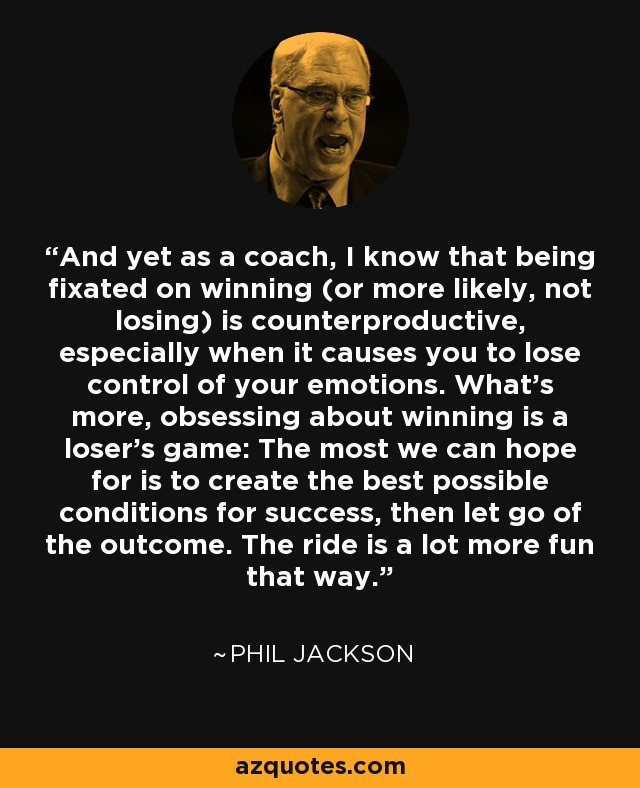
This quote underscores the core of Jackson’s leadership philosophy. He believed that individual talent is meaningless without the collective effort of the team. By fostering an environment where players trust and rely on one another, he created dynasties that dominated the NBA. The lesson here is clear: success is not about individual glory but about how well a group can synchronize their strengths toward a common goal.
“Winning is about moving into the unknown and creating something new.”

Jackson often spoke about the importance of innovation and adaptability in winning. He encouraged his teams to embrace uncertainty rather than fear it, seeing challenges as opportunities to grow. This mindset shift—from avoiding failure to seeking growth—is a hallmark of both Zen philosophy and high-performance culture. It’s a reminder that complacency is the enemy of progress.
“Good teams become great ones when the members trust each other enough to surrender the ‘Me’ for the ‘We.’”
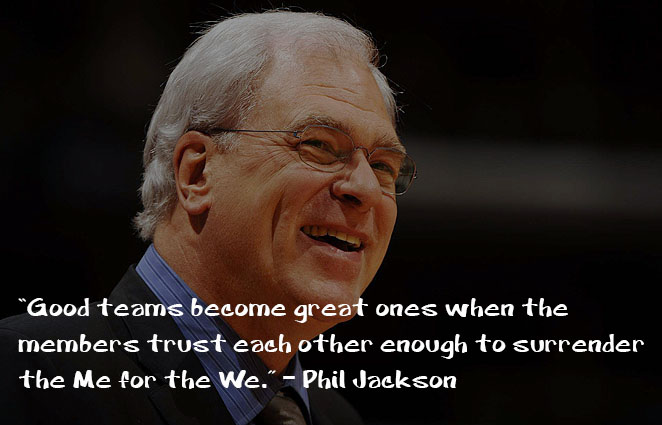
This quote captures the essence of Jackson’s coaching genius. He understood that ego is the biggest obstacle to team success. By prioritizing the collective over personal accolades, teams can achieve extraordinary feats. The Zen concept of non-attachment aligns perfectly with this idea—letting go of individual desires to serve a greater purpose.
“The moment you give up, you’re dead already.”

Persistence is a recurring theme in Jackson’s teachings. He viewed surrender as the ultimate failure, not just in sports but in life. This mindset aligns with Zen principles, where discipline and endurance are key to overcoming obstacles. Whether facing a tough opponent or a personal challenge, Jackson’s words remind us that giving up is not an option.
“The best teams balance selflessness and ego.”

Jackson believed that the ideal team dynamic requires both humility and confidence. Players must be willing to put the team first while still bringing their unique strengths to the table. This balance is what separates good teams from great ones. It’s a lesson in emotional intelligence—knowing when to lead and when to follow.
“Basketball is a game of habits, and habits are the foundation of success.”
Jackson’s emphasis on habits reflects his deep understanding of human behavior. He knew that success is built on consistent, deliberate actions rather than sporadic bursts of effort. This principle is rooted in Zen mindfulness, where presence and repetition cultivate mastery. Whether in sports or life, small, daily practices compound into extraordinary results.
“The secret to winning is constant, consistent improvement.”
Jackson’s focus on incremental progress over overnight success is a refreshing take on achievement. He believed that true winning comes from a commitment to lifelong learning and refinement. This aligns with Zen’s emphasis on the journey rather than the destination. It’s a reminder that excellence is not a one-time event but a continuous process.
“Leadership is not about being in charge. It’s about taking care of those in your charge.”
This quote redefines leadership, shifting the focus from authority to service. Jackson’s approach was rooted in empathy and support, ensuring that every player felt valued and empowered. This philosophy mirrors Zen teachings on compassion and interconnectedness. Great leaders, like great teams, thrive when they prioritize the well-being of others.
“The more you can be in the present moment, the more you can create.”
Jackson often spoke about the power of being fully present, a cornerstone of Zen practice. He believed that creativity and innovation flourish when the mind is free from distractions. This idea applies to all areas of life—whether playing a sport, solving a problem, or making a decision. Presence unlocks potential.
“The ultimate teamwork happens when each person is doing what’s best for himself AND the group.”
This final quote encapsulates Jackson’s holistic view of teamwork. He understood that the best outcomes happen when personal ambition aligns with collective goals. It’s a delicate balance—one that requires self-awareness, trust, and mutual respect. Jackson’s wisdom teaches us that true success is not a zero-sum game but a shared victory.