Otis Redding’s voice wasn’t just heard—it was felt. With a rasp that could shatter glass and a soul that could mend it, he turned words into living, breathing emotions. His lyrics weren’t just sung; they were lived, bled, and exhaled in a way that made every listener feel like they were standing on a dock at sunset, watching the world move without them. Otis didn’t just sing about love, pain, or longing—he made those feelings tangible, wrapping them in metaphors so vivid they could cut through the noise of everyday life. Here are 10 quotes from the King of Soul that are as raw as they are poetic, each one a masterclass in emotional resonance.
The Dock of the Bay: Where Time Stands Still
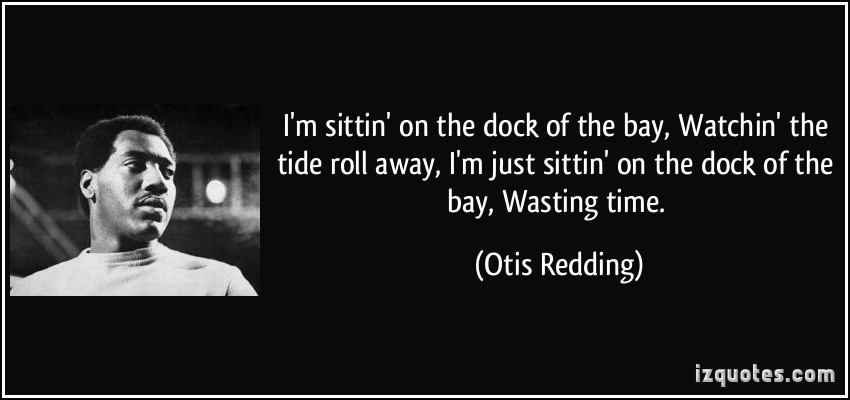

“I’m sittin’ on the dock of the bay, watchin’ the tide roll away.” These words aren’t just the opening lines of a song—they’re an invitation to pause. The dock becomes a metaphor for life’s pauses, those moments where time seems to hold its breath. Otis isn’t just watching the tide; he’s watching his own life ebb and flow, acknowledging the inevitability of change while clinging to the stillness of the present. It’s a quiet rebellion against the rush, a reminder that sometimes, the most profound wisdom comes from simply sitting still.
The Fire That Burns Without Consuming

“I love you like a fire loves the oxygen it breathes.” Love, to Otis, isn’t a gentle breeze—it’s a wildfire, consuming and uncontrollable. The metaphor is striking because it flips the script on romantic clichés. Fire doesn’t ask for permission; it takes what it needs and leaves destruction in its wake. Yet, there’s a raw beauty in that intensity, a truth about love that’s often left unsaid: it’s not always safe, but it’s always real. This quote doesn’t just describe love; it embodies it, making the listener feel the heat and the danger of such a profound emotion.
The Ship That Never Reaches Shore

“Sailing down the river of my soul, but the river don’t go where I want it to.” The river here isn’t just a body of water—it’s a metaphor for the journey of the soul, a path that seems predetermined yet feels endless. Otis captures the frustration of wanting to steer your own life but feeling at the mercy of currents beyond your control. The image of a ship adrift on a river is hauntingly beautiful, a visual representation of the human condition: always moving, never quite arriving. It’s a quote that resonates with anyone who’s ever felt stuck, yet finds solace in the rhythm of the struggle.
The Mirror That Reflects What Isn’t There

“I see my reflection in the mirror, but it’s not really me.” This line is a masterstroke of existential poetry. The mirror, a symbol of self-awareness, becomes a trickster, showing a version of oneself that isn’t true. It’s a metaphor for the masks we wear, the personas we adopt to navigate the world. Otis doesn’t just sing about identity; he dissects it, exposing the fragility of who we present to the world versus who we truly are. The quote lingers like a shadow, a reminder that sometimes, the most honest reflection is the one we can’t see.
The Storm That Clears the Sky

“Sometimes I get a good feelin’ like I’m gonna lose my mind, but then the storm clears, and the sun shines through.” The storm here isn’t just a weather phenomenon—it’s a metaphor for emotional turmoil, the kind that feels like it might swallow you whole. Yet, Otis finds hope in the aftermath, the way storms clear the air and leave the world bathed in light. It’s a testament to resilience, the idea that even the darkest moments are temporary. The quote doesn’t just describe a feeling; it offers a lifeline, a promise that clarity will return.
The Garden That Grows in Silence
“You don’t miss your water till your well runs dry.” The well, a symbol of sustenance and life, becomes a metaphor for the things we take for granted. It’s a quote that hits like a gut punch, a reminder that we often don’t appreciate what we have until it’s gone. The simplicity of the metaphor makes it powerful—water is essential, and so are the people, places, and things that nourish us. Otis doesn’t preach; he observes, and in that observation, he captures a universal truth about human nature.
The Shadow That Walks Beside You
“I’ve got a shadow that follows me wherever I go, and it’s always there to remind me of the past.” The shadow isn’t just a dark reflection—it’s a companion, a silent witness to every step taken. Otis turns a simple metaphor into something deeply personal, something that feels like a weight on the shoulders. It’s a quote about memory, about the past that clings to us like a shadow, shaping who we are even as we try to move forward. The beauty of it lies in the acceptance, the idea that some things are meant to follow us, for better or worse.
The Bridge That Connects What Was and What Is
“I’m building a bridge to the other side, but I don’t know what’s on the other side.” The bridge here is a metaphor for transition, for the unknown paths we choose to walk. It’s a quote that captures the fear and excitement of change, the way we build connections to the future even when we can’t see what lies ahead. Otis doesn’t offer answers; he offers a journey, one that’s as uncertain as it is inevitable. The beauty of the metaphor is in its honesty—sometimes, the only way forward is to build the bridge as you walk it.
The Echo That Never Fades
“My music will be an echo in the hearts of those who listen.” The echo isn’t just a sound—it’s a legacy, a presence that lingers long after the song ends. Otis transforms his art into something eternal, a force that doesn’t just touch the ears but resonates in the soul. The metaphor is profound because it flips the script on fame; it’s not about being remembered, but about becoming a part of someone else’s journey. It’s a quote that feels like a blessing, a promise that the music will outlive the man.
The Light That Guides Through the Dark
“When the world is dark, I’ll be your light.” The light here isn’t just illumination—it’s hope, a beacon in the storm. Otis’s metaphor is simple yet powerful, a reminder that even in the darkest times, there’s a way forward. The quote doesn’t just describe a role; it embodies it, making the listener feel seen and understood. It’s a promise wrapped in poetry, a vow to be the steady hand in a world that often feels unsteady.