Miles Davis wasn’t just a musician—he was a philosopher of sound, a master of reinvention, and a man who understood the power of silence as much as the power of a single note. His words cut deeper than his trumpet ever did, revealing layers of wisdom that challenge convention, embrace ambiguity, and demand a shift in how we see the world. Whether you’re a musician, an artist, or simply someone searching for a fresh lens on life, Davis’s quotes are like unexpected chords in a familiar song: they rearrange your thinking and leave you wondering what else you’ve been missing. Here are ten of his most provocative statements, each paired with an image that captures the essence of his message.
The Art of the Unsaid: When Less Is More
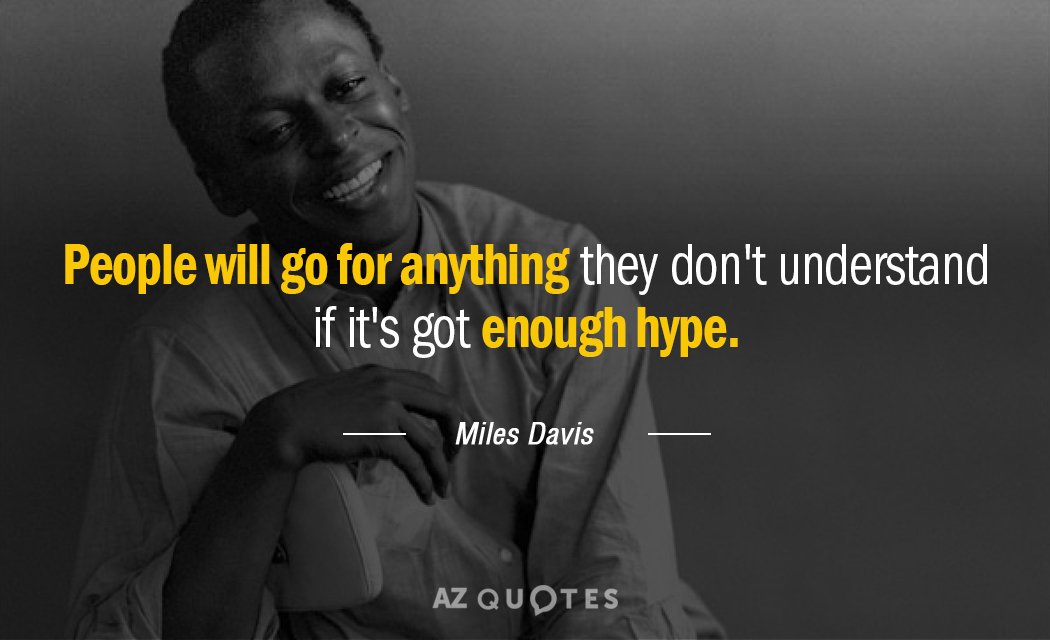
There’s a reason Miles Davis’s music feels so alive—it thrives in the spaces between the notes. His philosophy on art mirrors this: “People will go for anything they don’t understand if it’s presented in the right way.” This isn’t just a jab at blind conformity; it’s a challenge to creators everywhere. The most compelling ideas aren’t always the loudest or the most polished—they’re the ones that leave room for interpretation, that invite the audience to fill in the blanks. Whether you’re writing a song, painting a canvas, or even crafting a conversation, Davis reminds us that mystery isn’t a flaw—it’s the secret ingredient.
Time Is a Canvas: Play What You Don’t Know

Miles Davis didn’t just play jazz—he redefined it by refusing to play it safe. His advice to musicians was simple but radical: “Play what you don’t know.” This isn’t about recklessness; it’s about trust—in yourself, in the moment, and in the unknown. How often do we stick to what we’ve mastered, avoiding the discomfort of the unfamiliar? Davis’s words are a call to step into the void, to let the music (or the moment) guide you rather than clinging to the familiar. The result? A kind of alchemy where fear transforms into innovation.
The Illusion of Control: Letting Go to Find Something Greater
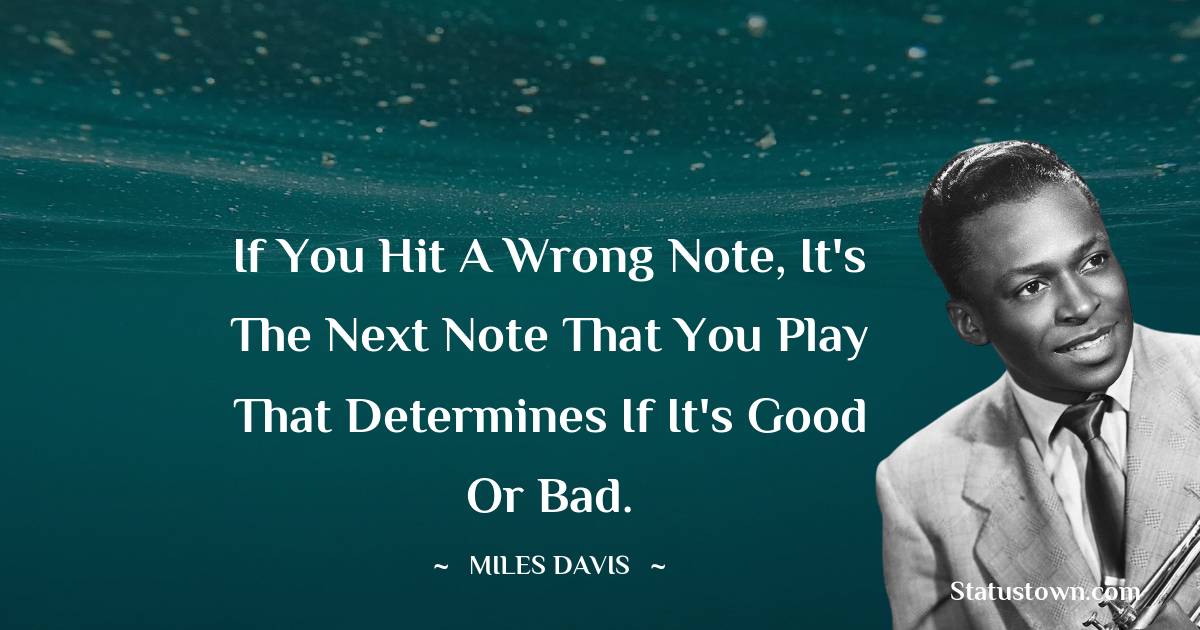
“I don’t care what people think,” Miles Davis famously declared, and in those words lies a lesson for anyone trapped in the web of others’ expectations. Control is an illusion we cling to, but Davis understood that true art—and true living—happens when you stop trying to steer the ship. Whether it’s a musical phrase or a life decision, forcing outcomes often kills the magic. His approach? Let go. The most groundbreaking moments in his career, from *Kind of Blue* to his electric period, came from surrendering to the process rather than dictating it. What if we applied that to our own lives?
The Paradox of Influence: Steal Like an Artist (But Make It Your Own)

Miles Davis didn’t invent jazz, but he sure as hell reinvented it—by stealing, twisting, and transcending. His take on influence? Don’t just copy; absorb, then obliterate. “First you have to play a lot of stuff you don’t know,” he said, but the real magic happens when you take those stolen ideas and bend them into something unrecognizable. This isn’t about plagiarism; it’s about digestion. The best artists don’t just borrow—they metabolize. What would happen if we approached our influences with the same voracious, transformative hunger?
The Power of the Pause: Silence as a Statement

In a world that rewards constant noise, Miles Davis’s music was a masterclass in restraint. His solos weren’t just about the notes he played—they were about the ones he didn’t. “Sometimes you have to play a long time to be able to play like yourself,” he once said, but the inverse is just as true: sometimes you have to stop playing to be heard at all. Silence isn’t absence; it’s a presence all its own. Whether in music, conversation, or life, Davis teaches us that what we leave out can be just as powerful as what we include.
Authenticity Over Approval: The Courage to Be Misunderstood
Miles Davis spent his life defying expectations, and his career was a testament to the fact that genius often looks like madness to those who can’t see the vision. “If you’re not pissing someone off, you’re not doing anything important,” he might as well have said. The fear of judgment is universal, but Davis’s life proves that the most transformative work doesn’t cater to consensus—it disrupts it. What if we stopped worrying about whether our ideas were “liked” and started asking if they were *necessary*?
The Alchemy of Reinvention: Never Stay the Same
Miles Davis’s career was a series of reinventions, each one more unexpected than the last. From bebop to cool jazz to fusion to hip-hop-infused experiments, he refused to be boxed in. His philosophy? “Don’t play what’s there. Play what’s not there.” This isn’t just musical advice—it’s a blueprint for living. Stagnation is the enemy of growth, and Davis’s life was a reminder that the moment you think you’ve figured it out is the moment you should start over. What’s the next version of yourself you’re waiting to become?
The Paradox of Simplicity: Complexity in the Bare Minimum
There’s a reason *Kind of Blue* is the best-selling jazz album of all time: it’s deceptively simple. Miles Davis stripped jazz down to its essence, proving that complexity doesn’t require clutter. His genius lay in making the difficult look effortless. “It’s not about standing still and becoming safe,” he once said. “If anybody wants to keep creating, they have to be about change.” This is the paradox of simplicity—it’s not easy to achieve, but when done right, it feels inevitable. What’s one area of your life where you could strip away the noise and find the core?
The Future Is Now: Why Waiting for Permission Is a Waste of Time
Miles Davis didn’t wait for trends to catch up to him—he set them. His electric period in the late ’60s and ’70s baffled critics who clung to tradition, but history vindicated him. His message? “Don’t fear the future. Fear the present if you’re not shaping it.” This is a call to action for anyone stuck in “waiting mode”—waiting for the right time, the right audience, the right conditions. Davis’s life was proof that the future belongs to those who stop asking for permission and start making the rules. What’s one thing you’ve been waiting to do that you could start today?
The Legacy of the Unfinished: Why the Best Work Is Never Done
Miles Davis died in 1991, but his music—and his philosophy—feel as alive as ever. That’s because he understood something fundamental: the best work is never truly finished. It’s always evolving, always leaving room for the next interpretation, the next reinvention. “I’ll play it first and tell you what it is later,” he famously said, a mantra for anyone who’s ever hesitated to share their work before it’s “perfect.” The truth? It never will be. And that’s the point. What’s one project you’ve been delaying because it’s not “ready”? Maybe it’s time to let it out into the world—imperfect, unfinished, and exactly as it should be.