John Wick isn’t just a movie franchise—it’s a masterclass in action storytelling, blending razor-sharp dialogue with relentless, choreographed violence. Behind the curtain, the directors—Chad Stahelski and David Leitch—have crafted a world where every punch, every gunshot, and every line of dialogue feels intentional. Their vision transforms Keanu Reeves’ stoic assassin into a legend, and their words often cut deeper than any bullet. Here are 10 quotes from the minds behind John Wick that are as action-packed as they are clever.
On the Philosophy of Violence: “It’s Not About the Gun”

Chad Stahelski has often emphasized that John Wick’s power lies not in the weapons he wields, but in the discipline behind them. “It’s not about the gun—it’s about the man behind it,” he once stated. This philosophy underscores the franchise’s core: Wick isn’t just a killer; he’s an artist, turning combat into a ballet of destruction. The directors’ focus on practical effects and real stunts reinforces this idea—every move is deliberate, every injury earned. In a world where action heroes often rely on CGI, Wick’s world feels visceral because it’s grounded in reality.
On the Code of the Underworld: “Rules Exist for a Reason”
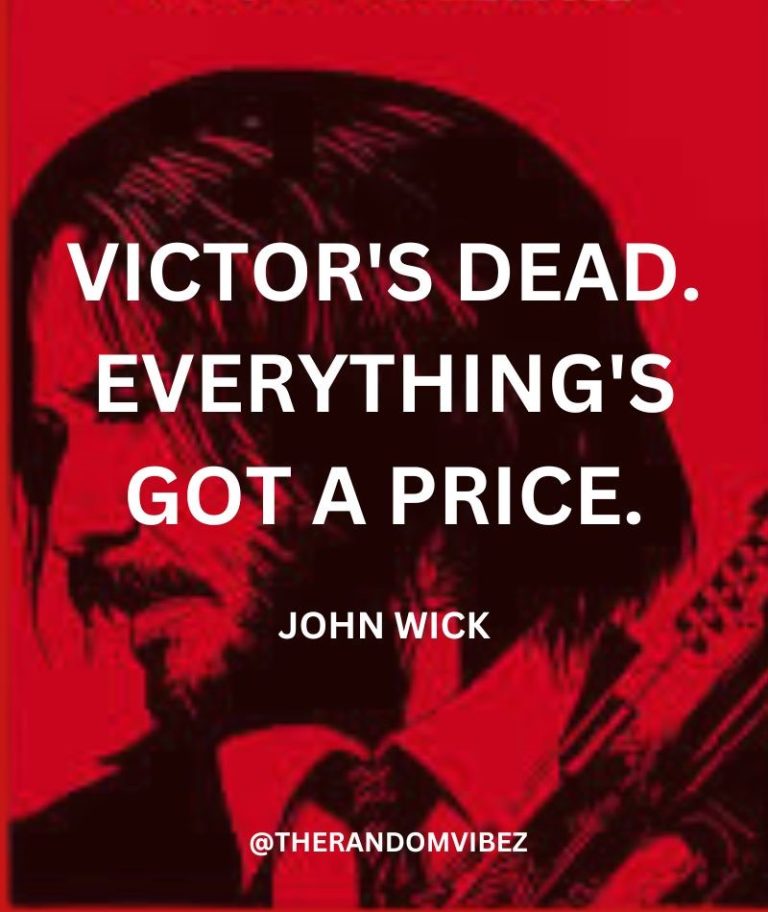
The John Wick universe thrives on its self-imposed rules, from the Continental Hotel’s no-kill policy to the gold coin economy of assassins. David Leitch has spoken about how these rules create tension and structure in an otherwise chaotic world. “Rules exist for a reason,” he explained. “They give the audience something to latch onto—something to predict, to fear, to respect.” This adherence to structure makes the moments of rebellion (like Wick’s rampages) feel even more explosive. It’s a reminder that even in anarchy, order shapes the chaos.
On the Art of the Kill: “Every Death Should Mean Something”

Stahelski and Leitch have both stressed that violence in John Wick isn’t gratuitous—it’s narrative. “Every death should mean something,” Stahelski has said. This philosophy elevates Wick’s journey from a simple revenge story to a tragic opera. The directors ensure that each kill, whether of a nameless henchman or a major antagonist, carries weight. It’s why audiences feel the impact of Wick’s actions, even when they’re undeniably brutal. The storytelling turns brutality into poetry.
On the Importance of Silence: “Sometimes, Words Are the Deadliest Weapons”
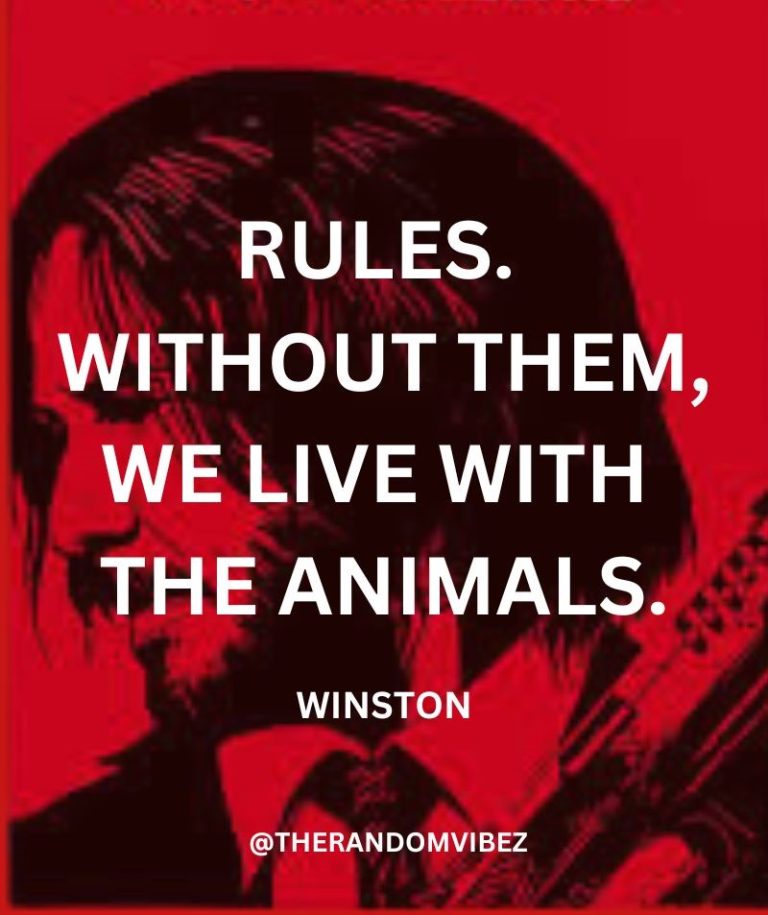
While John Wick is known for its explosive action, the directors have also highlighted the power of restraint. “Sometimes, words are the deadliest weapons,” Leitch has noted. Wick’s economy of speech—his ability to convey volumes with a glance or a single line—makes him all the more intimidating. The contrast between his explosive fights and his silent stares creates a rhythm that keeps audiences on edge. It’s a lesson in how less can often be more.
On the Role of the Villain: “A Great Antagonist Makes the Hero Shine”

The directors have spoken at length about the importance of crafting villains who elevate the hero. “A great antagonist makes the hero shine,” Stahelski has said. Whether it’s Viggo Tarasov’s chilling monologue or the High Table’s bureaucratic menace, the antagonists in John Wick aren’t just obstacles—they’re mirrors. They force Wick to confront his own limits, his past, and his code. This dynamic ensures that every victory feels earned and every defeat stings.
On the Legacy of the Franchise: “John Wick Isn’t Just a Movie—It’s a Culture”
Leitch has reflected on how John Wick has transcended its genre to become a cultural phenomenon. “John Wick isn’t just a movie—it’s a culture,” he has stated. The directors’ attention to detail—from the meticulous fight choreography to the immersive world-building—has inspired everything from video games to fashion. The franchise’s influence is a testament to how a single story, told with precision, can resonate across mediums. It’s proof that action can be art.
On the Future of Action Cinema: “The Bar Has Been Raised”
Stahelski has spoken about how John Wick has set a new standard for action cinema. “The bar has been raised,” he said. The franchise’s success has pushed other filmmakers to prioritize practical stunts, realistic fight scenes, and character-driven narratives. It’s a shift that’s made action movies more immersive and less reliant on flashy CGI. The directors’ work has proven that audiences crave authenticity, even in the most fantastical settings.
On the Power of the Soundtrack: “Music Should Feel Like Another Weapon”
Leitch has emphasized the role of music in shaping the tone of John Wick’s action. “Music should feel like another weapon,” he has explained. The franchise’s iconic score—from the haunting piano of *Hotel* to the adrenaline-pumping beats of *Bullet Train*—isn’t just background noise. It’s an extension of the violence, a force that propels the story forward. The directors’ collaboration with composers like Tyler Bates has turned the soundtrack into a character of its own.
On the Humanity Behind the Assassin: “Wick is a Man, Not Just a Machine”
Despite his lethal reputation, Stahelski has stressed that Wick is fundamentally human. “Wick is a man, not just a machine,” he has said. This humanity is what makes his story compelling. The directors ensure that Wick’s rage, grief, and moments of vulnerability are as visible as his combat skills. It’s this balance that turns him from a one-dimensional killer into a tragic hero. The audience roots for him because they see the man beneath the bloodstains.
On the Evolution of the Franchise: “The Best is Yet to Come”
Both directors have hinted that the best of John Wick is still ahead. “The best is yet to come,” Leitch has remarked. With each film, the franchise has evolved—expanding its lore, deepening its characters, and pushing the boundaries of action cinema. The directors’ vision remains as sharp as ever, ensuring that Wick’s world will continue to captivate audiences for years to come. It’s a promise that keeps fans on the edge of their seats, waiting for the next chapter.