The American Dream has long been a cornerstone of literature, embodying the ideals of ambition, opportunity, and reinvention. Few characters encapsulate this dream as vividly as Jay Gatsby, the enigmatic protagonist of F. Scott Fitzgerald’s masterpiece. Through his relentless pursuit of wealth, love, and status, Gatsby becomes a symbol of both the allure and the illusions of the American Dream. His words, often laced with metaphor and longing, reveal a man who believes in the transformative power of dreams—even when reality threatens to shatter them. Below, we explore ten quotes from Jay Gatsby that not only define his character but also illuminate the complexities of the American Dream itself.
The Green Light: A Beacon of Hope and Longing
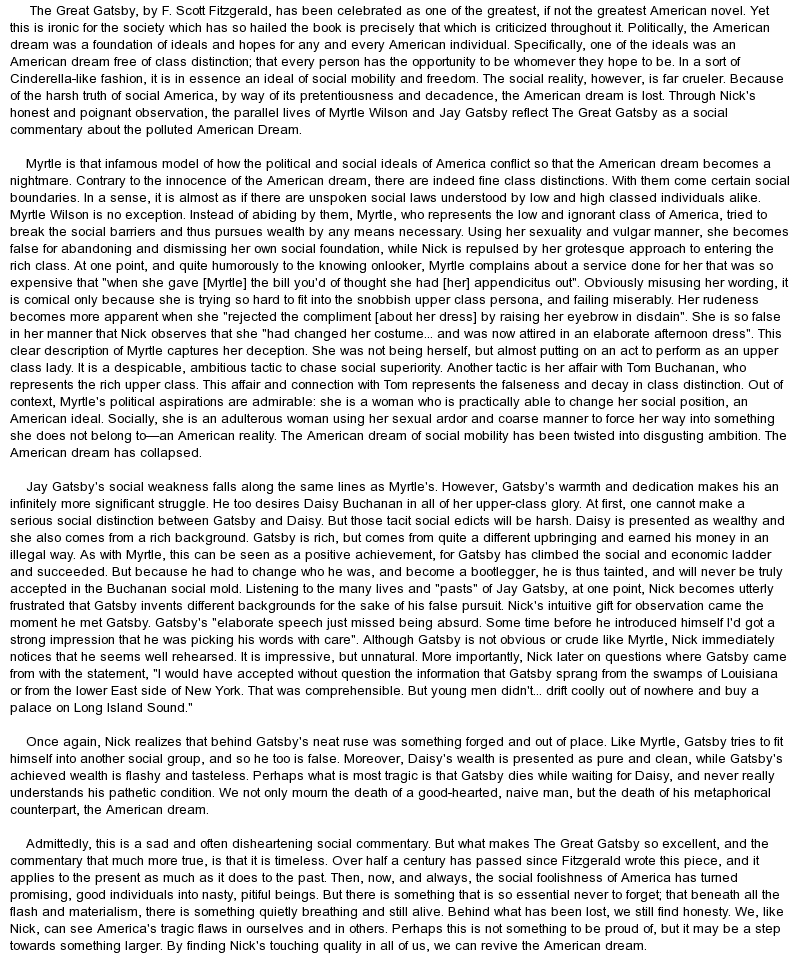
The green light at the end of Daisy’s dock is perhaps the most iconic symbol in *The Great Gatsby*. Gatsby’s fixation on this distant glow represents his yearning for a past that can never be recaptured. His belief that the light holds the key to his dreams reflects the American Dream’s promise—a future within reach if only one dares to chase it. Yet, the light remains just out of grasp, a poignant reminder that some dreams are built on illusions.
The Illusion of the Past: Can We Repeat History?
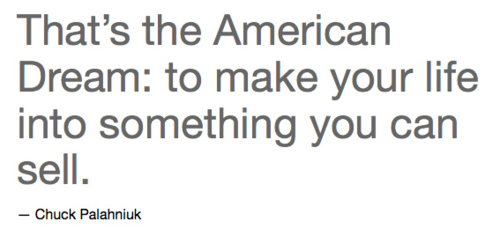
Gatsby’s infamous line, “Can’t repeat the past? Why of course you can!” captures his refusal to accept that time moves forward. His obsession with recreating a moment from his youth—his love for Daisy—highlights the American Dream’s dangerous allure: the belief that success and love can be relived if one simply tries hard enough. Yet, as the novel reveals, the past is a ghost, and no amount of wealth or determination can resurrect it.
The Self-Made Man: The Myth of Reinvention

Gatsby’s rise from a poor Midwesterner to a wealthy socialite is the quintessential American Dream narrative. His belief that “old sport” could erase his humble origins and grant him entry into high society speaks to the dream’s promise of reinvention. Yet, his fabricated identity—built on lies and bootlegging—reveals the dark underbelly of this myth. The American Dream, Gatsby’s story suggests, often demands a price that few are willing to acknowledge.
The Corruption of the Dream: Wealth Without Morality

Gatsby’s wealth, though dazzling, is a facade. His parties, filled with strangers and excess, mask a deeper emptiness. His line, “I was in the drug business and then I was in the oil business,” is a euphemism for criminal enterprise, illustrating how the American Dream can corrupt even the most determined souls. The dream, in Gatsby’s case, is not about integrity or hard work but about the intoxicating allure of power and prestige.
The Fragility of Dreams: The Roaring Twenties as a House of Cards
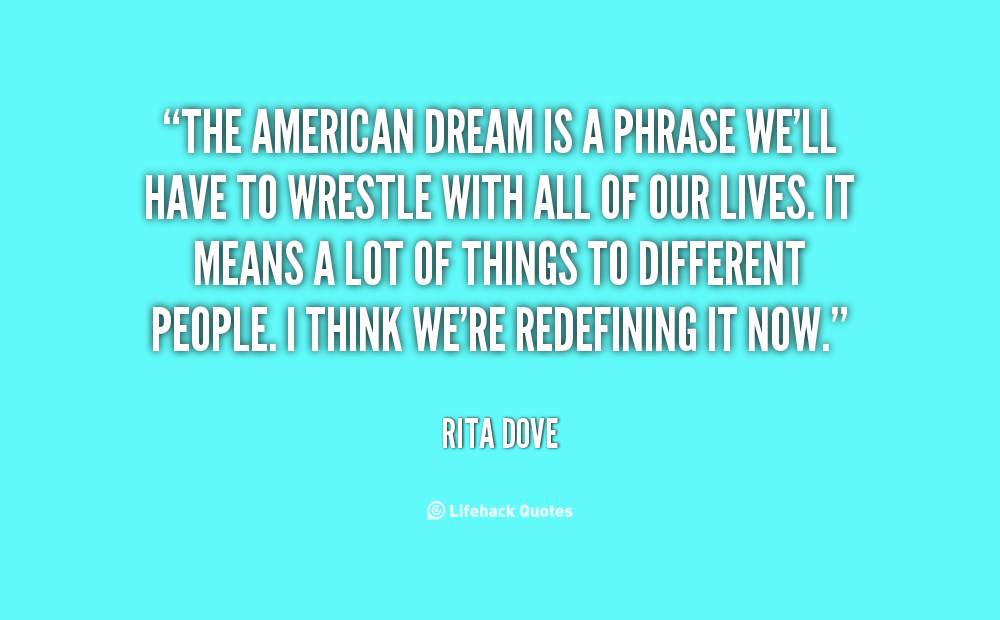
The Roaring Twenties were a time of unparalleled prosperity and excess, but also of moral decay. Gatsby’s dream, like the era itself, is built on shaky foundations. His mansion, his cars, his parties—all are temporary, destined to crumble under the weight of reality. The American Dream, as Gatsby embodies it, is a fleeting illusion, a mirage that vanishes the moment one tries to grasp it.
The Power of Hope: The Dream That Never Dies
Despite his flaws, Gatsby’s hope is unwavering. His belief that Daisy will return to him, that the past can be rewritten, is both his strength and his downfall. The American Dream, at its core, is about hope—the belief that tomorrow will be better than today. Gatsby’s story reminds us that while hope can be a powerful motivator, it can also blind us to the harsh realities of life.
The Price of Ambition: Isolation and Loneliness
Gatsby’s ambition isolates him from those around him. His parties are filled with people who barely know him, and his love for Daisy is one-sided. The American Dream, as Gatsby pursues it, is a lonely path. It demands sacrifice—of relationships, of authenticity, of self. Gatsby’s mansion is a gilded cage, a monument to his ambition but also to his solitude.
The American Dream as a Double-Edged Sword
Gatsby’s story is a cautionary tale about the American Dream’s double-edged nature. It promises freedom, opportunity, and success, but it also demands a toll—often in the form of moral compromise, lost relationships, and shattered illusions. The dream is not inherently evil, but it is not inherently good either. It is what we make of it, and Gatsby’s life is a testament to the dangers of chasing it without question.
The Legacy of Gatsby: A Dreamer’s Paradox
In the end, Gatsby’s dream dies with him, but his legacy endures. He is both a hero and a cautionary figure—a man who dared to dream so fiercely that he lost sight of reality. The American Dream, as embodied by Gatsby, is a paradox: it inspires us to reach for the stars, but it also warns us of the pitfalls of unchecked ambition. His story is a reminder that while dreams are essential, they must be tempered with wisdom and self-awareness.