Teenage disillusionment isn’t just a phase—it’s a raw, unfiltered lens through which the world is seen for the first time without rose-colored glasses. The words of Holden Caulfield, the iconic protagonist of J.D. Salinger’s The Catcher in the Rye, resonate because they don’t just describe teenage angst; they embody it. His metaphors are jagged, his tone is unapologetically cynical, and his language cuts straight to the bone. These quotes aren’t just observations—they’re mirrors held up to the chaos of growing up, where every ideal seems tainted and every truth feels like a betrayal. Here are ten quotes from Holden Caulfield that capture the essence of teenage disillusionment in all its gritty, poetic glory.
“That’s the thing about girls. Every time you think you’ve got them figured out, they surprise you.”
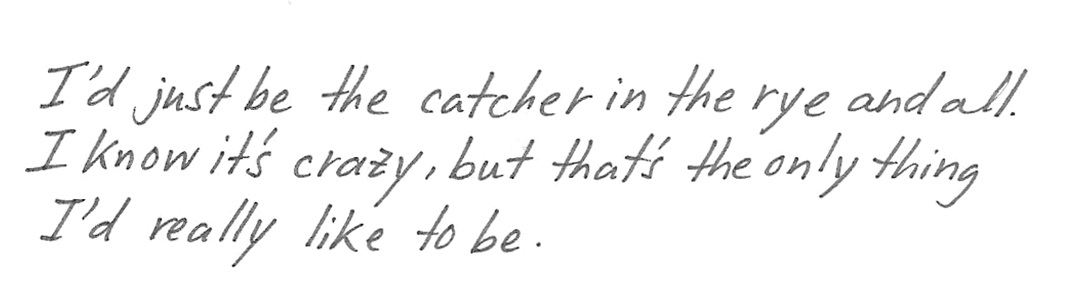
Holden’s observation about girls isn’t just about romantic entanglements—it’s a metaphor for the broader unpredictability of life. Teenagers often build elaborate theories about people, only to have them shattered by reality. The quote reflects the frustration of feeling like the world operates on rules you can’t quite decipher, where even the simplest interactions feel like a puzzle missing half its pieces. It’s the disillusionment of realizing that people, like emotions, aren’t as straightforward as you’d like them to be.
“I’m the most terrific liar you ever saw in your life.”
Lying isn’t just a habit for Holden—it’s a survival mechanism. The quote underscores the duality of teenage identity, where the self is both the deceiver and the deceived. It’s a poignant metaphor for the masks we wear to fit in, to protect ourselves, or to avoid facing uncomfortable truths. Disillusionment often begins when we realize how much of our own lives we’ve been lying about, even to ourselves. Holden’s honesty about his dishonesty makes the revelation all the more piercing.
“I don’t know why, but I felt sad as hell.”
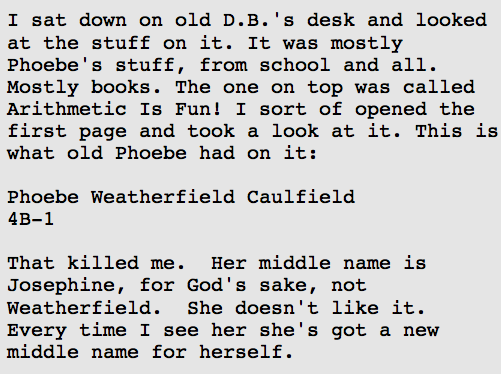
Sadness, for Holden, isn’t a fleeting emotion—it’s a constant companion. The quote captures the overwhelming weight of teenage emotions, where even the smallest moments can feel like emotional landslides. It’s the disillusionment of realizing that happiness isn’t a default state but something fragile, easily shattered by the slightest disappointment. The raw simplicity of the line makes it relatable; it’s the kind of sadness that doesn’t need a reason, it just is.
“I have a feeling that you’re riding for some kind of a terrible, terrible fall.”
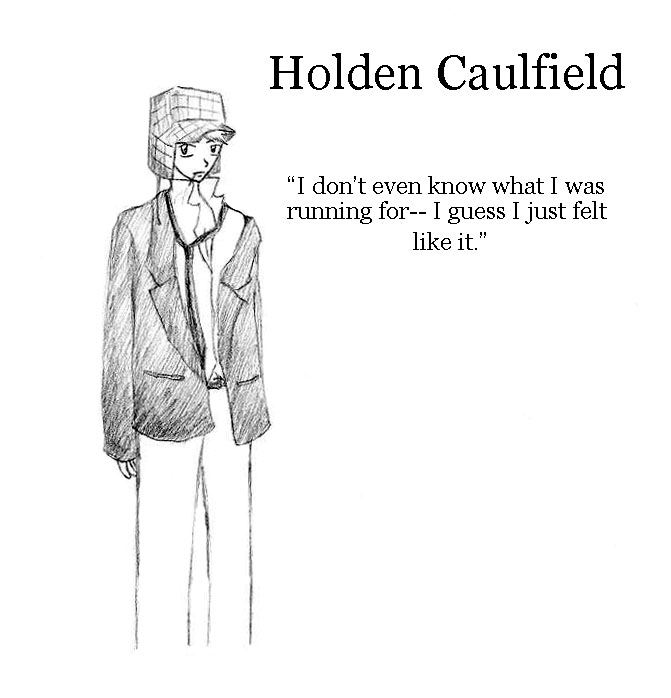
Holden’s warning isn’t just about physical falls—it’s about the metaphorical stumbles of growing up. The quote reflects the anxiety of watching peers (or even oneself) hurtle toward mistakes, heartbreaks, or compromises that seem inevitable. It’s the disillusionment of realizing that adulthood isn’t a smooth transition but a series of collisions with reality. The tone is fatalistic, yet it’s this very awareness that makes Holden’s perspective so hauntingly accurate.
“The more you know who you are and what you want, the less you let things upset you.”

This quote flips the script on teenage angst. Instead of wallowing in confusion, Holden suggests that self-awareness is the antidote to disillusionment. Yet, the irony is that most teenagers are still grappling with who they are, making the advice feel like a cruel joke. It’s a poignant reminder that the search for identity is messy, and the disillusionment comes from the gap between knowing what you want and being unable to achieve it. The quote underscores the frustration of being stuck in the in-between.
“I can’t explain what I mean. And even if I could, I’m not sure I could make you understand.”
Communication breakdowns are a hallmark of teenage disillusionment, and Holden’s frustration with explaining himself is universal. The quote captures the isolation of feeling misunderstood, where even the most heartfelt words fall flat. It’s the disillusionment of realizing that some emotions are too complex to translate, leaving you trapped in your own head. The helplessness in the line is palpable—it’s the moment you accept that no one will ever truly get it.
“I don’t care if it’s a sad good-by or a bad good-by, but when I leave a place, I like to know I’m leaving it.”
Holden’s obsession with closure reflects the teenage need for control in an unpredictable world. The quote is a metaphor for the fear of being left behind or the dread of not knowing where life is taking you. Disillusionment often stems from the realization that some things—relationships, opportunities, time—can’t be neatly packaged and tucked away. The line is a quiet plea for certainty in a world that offers none.
“I was surrounded by phonies.”
Phoniness is Holden’s catch-all term for the hypocrisy and superficiality he sees everywhere. The quote is a scathing indictment of the adult world, where authenticity feels like a rare commodity. It’s the disillusionment of realizing that the people you admired as a child are just as flawed, just as performative, as everyone else. The line resonates because it’s a universal teenage gripe—the moment you see through the facades and feel utterly alone in your disillusionment.
“I felt so lonesome, all of a sudden. I almost wished I was dead.”
Loneliness isn’t just a feeling for Holden—it’s a suffocating presence. The quote captures the depth of teenage despair, where isolation feels like a physical weight. It’s the disillusionment of realizing that even in a crowd, you can feel utterly alone. The raw honesty of the line makes it devastating; it’s the kind of loneliness that doesn’t need company to exist, it just needs you to acknowledge it.
“I don’t know what I’m doing half the time.”
Holden’s admission is the quintessential teenage confession. The quote is a metaphor for the chaos of growing up, where every decision feels like a gamble and every path is shrouded in uncertainty. Disillusionment often begins when you realize that no one has it all figured out—not parents, not teachers, not even the people you idolize. The line is a relief because it’s honest, and in a world of performative confidence, that honesty is revolutionary.