D.W. Griffith, a pioneering figure in early cinema, left an indelible mark on film history with his innovative techniques and controversial storytelling. While celebrated for his technical achievements, some of his quotes reveal deeply problematic perspectives that reflect the biases of his era. Below, we explore 10 of his most controversial and groundbreaking statements, each accompanied by historical context and critical analysis.
The Influence of Race in Early Cinema

Griffith’s most infamous work, *The Birth of a Nation* (1915), glorified the Ku Klux Klan and perpetuated racist stereotypes. In interviews, he defended his portrayal of racial hierarchies, stating, “The real truth is that the negro is a perfectly happy creature in his own sphere, but when he attempts to enter the white man’s sphere, he is doomed to failure.” Such remarks highlight the deep-seated prejudices embedded in early Hollywood, which Griffith helped shape.
Artistic Vision vs. Ethical Responsibility

Griffith often framed his controversial narratives as artistic expression rather than moral endorsements. One of his most quoted lines—“The cinema is a universal language”—underscores his belief in film’s power to transcend cultural barriers. Yet, this same philosophy justified the dissemination of harmful stereotypes. His refusal to acknowledge the ethical weight of his work reveals a troubling disconnect between artistic ambition and social responsibility.
The Myth of the Southern Gentleman
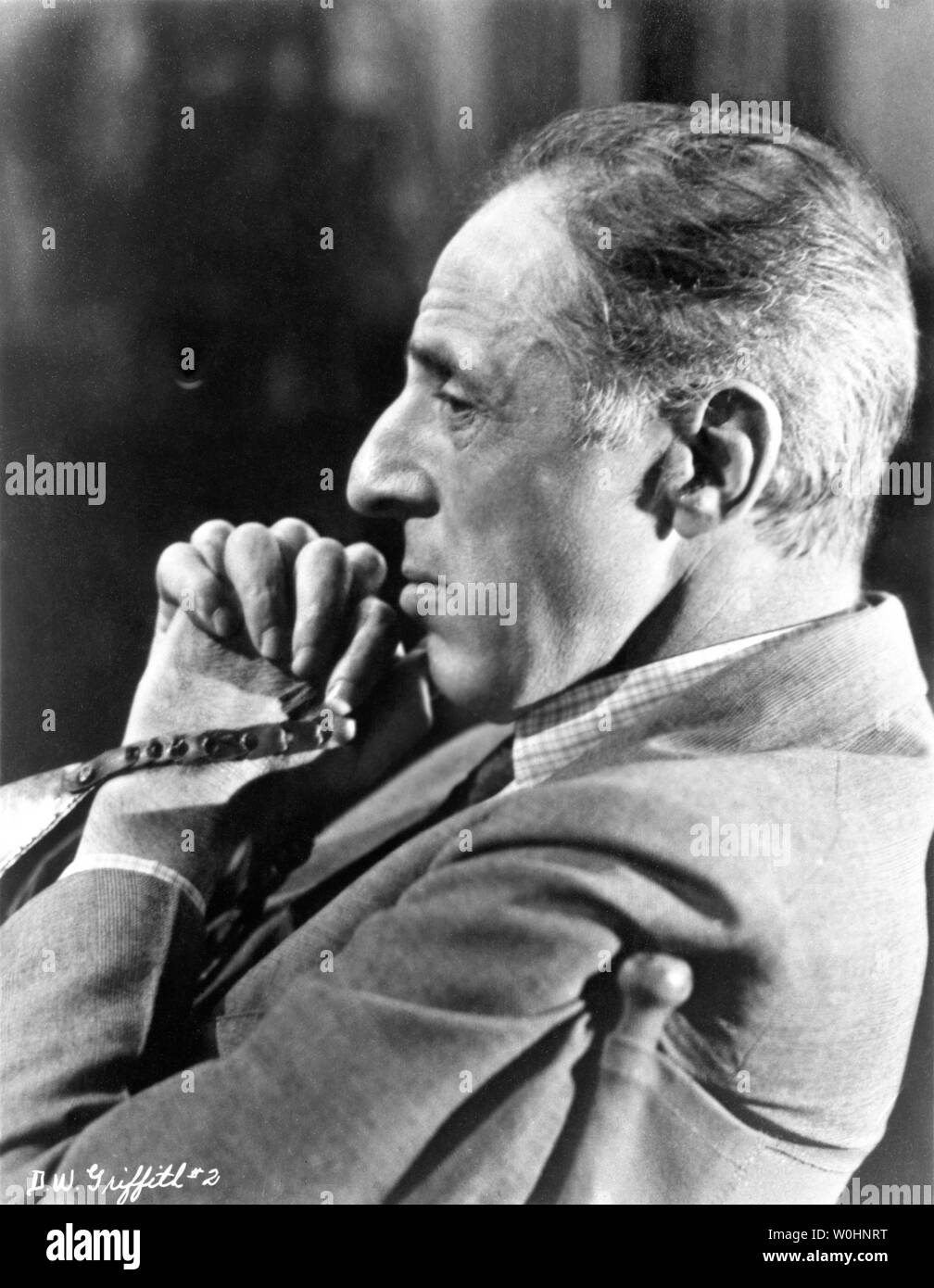
Griffith’s romanticized view of the antebellum South permeated his films and public statements. He once remarked, “The South was right. The South was justified in what it did.” This revisionist history not only whitewashed the horrors of slavery but also positioned the Confederacy as a noble cause. His nostalgia for a bygone era ignored the systemic oppression that defined it, reinforcing dangerous historical narratives.
Gender Roles and Female Agency

While Griffith’s films often featured strong female characters, their narratives were frequently dictated by patriarchal ideals. He once said, “A woman’s place is in the home, but if she must work, she should be a secretary or a teacher.” This statement reflects the limited roles he envisioned for women, reducing their ambitions to domestic or subordinate positions. His work, though groundbreaking in technique, often reinforced regressive gender norms.
The Power of Propaganda in Cinema
Griffith’s films were not just entertainment; they were tools of propaganda. He believed cinema could shape public opinion, stating, “The screen can teach, it can uplift, it can inspire.” However, his definition of uplift often aligned with his own prejudiced worldview. The same medium that pioneered cinematic techniques was wielded to spread divisive ideologies, leaving a legacy that filmmakers and historians continue to grapple with today.
The Legacy of Controversy
Griffith’s contributions to cinema are undeniable, yet his controversial statements serve as a cautionary tale about the ethical responsibilities of artists. His work challenged the boundaries of film as an art form, but it also entrenched harmful stereotypes that took decades to dismantle. As modern audiences revisit his films, they must confront the duality of his genius and his flaws—a reminder that progress often comes at a cost.
Lessons for Modern Filmmakers
Griffith’s career offers valuable lessons for contemporary filmmakers. His unchecked biases underscore the importance of critical self-reflection in storytelling. Today’s directors must balance artistic innovation with social awareness, ensuring their work does not perpetuate harm. Griffith’s legacy challenges us to ask: Can art truly be separated from its ethical implications? The answer remains as complex as the films he left behind.