Friendships shape us in ways few other relationships do. They are the silent partners in our laughter, tears, and quiet victories—the ones who know our deepest faults and still love us anyway (until they don’t). There’s a moment in every fractured bond when reality strips away the pretty narratives we cling to. It’s in these moments, fraught with silence and unspoken judgments, that the truth hits: some friendships are like open wounds, and leaving them is less about moving on and more about choosing to live. The quotes below cut deeper than polite platitudes—they name the suffocating ache of love half-received, the exhaustion of toxic loyalty, and the impossible choice between staying and dignifying someone or walking away and keeping your soul intact.
*”The hardest thing isn’t just talking to someone you used to talk to every day”
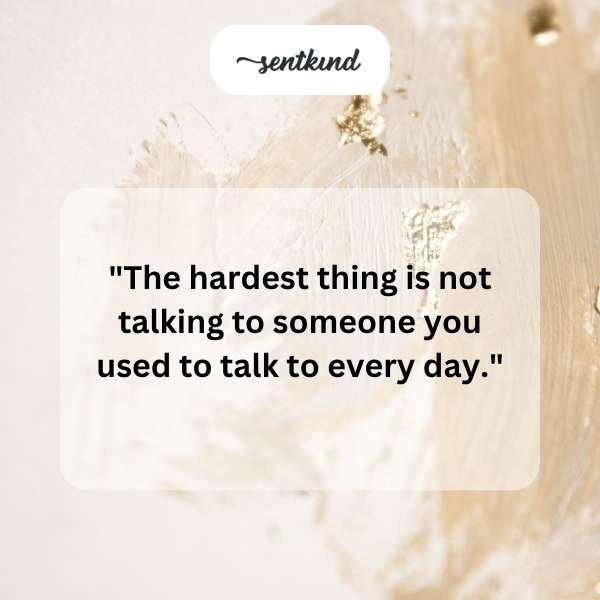
The absence of a once-comfortable rhythm should feel like an accident—like a switch flipped suddenly, and now the air in the room feels thin. It’s not the *end* that breaks you; it’s learning there’s nothing left to unburden, no safe place to unravel in front of someone who’d rather point fingers than listen. That hollow space you’re forced to inhabit is the truth of how much a person actually needed you—or if you even were you at all.
“It’s suffocating to be in a friendship that no longer serves you, but terrifying to leave it”
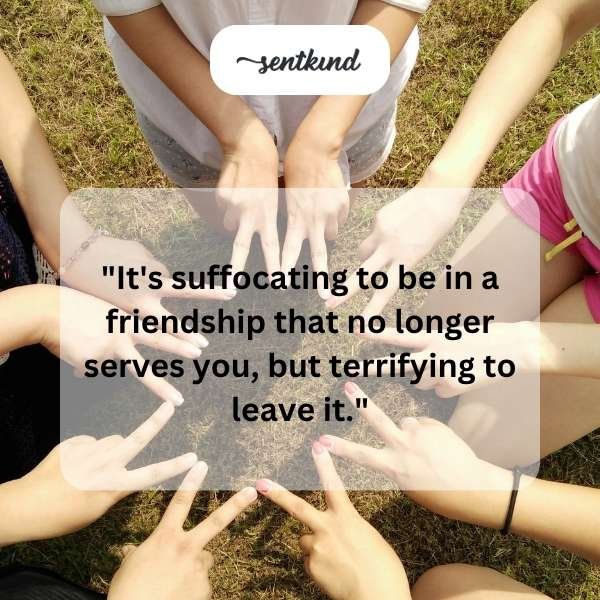
Friendships with nooks and edges have a way of making you wonder if you’re clinging to the wreckage of what used to be because the prospect of starting over is more daunting than enduring a friendship that drains you dry. Yet there’s a betrayal in staying—one that leaves you with a residue of rage you can’t name. You’ve outgrown their version of love, and the fear that you’re being *replaced* by the person you used to be keeps you there.
“When someone shows you who they are, believe them the first time”

This isn’t just about vindictiveness; it’s about patience. It’s understanding that people don’t *become* toxic overnight—they reveal what was always there waiting for the right circumstances to expose it. The one who called out in your darkest hour only to whisper in your ear that it could have been you? That’s all the proof you needed. The question was never about their love or your worth—it was about whether you wanted to remain close to someone who has *always* chosen themselves first.
No friendship is ever truly over if you stay”

Leaving a friendship isn’t about closure; it’s about survival. Staying is a daily negotiation between pride and exhaustion, a constant recalibration of how much self-betrayal you’re willing to endure in the name of ‘trust.’ Time doesn’t heal toxic friendships—it magnifies the cost of staying. Eventually, you realize the pain of *not leaving* is harder than you ever imagined.“This isn’t forgiveness, it’s a hostage situation”
“
Friendships function like a bad investment: you know it’s unsustainable, but you can’t afford to let go. The guilt lingers like rent collectors, demanding explanations, apologies, or at least an emotional performance of loyalty. Yet every time you step back in to prove you’re a forgiving person, you’re agreeing to *live* in the wreckage. No one’s free until they set the final fire. The real tragedy is thinking you’d be free *by choosing to leave*—when the price was never worth it.
“
Friendships function like a bad investment: you know it’s unsustainable, but you can’t afford to let go. The guilt lingers like rent collectors, demanding explanations, apologies, or at least an emotional performance of loyalty. Yet every time you step back in to prove you’re a forgiving person, you’re agreeing to *live* in the wreckage. No one’s free until they set the final fire. The real tragedy is thinking you’d be free *by choosing to leave*—when the price was never worth it.