Toxic relationships are like storm clouds—dark, relentless, and impossible to ignore once they’ve settled over you. They whisper promises of acceptance, love, even growth, only to turn into a gale of manipulation, unconditional emotional blackmail, and a slow suffocation of your autonomy. Behind every closed door, every dismissive wave, every guilt trip disguised as care, lies a truth so raw it stings like a splinter in an open wound. The quotes below aren’t just words; they’re mirrors, reflecting the quiet chaos of being loved in a way that leaves you questioning whether you’re the problem or the prize. Prepare to sit with the discomfort—they’re worth it.
—
When “I Love You” Becomes a Currency

“You can’t buy love with silence when your voice is the only thing left to sell.” In a toxic relationship, affection isn’t given—it’s doled out like rationed medicine: only when you’ve checked off their invisible list of demands. One day, you’ll wake up realizing your love language was once “I.” Now, it’s an interrogation. Every hug becomes a performance, every shared meal a negotiation. The love grows colder not because you’re unlovable, but because you’ve learned that passion is a transaction, not a bond. And when the bills are paid, the affection goes dark as a closed wallet.
—
The House of Cards You Thought Was Love

“People tell you love should feel like security. Maybe it does. In a prison of their making.” Toxic relationships are built on a foundation of sand, cemented with false promises and reinforced with guilt. You’re not “fragile”; you’re a puppet, mastered in a ballet of gaslighting where each compliment feels like a debt and every kindness a debt owed. The irony? You believed their rules were laws of love—until you realized they were the rules of a game you didn’t sign up to play. Love shouldn’t require rewiring who you are; it should celebrate it. And if it asks you to step barefoot into a minefield, that’s not affection. That’s a trap.
—
Gaslighting: The Art of Making the Sky Fall
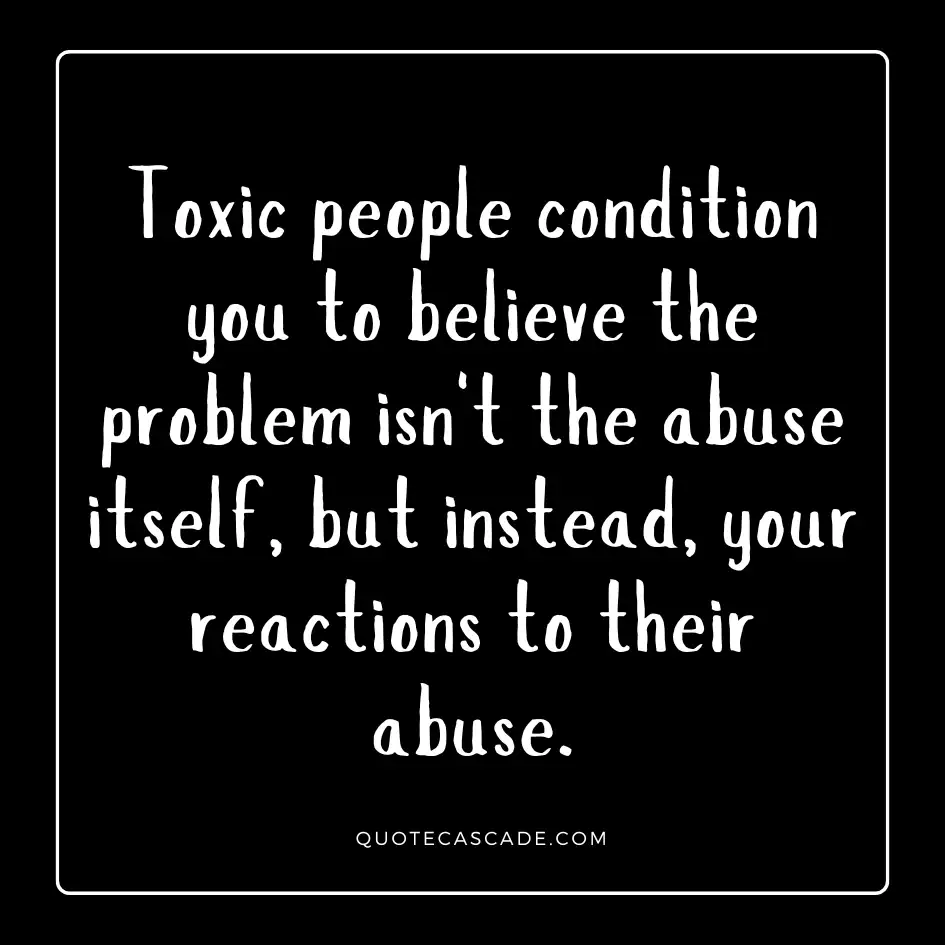
“They’ll convince you the night is cloudy, then say your eyes are broken when dawn arrives.” Gaslighting is the insidious art of rewriting reality, sentence by sentence, until you doubt the truth not in your own heart, but in the very evidence of your eyes. You’ll start apologizing for remembering correctly, questioning whether you’re the one “too sensitive,” too “reactive,” too *wrong*. The cruelest twist? You’ll ask for proof you weren’t fabricated—and find their version of history staring back, cold and unshaken. This isn’t a relationship. It’s an act of theater, with your personal narrative as the scenery. And when the curtain falls, no apology follows.
—
You Didn’t Invent the Storm
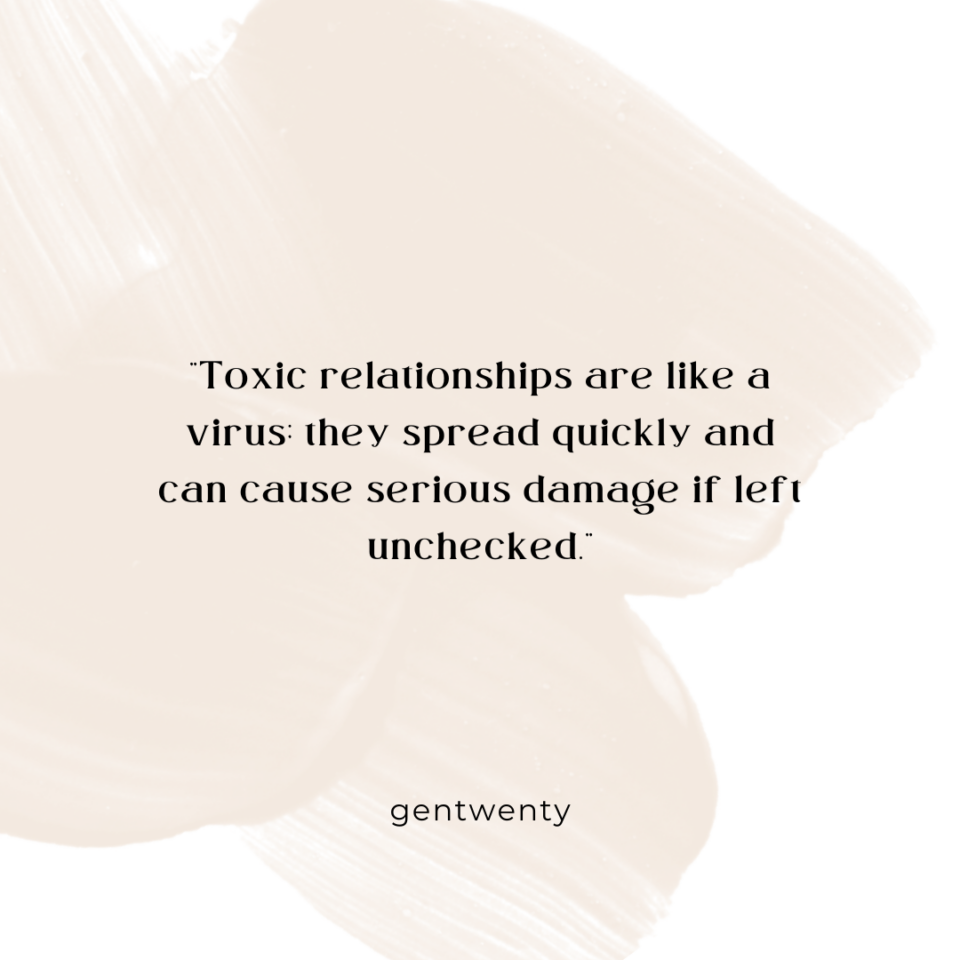
“Toxic people don’t pick fights; they construct the battlefield before you arrive, then charge you with carrying the blame for the war.” You’re not “emotionally overreacting” when someone slams a door in your face. A storm cloud doesn’t owe you a reason for forming. Yet, in a toxic dynamic, you’ll spend years apologizing for existing in a room where the air is poisoned. Your pain isn’t your fault. Their actions aren’t “provocations”—they’re choices. Rain doesn’t apologize for falling. Why should your worth?
—
The Final Silence: When Even the Truth Fails

“At some point, the silence stretches longer than the love story—or at least longer than the silence between lies and truth. When you’ve stopped hearing apologies in apologies, when every ‘I love you’ sounds like a surrender… you realize silence, too, is a kind of final word. And it doesn’t hurt half as much as walking away.”
This isn’t about fairy tales. Love shouldn’t require proving it’s worth preserving; it should scream it in your bones like a truth you carved from hard-won scars. The exit is never pretty. It’s messy, raw, a sobbing release of air from lungs holding breath too long. But this is where the truth waits: you matter. Not as a repair kit for a broken heart, but as the person who deserved light without needing permission to turn toward it.