Life’s most profound lessons often come not from the living, but from those on the brink of departure. Their words, like whispered secrets from the edge of existence, carry a weight that shakes the soul awake. These quotes from dying people aren’t just reflections—they’re mirrors held up to our own lives, revealing what truly matters when time begins to slip through fingers like sand. They speak of love that outlasts fear, of regrets that dissolve into wisdom, and of moments so vivid they burn brighter than any lifetime spent in distraction. If you’ve ever paused mid-step, wondering whether you’re chasing the right things, these voices from the threshold might just guide you home.
The Fragility of Time: “If you live each day as if it were your last, someday you’ll most certainly be right.”

Time is not a currency we can hoard—it’s a river we’re carried on, whether we swim or drown. This quote, often attributed to Steve Jobs, isn’t a call to recklessness, but a gentle nudge to strip away the noise. What would you do if today were your last? Not in a dramatic, cinematic sense, but in the quiet, honest way that asks you to look at your relationships, your work, your dreams. The dying don’t speak in hypotheticals; they speak in absolutes. They’ve seen how quickly the trivial fades, how love lingers like a scent long after the body is gone. To live as if each day were your last isn’t morbid—it’s a celebration of presence, a refusal to let life become a rehearsal for a future that may never come.
Memory as Legacy: “How people die remains in the memory of those who live on.”
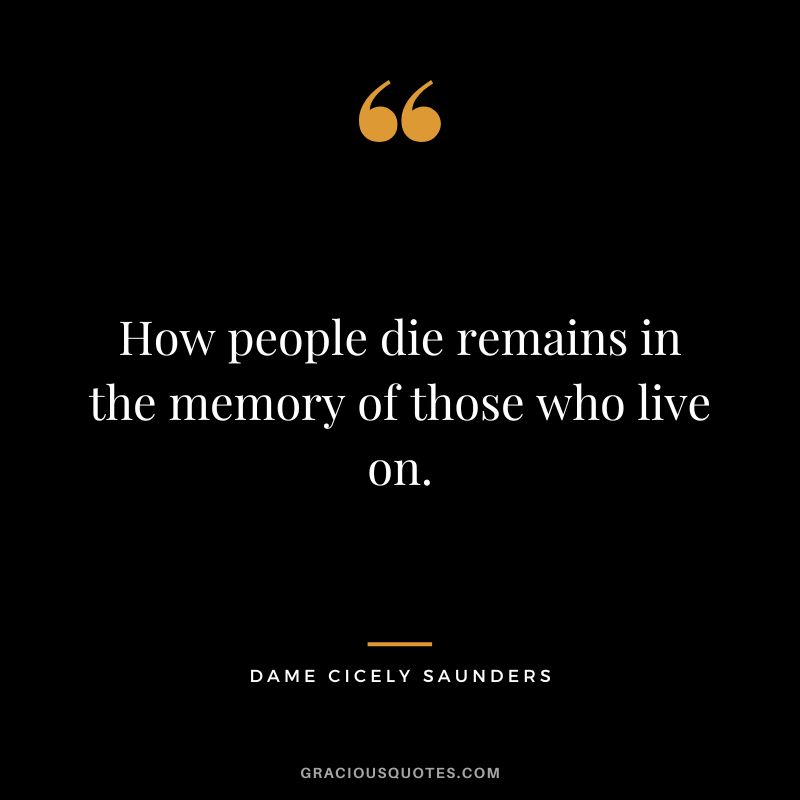
Death isn’t an eraser—it’s a magnifying glass. The way someone leaves this world doesn’t just vanish; it etches itself into the minds of those who remain, shaping how they remember not just the end, but the entirety of a life. A dying person’s final moments can reveal their essence more clearly than decades of ordinary days. Were they at peace? Did they speak words of love or linger in silence? These details don’t just haunt the living—they define legacies. The fear of dying often pales beside the fear of being forgotten, or worse, remembered for the wrong reasons. But what if the greatest act of love isn’t in how long you live, but in how fully you allow others to witness your truth, even in vulnerability? The dying teach us that memory is not a passive archive—it’s a living story, rewritten with every tear and every smile.
Beauty in the Unspoken: “The most beautiful quotes about death aren’t about dying—they’re about how love survives it.”

There’s a quiet poetry in the spaces between words, in the moments when grief doesn’t need a voice. The most hauntingly beautiful reflections on death aren’t the ones that dwell on the act itself, but on the love that outlasts it. A glance that lingers, a touch that lingers longer, a memory that lingers forever. The dying often speak in metaphors—light that fades, journeys that end, seeds that fall to the earth. But what they’re really describing is connection: the way a person’s presence can fill a room even when they’re gone, the way a laugh can echo in the halls of the heart long after the lips have stilled. These aren’t just quotes; they’re love letters to the living, reminders that what we fear losing is often what we’ve already been given—the chance to love, and be loved, in ways that defy time.
Courage in the Face of the Unknown: “The bravest words come from those who stand at the edge of life and still choose to speak.”
Fear is a shadow that stretches long in the face of the unknown, but the dying often step into it with a clarity that leaves the rest of us breathless. Their words aren’t just observations—they’re acts of courage, spoken from a place where vulnerability and truth become indistinguishable. They tell us to forgive, to let go, to love without conditions. They remind us that regret isn’t a luxury reserved for the living—it’s a weight the dying carry when they’ve spent a lifetime chasing the wrong things. But they also show us that courage isn’t the absence of fear; it’s the willingness to speak anyway. To say, “I love you,” one last time. To admit, “I was wrong,” without shame. To face the end not with despair, but with a quiet, unshakable peace. Their voices are a challenge: if they can find the strength to speak their truths in the face of annihilation, what’s stopping us from living ours now?
The Art of Letting Go: “What matters most isn’t what you hold onto—it’s what you’re willing to release.”
Attachment is a double-edged sword. It gives life meaning, but it also chains us to pain. The dying understand this better than anyone. They let go of possessions, of roles, of identities that no longer serve them. They release grudges like birds released from cages, watching them fly away without looking back. What they hold onto isn’t what they own, but what they’ve loved—people, moments, the quiet joy of a life well-lived. Their wisdom isn’t in accumulating more, but in knowing when to surrender. It’s a lesson for the living: the things we cling to—status, money, old wounds—are often the very things that weigh us down. But release isn’t defeat; it’s the ultimate act of trust. Trust in love, in the universe, in the idea that what’s meant to stay will find its way back to you. The dying don’t fear loss because they’ve learned that what truly matters can never be taken away—it can only be given, freely, without reservation.