There’s a quiet magic in the pursuit of knowledge that has nothing to do with utility or practical gain. The pleasure of learning useless things isn’t just a whimsical indulgence—it’s a rebellion against the tyranny of productivity, a celebration of curiosity for its own sake. These moments of intellectual playfulness sharpen our minds, expand our horizons, and remind us that joy can be found in the most unexpected places. Whether it’s the history of obscure musical instruments, the etymology of forgotten words, or the art of cloud-gazing, useless knowledge is a gateway to wonder. Here are 10 quotes that capture the delight of learning things that may never matter—and why that’s perfectly okay.
The Joy of Useless Knowledge

Mark Twain’s wry observation cuts to the heart of why useless learning is so vital. Reading, even when it doesn’t lead to tangible outcomes, enriches the mind in ways that rigid utility never could. The act of consuming words—whether in a dusty old book or a trending article—keeps the brain agile, curious, and alive. In a world obsessed with measurable results, Twain’s words remind us that the simple pleasure of reading is its own reward.
Learning as a Form of Play
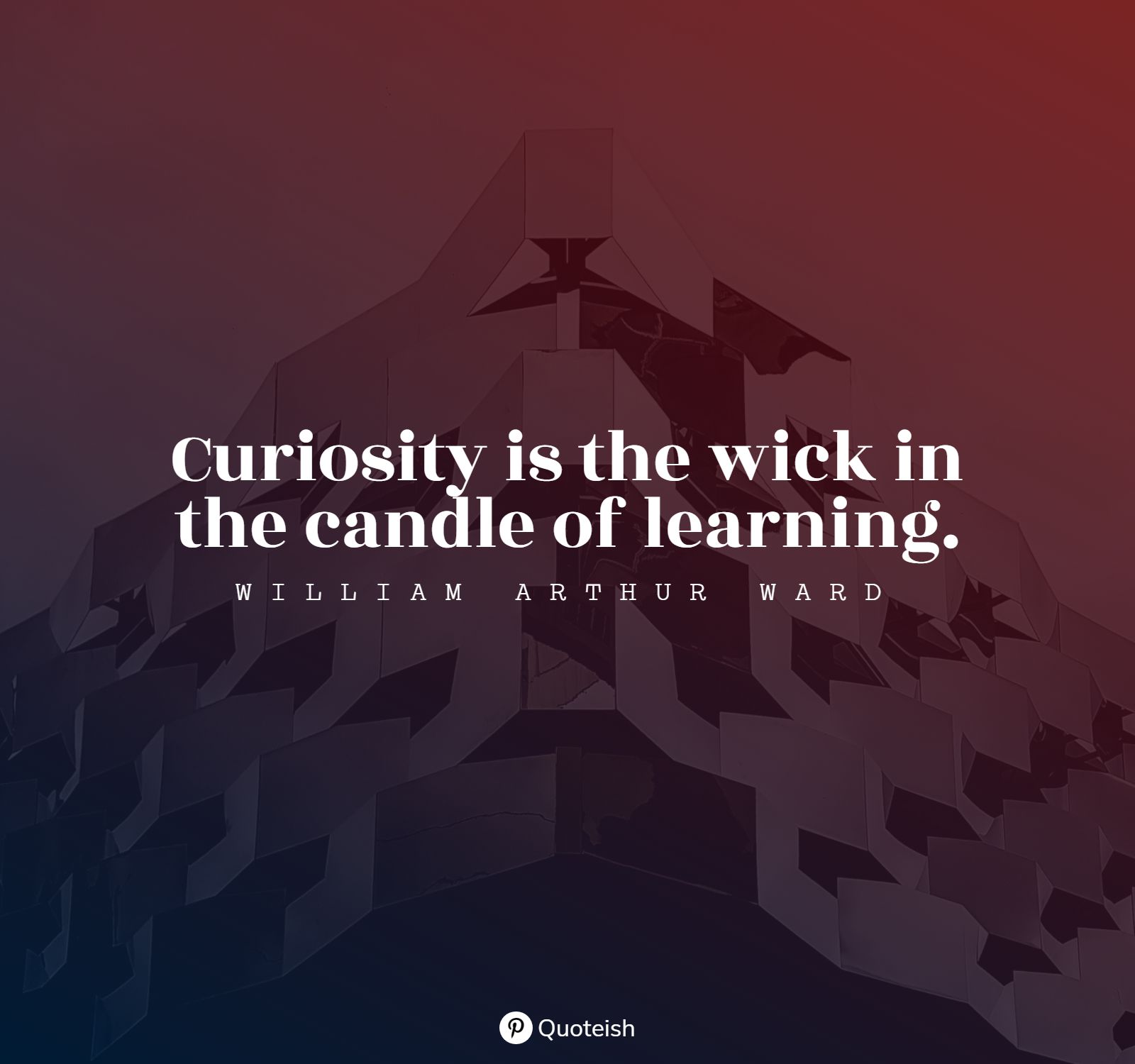
Albert Einstein famously declared that play is the highest form of research, and he wasn’t wrong. When we engage with knowledge purely for the thrill of discovery, we tap into a childlike sense of wonder that fuels creativity. Useless learning isn’t frivolous—it’s the soil in which innovation grows. Whether you’re memorizing the names of constellations or the lyrics to a 1920s jazz standard, you’re exercising the same mental muscles that lead to breakthroughs in science, art, and philosophy.
The Freedom of Useless Facts
Socrates’ timeless paradox highlights the liberating power of useless knowledge. The more we learn—even about topics that seem inconsequential—the more we recognize the vastness of what we don’t know. This humility is refreshing in an era where expertise is often equated with narrow specialization. Embracing useless facts isn’t about cluttering your brain; it’s about cultivating a mindset that thrives on curiosity rather than the pressure to be an authority on everything.
Curiosity as a Lifeline
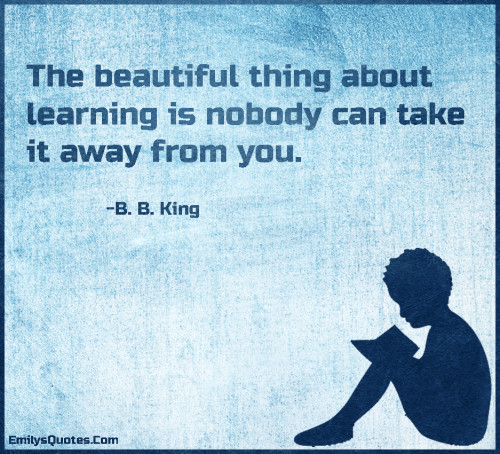
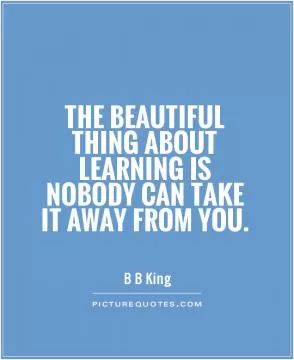
This sentiment, often attributed to B.B. King, underscores the permanence of intellectual joy. Unlike material possessions or fleeting trends, the knowledge you gather—no matter how trivial—becomes a part of you forever. Whether it’s the lyrics to a song you’ll never sing in public or the name of a flower you’ll never plant, these fragments of learning are tiny treasures that enrich your inner world. In a fast-paced society, they’re a quiet rebellion against the disposable nature of modern life.
The Art of Not Knowing
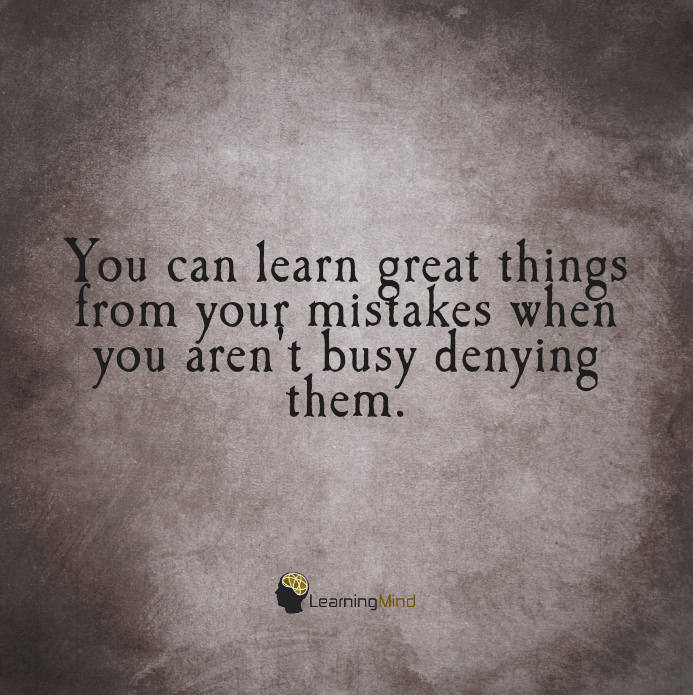
Learning useless things often involves stumbling into unexpected insights. When you dive into a niche topic without the pressure of mastery, you give yourself permission to make mistakes—and those mistakes become gateways to new ideas. The philosopher Bertrand Russell once wrote, “The whole problem with the world is that fools and fanatics are always so certain of themselves, and wiser people so full of doubts.” Useless learning dismantles dogma by reminding us that not knowing is the first step toward discovery.
Knowledge as a Form of Rebellion
Mark Twain’s playful jab at formal education is a rallying cry for those who believe in learning outside the constraints of structured systems. Useless knowledge is often the most rebellious kind—it thrives in the margins, where curiosity isn’t bound by syllabi or exams. Whether you’re teaching yourself the art of origami or the history of memes, you’re carving out a space for intellectual freedom in a world that demands efficiency above all else.
The Hidden Connections in Useless Trivia
This line from Carl Sagan’s *Cosmos* serves as a humbling reminder that the pursuit of useless knowledge often leads to unexpected connections. A random fact about 18th-century fashion might later help you understand a character in a novel, or a deep dive into the mating habits of penguins could spark an idea for a story. The brain is a web of associations, and useless learning is the thread that weaves them together. In this way, even the most trivial knowledge can become a catalyst for creativity.
Learning for the Sake of Wonder
This poetic line from poet Wisława Szymborska captures the weightless yet profound nature of wonder. Useless learning isn’t about accumulating facts; it’s about cultivating a sense of awe. Whether you’re studying the migratory patterns of monarch butterflies or the architecture of abandoned buildings, the act of learning becomes a meditation on the beauty of existence. In a world that often prioritizes utility over joy, wonder is a radical act of defiance.
The Legacy of Useless Knowledge
Dr. Seuss’s famous line takes on new meaning when applied to the joy of learning useless things. The knowledge you gather—no matter how trivial—becomes a map to places you never expected to visit. It might lead you to a deeper appreciation of a hobby, a new way of seeing the world, or even just a good conversation starter at a party. Useless learning isn’t a waste of time; it’s an investment in a richer, more colorful life.
Embracing the Pleasure of Not Knowing
Einstein’s encouragement to never stop questioning is the perfect mantra for those who love learning useless things. The pleasure of not knowing—and the joy of discovery—is what keeps the mind young. So go ahead, dive into that obscure Wikipedia rabbit hole, pick up a book on a topic you’ll never use in real life, or memorize a poem just because it sounds beautiful. The world needs more people who find delight in the useless, because those are the people who keep wonder alive.