In Lois Lowry’s The Giver, the themes of memory and sameness underpin the very structure of the dystopian society she has created. Through evocative quotes, Lowry explores how memory shapes identity and the profound costs of enforced uniformity. These ten quotes not only reveal the emotional depth of the story but also invite readers to reflect on their own understanding of freedom, emotion, and individuality. Each quote carries a shift in perspective, gently peeling back the layers of a world that promises safety but demands conformity.
Memory as a Gateway to Emotion
“The Giver” presents memory as more than just recollections of the past—it is the wellspring of emotion. In a society where feelings are suppressed, the memories passed from The Giver to Jonas crack open the door to real human experience. This quote highlights how reclaiming memory can rekindle empathy and passion in a world built on emotional sterility.
Memories Carry the Weight of Truth
Lowry’s narrative underscores the responsibility that comes with holding memories. This stunning observation reminds us that truths must be preserved despite their pain because they connect us to our collective human history. In the context of “sameness,” memories act as a powerful counterbalance, forbidding forgetfulness and superficial peace.
The Abundance of Good Memories
“There are so many good memories,” The Giver reminded. This quote is a poignant reminder that joy and sorrow are inseparable companions in memory. While the society seeks to remove pain by erasing memories, it is also stripping away the richness of happiness, laughter, and love—highlighting the true cost of sameness.
The Burden of Memory: Knowledge and Isolation
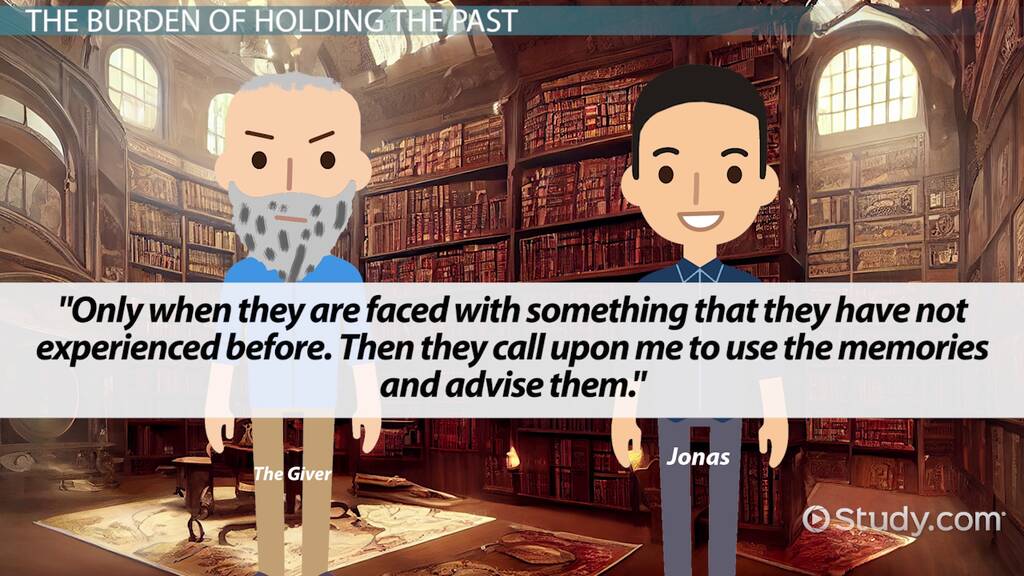
While memories enrich, they also isolate. This quote reflects the loneliness that the Receiver of Memory must endure, carrying the weight of a world unseen by others. It calls attention to the sacrifices involved in holding onto the past and evokes curiosity about the price of such knowledge.
Reclaiming the Spectrum of Experience
Here, the reminder of “so many good memories” invites the reader to envision a world where emotions flow freely, and memories paint life in vivid colors rather than bland uniformity. The quote promises a shift away from control toward authenticity, encouraging one to question the price of peace achieved through sameness.
The Illusion of Sameness and Its Consequences
Lowry challenges the notion that a controlled, uniform society equals peace. Memory serves as a metaphorical rupture in the illusion of sameness, exposing the sacrifices behind enforced stability. This quote invites readers to reconsider what true harmony might be—one lived with complexity, not without it.
Memory as a Burial Ground of the Past
Memories aren’t merely stories; they are the foundations on which identity is built. The Giver’s reflections reveal how a community that buries its past loses more than recollections—it loses humanity. This revelation shifts perspective, suggesting that forgetting is a form of death.
Embracing the Duality of Memory
Lowry’s nuanced portrayal acknowledges that memories are not simply good or bad—they are entwined in a duality of light and shadow. Recognizing this helps to unveil the profound complexity of life itself, moving readers beyond black and white understandings of experience.
The Role of Memory in Freedom
Memory is positioned as essential to true freedom. The inability to remember or experience life fully amounts to subtle control. This quote nudges the reader to question what freedom means if it comes at the cost of emotion and choice, hinting at a deeper longing for autonomy.
Rediscovering Individuality Through Memory
Finally, Lowry’s insights show that memory is integral to individuality. In a society of sameness, memories reclaim uniqueness. This idea sparks curiosity about the power within each person’s story and the irreplaceable value of personal experience.