


Relationships are the ultimate mirror—showing us who we are, what we want, and where we still need to grow. Few comedians have dissected the complexities of love and partnership with as much raw honesty and humor as Chris Rock. His sharp observations cut through the romanticized illusions we hold about relationships, revealing the messy, hilarious, and sometimes painful truths beneath the surface. Whether it’s about the power dynamics in a partnership or the absurdity of modern dating, Rock’s words resonate because they feel uncomfortably familiar. They remind us that love isn’t just about grand gestures; it’s about the daily negotiations, the unspoken rules, and the moments when we realize we’re not as evolved as we thought.
Love is a Battlefield—But Who’s Fighting?
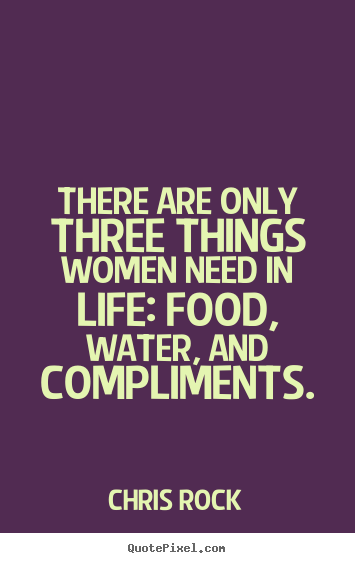
Rock has a way of framing relationships as a high-stakes game where both partners are often playing by different rules. His humor highlights the frustration of trying to navigate love when one person is committed to the fight while the other is just along for the ride. It’s a relatable dynamic—whether you’re the one always initiating the conversation about the future or the one who’s happy to let things unfold without a plan. His jokes strip away the pretense, exposing the power struggles that define so many partnerships. At its core, his message is simple: love isn’t a fairy tale, but it’s still worth the effort.
Men and Women: A Divide That’s Hard to Bridge

One of Rock’s most enduring themes is the fundamental disconnect between how men and women approach relationships. He doesn’t shy away from calling out the stereotypes—men avoiding commitment, women craving emotional security—but he does so with a wink that suggests he’s just as guilty as the next person. His observations about gender dynamics aren’t just funny; they’re a mirror for how society shapes our expectations of love. Whether he’s joking about the “friend zone” or the pressure to propose after a certain number of dates, Rock’s words resonate because they tap into universal frustrations. The takeaway? Relationships thrive when both parties acknowledge these differences instead of pretending they don’t exist.
The Illusion of “Happily Ever After”
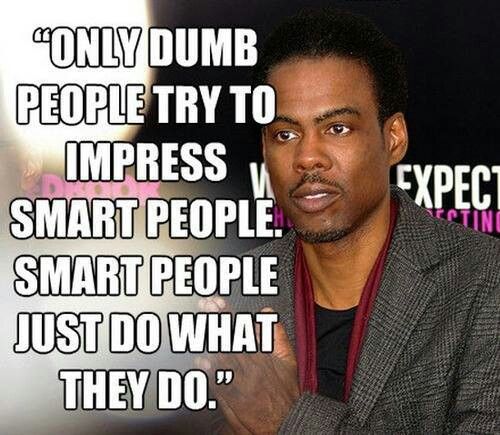
Rock has a knack for puncturing the fantasy of perfect love. His jokes about marriage often revolve around the idea that “happily ever after” is just a temporary illusion before reality sets in. He pokes fun at the pressure to maintain a flawless relationship while ignoring the mundane, sometimes frustrating aspects of long-term commitment. But here’s the twist: his humor isn’t cynical—it’s liberating. By laughing at the absurdity of romantic ideals, he reminds us that relationships are about progress, not perfection. The real magic isn’t in avoiding conflict; it’s in learning to dance through it together.
Commitment: The Ultimate Test of Maturity

Few things frustrate Rock more than the idea of people staying in relationships out of fear or obligation rather than genuine desire. His jokes about commitment often highlight the cowardice of prolonging a partnership that’s gone stale, whether it’s staying with someone for the wrong reasons or avoiding the conversation about where the relationship is headed. His bluntness is refreshing—it forces us to confront the uncomfortable truth that sometimes, walking away is the bravest thing you can do. Yet, he also acknowledges the courage it takes to commit when it *does* feel right. The balance between these two truths is where real growth happens.
The Double Standard of “Nice Guys”
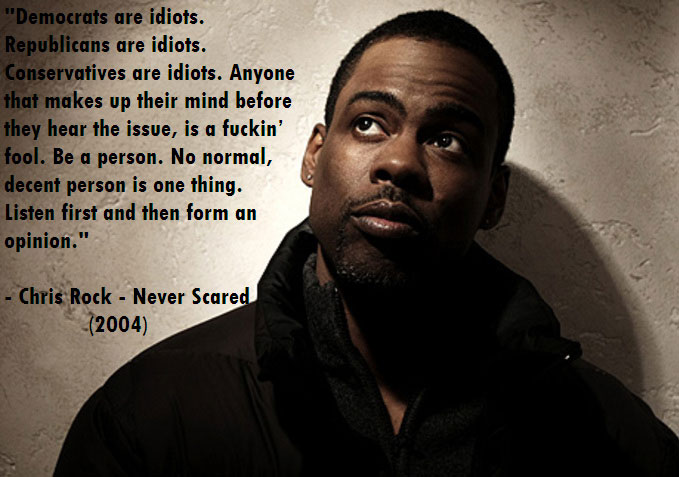
Rock has never been afraid to call out the hypocrisy in how society views “nice guys” versus those who play the game. His jokes about men who think being decent should automatically earn them love are both hilarious and biting. He challenges the idea that kindness alone should be enough to secure a relationship, pointing out that sometimes, the people who get ahead are the ones who play the system. But here’s the kicker: his humor also serves as a reality check. It’s not about manipulating others; it’s about understanding that relationships require more than just good intentions. The real “nice guys” (and gals) are the ones who are honest about their needs and boundaries.
