Have you ever wondered why we humans are so irresistibly drawn to stories? What if storytelling is not just a pastime but an essential part of who we are? Salman Rushdie, a masterful storyteller himself, offers us insightful reflections on this very idea. Let’s dive into ten compelling quotes from Rushdie about storytelling that might just challenge the way you think about stories—and maybe even inspire you to tell your own.
The Essence of Our Nature
“We are the storytelling animal.” This powerful declaration puts forward a simple yet profound concept: storytelling is intrinsic to our nature. Could it be that our very identity depends on the tales we share? Perhaps stories are the fabric from which our lives and cultures are woven, constantly shaping how we see ourselves and others.
Beyond Mere Entertainment

Stories are often dismissed as mere entertainment, but Rushdie nudges us to look deeper. Stories carry memories, wisdom, and warnings wrapped in engaging narratives. They challenge us to think differently and understand the complexities of life. So, next time you hear a story, ask yourself—what truth is hiding beneath the surface?
Stories as Bridges Through Time
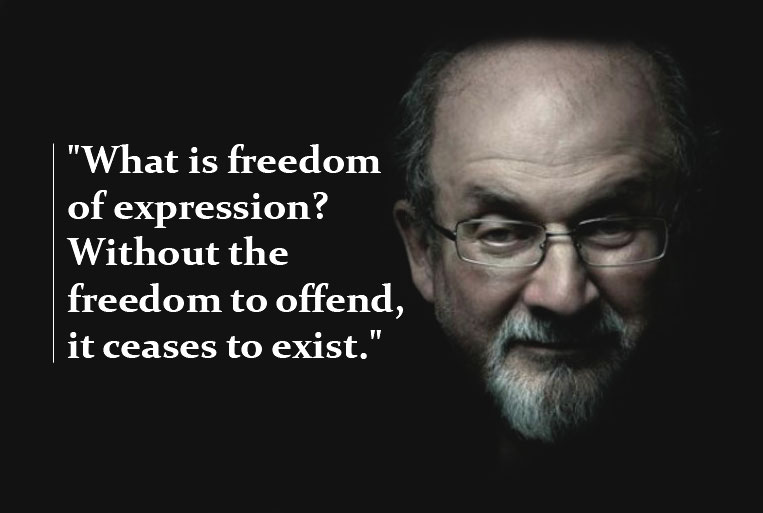
Stories connect generations, passing knowledge like a sacred flame. Rushdie’s reflections remind us that every tale told today is a continuation of those told long before us. Isn’t it intriguing to think that you might be part of an endless chain of storytellers who have shaped human civilization?
The Challenge of Truth in Storytelling
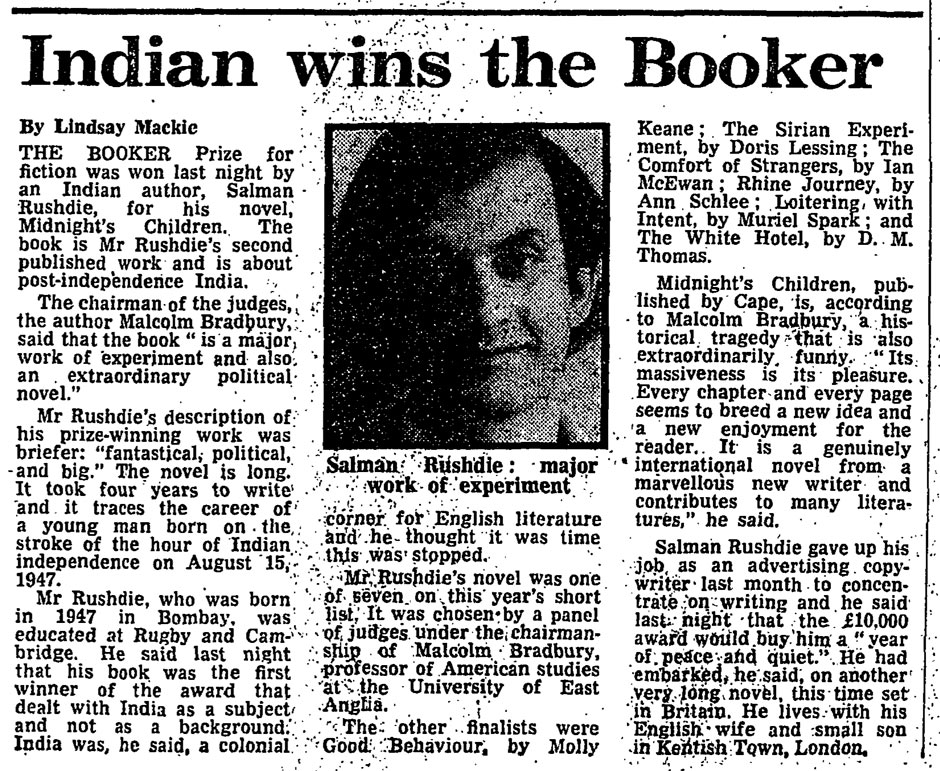
War and conflict invariably seep into stories, making truth a slippery concept. Rushdie hints at the challenge: how do storytellers navigate the messy terrain of facts, fiction, and perspective? This raises a playful challenge—can you tell a story that remains truthful while captivating an audience?
Reclaiming the Power of Stories
Returning to Rushdie’s bold assertion, the storytelling animal isn’t passive. Stories can be rebellious, revolutionary, or restorative. They hold the power to reclaim voices, redefine realities, and reshape futures. Would you accept the challenge to wield stories as tools not just for pleasure but for profound change?