The heat is more than just a weather condition in Chester Himes’ world—it’s a living, breathing force that shapes lives, fuels tensions, and exposes raw truths. Through his sharp prose and vivid metaphors, Himes transforms the oppressive Southern heat into a character as compelling as any protagonist. His words don’t just describe the temperature; they reveal the simmering frustrations, the unspoken resentments, and the inevitable confrontations that arise when the world feels like it’s boiling over. Here are ten quotes that capture the essence of Himes’ fiery, unflinching perspective on the heat’s relentless grip.
The Heat as a Mirror of Human Tension
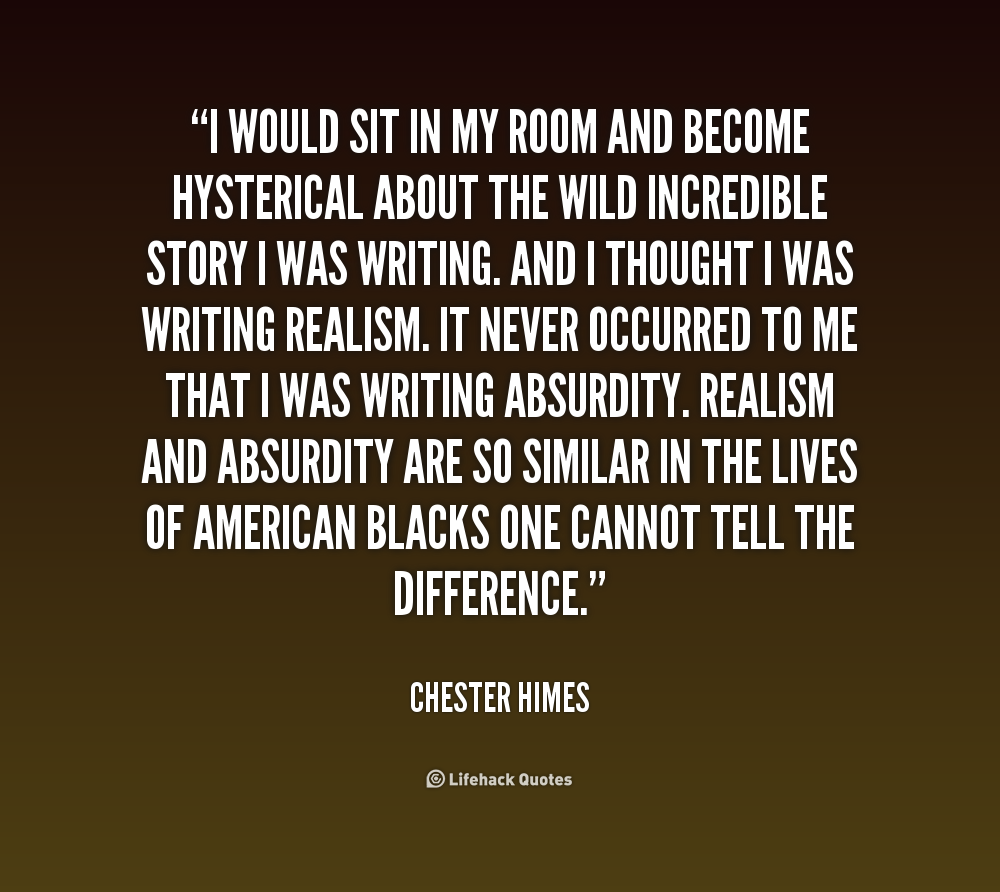
The heat doesn’t just linger—it watches. In Himes’ world, it becomes a silent witness to the quiet desperation of those trapped in its unrelenting embrace. It doesn’t ask permission to suffocate; it simply does. This metaphorical heat mirrors the internal pressures that build within individuals until they can no longer be ignored. It’s the kind of tension that doesn’t announce itself with fanfare but instead seeps into every conversation, every glance, and every unspoken word. The heat becomes a force that doesn’t just exist in the air—it exists in the spaces between people, where emotions fester and conflicts brew.
When the Air Itself Becomes a Weapon
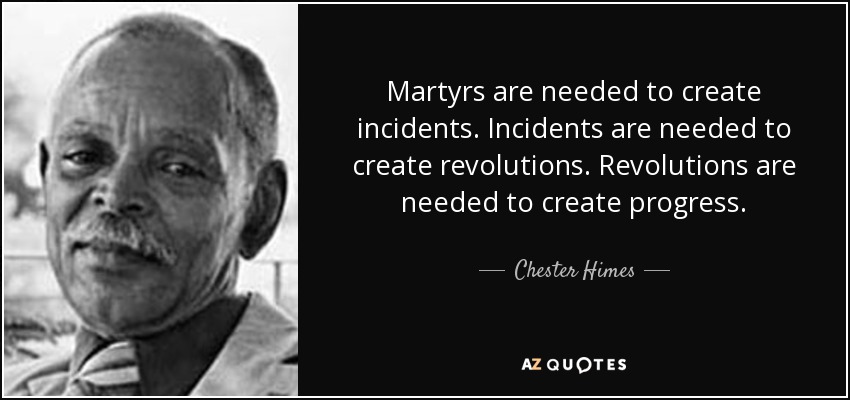
There’s a violence to the heat that Himes captures with chilling precision. It’s not just uncomfortable—it’s oppressive, a relentless force that presses down until even the strongest spirits feel their resolve weakening. The air becomes thick with the weight of unspoken grievances, and every breath feels like a struggle. This isn’t the kind of heat that passes with the setting sun; it’s the kind that lingers, that gnaws at the edges of sanity until something has to give. In Himes’ hands, the heat isn’t just a backdrop—it’s an active participant in the drama, a catalyst for the explosions that follow.
The Heat That Exposes What Lies Beneath
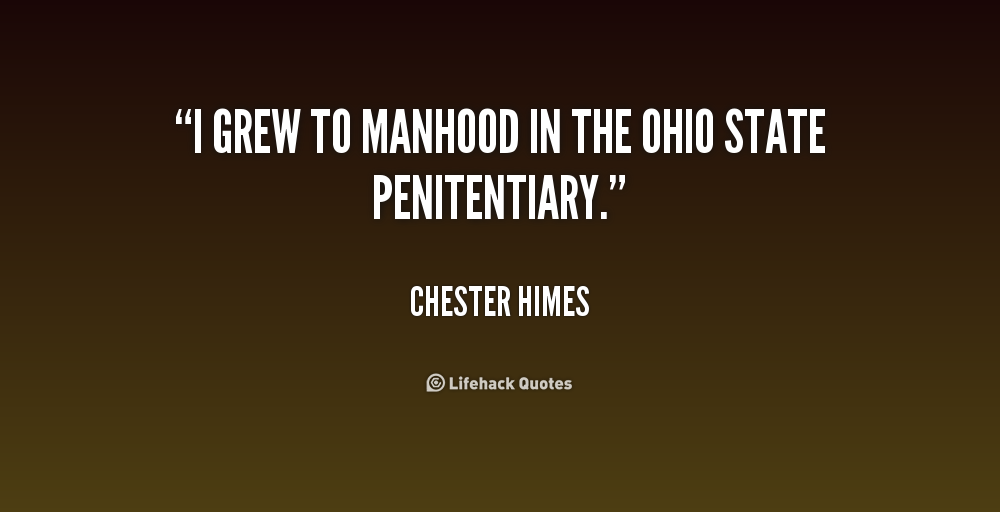
Under the scorching sun, facades crumble. Himes understood that the heat doesn’t just test the body—it strips away the layers of pretense that people wear so carefully. In its glare, truths are revealed, secrets surface, and the masks people hide behind melt away. This is the heat that forces characters to confront who they really are, not who they pretend to be. It’s the kind of heat that doesn’t just make you sweat—it makes you question everything, from your choices to your loyalties. In Himes’ world, the heat is the ultimate truth-teller, exposing the raw, unfiltered reality that lies beneath the surface.
The Heat That Fuels the Fire of Rebellion

There’s a point where the heat stops being just a physical burden and becomes something far more dangerous—a spark. Himes captures this moment with unmatched clarity, showing how the relentless pressure of the heat can ignite the flames of rebellion. It’s not the heat itself that causes the explosion, but the way it forces people to their limits, to the breaking point where action becomes inevitable. This is the heat that doesn’t just make you uncomfortable—it makes you angry, restless, and ready to fight back. In Himes’ stories, the heat isn’t just a setting; it’s the catalyst for change, the force that pushes characters to rise up and demand more from a world that has given them too little.
The Heat That Lingers Long After the Sun Sets

The heat in Himes’ world doesn’t fade with the setting sun. It lingers, a persistent reminder of the pressures that never truly lift. It’s the kind of heat that seeps into your bones, that haunts your thoughts long after the day has ended. This isn’t the fleeting warmth of a summer afternoon—it’s the oppressive, inescapable force that shapes destinies. In Himes’ hands, the heat becomes a metaphor for the burdens that people carry, the injustices they endure, and the resilience they must summon just to survive. It’s a heat that doesn’t just test your strength—it defines it.