What if the real secret to success isn’t avoiding failure at all, but mastering the art of learning from it? Society has long romanticized success—celebrating its milestones, sharing its triumphs, and measuring self-worth by its achievements. But what if we’re missing the bigger lesson in the bruises, setbacks, and detours along the way? Failure isn’t the opposite of success; it’s its unspoken architect. It’s the messy, uncomfortable raw material that forges resilience, creativity, and depth. This isn’t just philosophizing for philosophers—it’s a hard-won truth echoed by those who’ve dived into the depths and surfaced wiser. Here are 10 quotes that challenge the mythos of success while illuminating the hidden intelligence of failure.
—
Failure isn’t your enemy—it’s your first lesson in success
The illusion of effortless success is just that—an illusion. Every breakthrough in science, art, or innovation has been built on something shattered, rejected, or deemed impossible. These quotes remind us that failure isn’t an endpoint, but a detour with signposts pointing toward unexpected growth.
> *”Our greatest glory isn’t in never falling, but rising every time we do.”*
This statement isn’t about avoiding the fall—it’s a declaration that the process of getting back up is where the true transformation occurs. It frames failure as part of the journey, not a distraction from it. Because when you land again, you’re stronger if you’ve learned to read the terrain better this time.
—
When success waits silently, failure speaks aloud

We live in a culture that measures success by the speed of the ascent, but what if the real education happens during the descent? These words challenge the idea that failure is a punishment to hurdle. In reality, it’s a feedback loop—one that sharpens skills, tests limits, and forces innovation.
> *”Success is not final, failure is not fatal: It is the courage to continue that counts.”*
Here, failure becomes a prerequisite for growth, not a justification for giving up. The key lies in discerning how failure exposes what truly matters: not the achievement itself, but the tenacity to persist. It’s in this willingness to continue, despite the noise of doubt, that the best versions of ideas or self surface.
—
Success is a byproduct, not the reward
The obsession with success often overshadows the process itself—only focusing on the destination rather than the road that got you there. But without failure, there’d be no innovation, no second chances, no creative pivots. This quote and others like it reposition failure as a sacred step, not a setback.
> *”I’ve missed more than 9000 shots in my career. I’ve lost almost 300 games. 26 times I’ve been trusted to take the game-winning shot and missed. I’ve failed over and over. That’s why I succeed.”*
Failure, in this light, is the raw material of success—not a detour, but the path itself. When you shift your gaze from the outcome to the process, failure loses its sting and reveals its power: it’s the crucible where resilience, intuition, and wisdom are hammered into existence.
—
What failure unveils that success cannot
Success speaks of accomplishment, but failure whispers lessons that the brightest moments never do. It’s in the unraveling of a grand project, the crunch of a missed opportunity, or the disillusionment with a dream that we learn what we’re truly made of. These quotes don’t just honor failure—they turn it into an exploration of self.
> *”No matter how many mistakes you make, you’re still one step closer to the right answer.”*
Ever notice how success often feels insubstantial when you’re chasing it—like a treasure that disappears when you pick it up? Failure’s lessons, however, stick. They become the unspoken wisdom that informs your next step. What’s the difference between success and failure? The former often teaches certainty; the latter, humility.
—
Success requires a history of failure
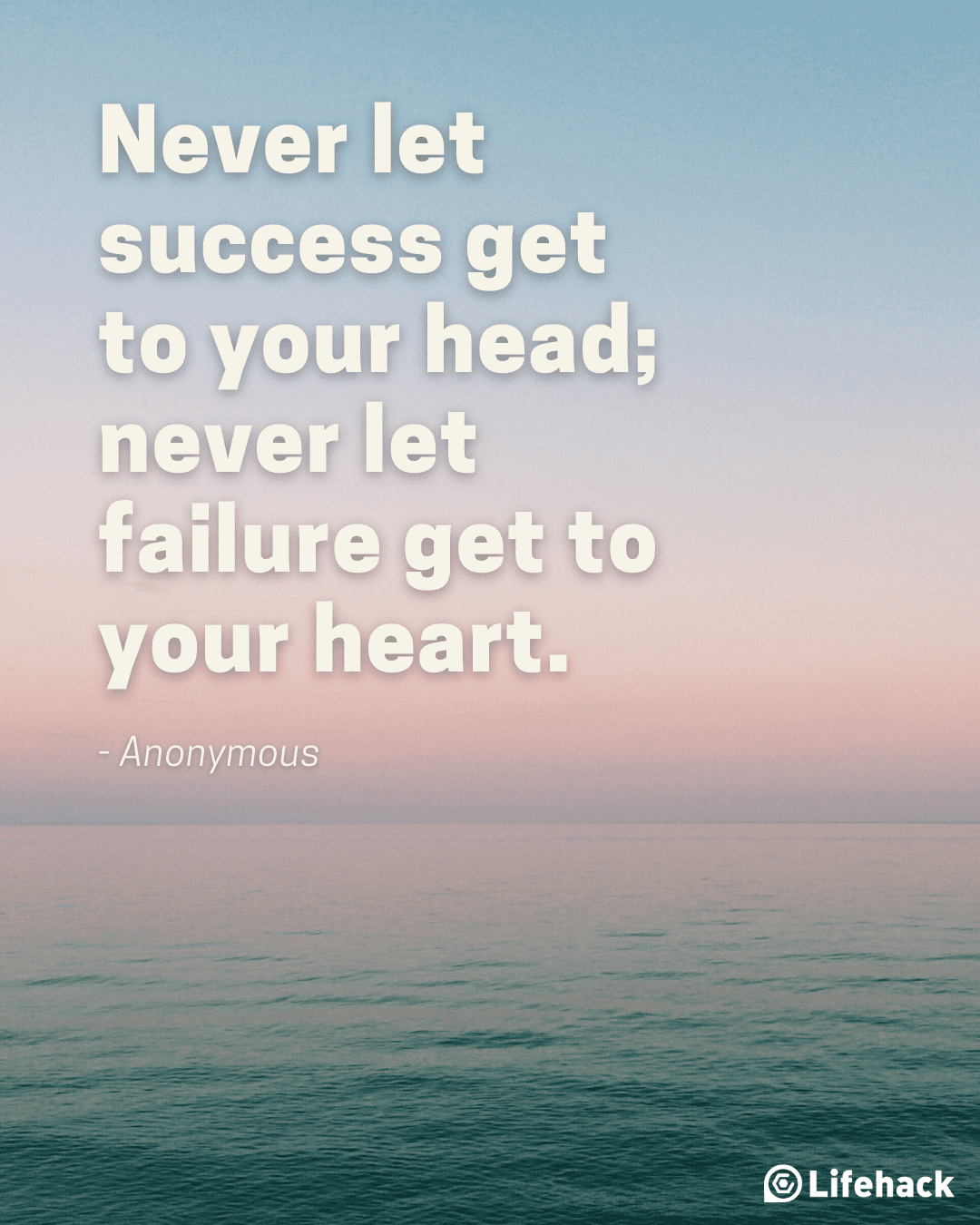 *”If you can’t fail, you can’t grow.”*
Growth is impossible without friction. The fear of failure blocks creativity because creativity, by nature, is experimental—it guesses, it stumbles, and only then does it achieve clarity. Success that isn’t rooted in repeated attempts and adaptations is shallow. The depth comes from the mess beneath.