Sunflower seeds are more than just a humble snack—they are a canvas for rebellion, a symbol of resilience, and a mirror to society’s contradictions. Ai Weiwei, the Chinese artist and activist, transformed these tiny kernels into a monumental statement with his iconic installation *Sunflower Seeds* (2010). Each seed, meticulously crafted from porcelain, became a metaphor for individuality within collective struggle, challenging viewers to confront power, consumption, and identity. Below, we explore ten powerful quotes from Weiwei that unravel the layers of meaning behind his work and activism.
The Weight of a Thousand Seeds: On Individuality and Collectivity
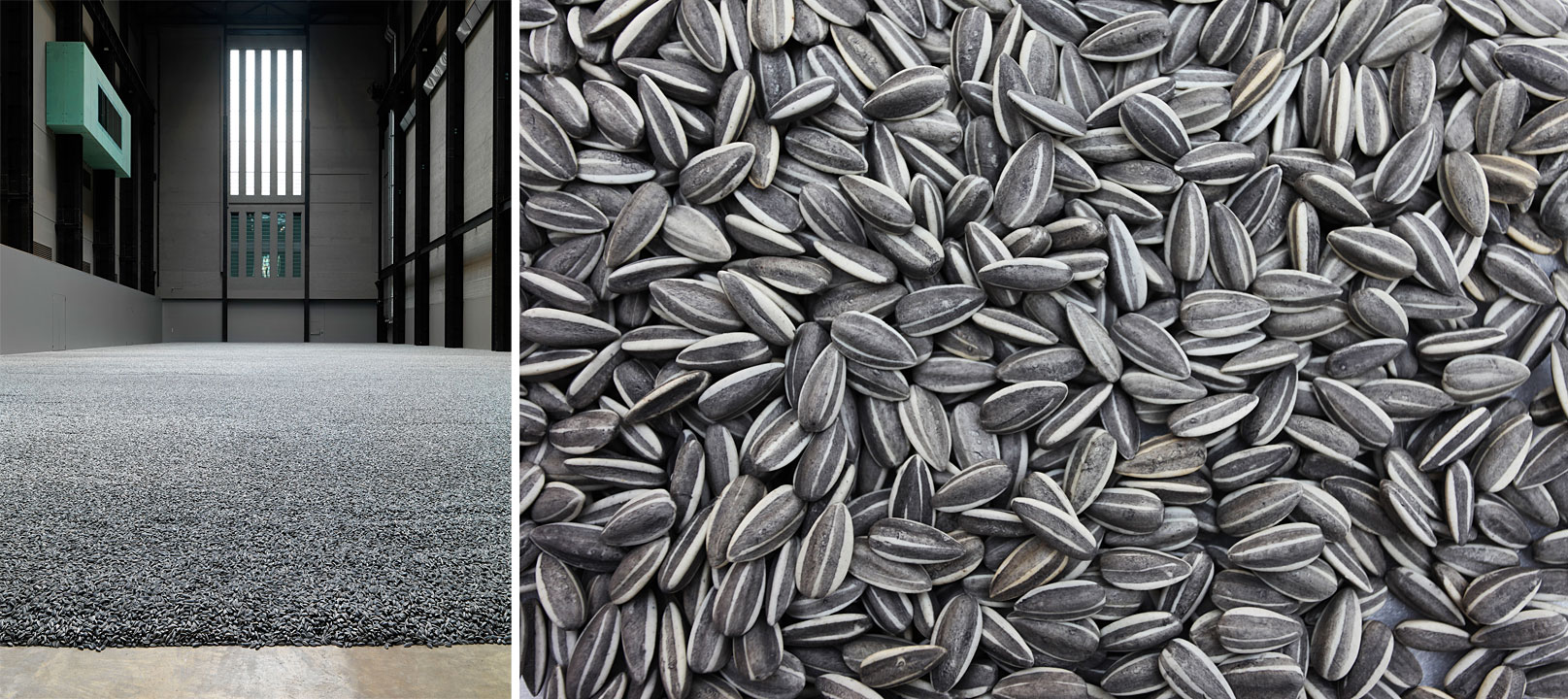
Weiwei once remarked, “Each seed is identical, but together they form a field of infinite possibilities.” This duality—where the individual is both unique and part of a vast, indistinguishable mass—echoes the tension between personal agency and systemic control. In *Sunflower Seeds*, the porcelain replicas, though identical in appearance, each bear the fingerprints of the artisans who made them, subtly reclaiming the human touch erased by mass production.
A Metaphor for Survival: “We Were All Sunflowers”
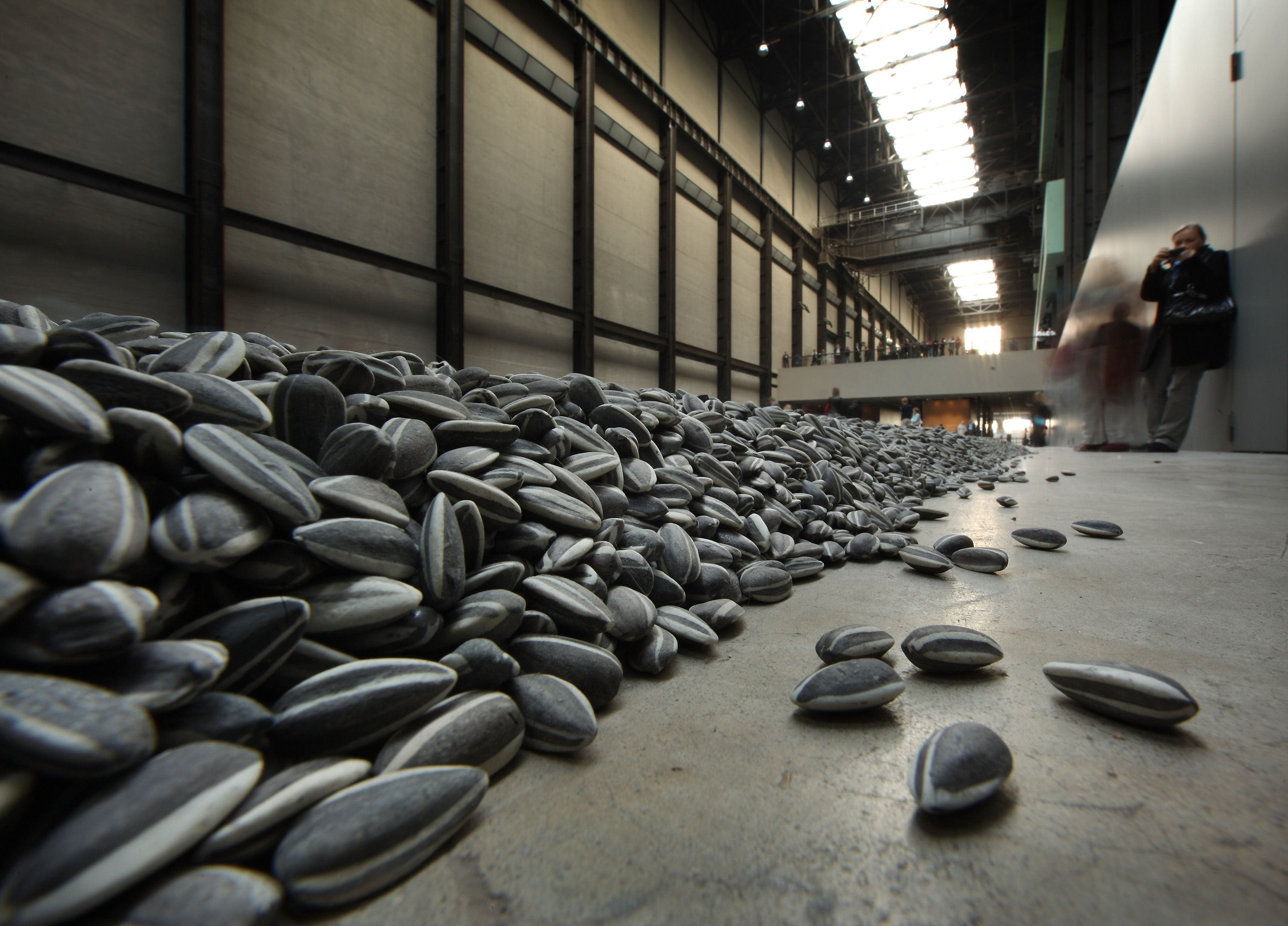
During China’s Cultural Revolution, sunflower seeds were a rare source of nourishment for many. Weiwei reflects, “We were all sunflowers, turning our faces toward the sun, hoping for a better tomorrow.” The seeds symbolize both scarcity and hope, a reminder that even in oppression, people find ways to thrive. This historical lens transforms the installation from a static art piece into a living testament to endurance.
The Illusion of Uniformity: “The Seeds Are Not What They Seem”

Weiwei’s work often plays with perception. He notes, “The seeds look the same, but they are not. They are fragile, yet they fill the room.” This paradox underscores how systems—whether political or economic—rely on the illusion of uniformity to maintain control. By exposing the fragility beneath the surface, Weiwei invites us to question the narratives we’re fed and the truths we overlook.
Art as a Weapon: “Creativity Is the Most Powerful Tool”
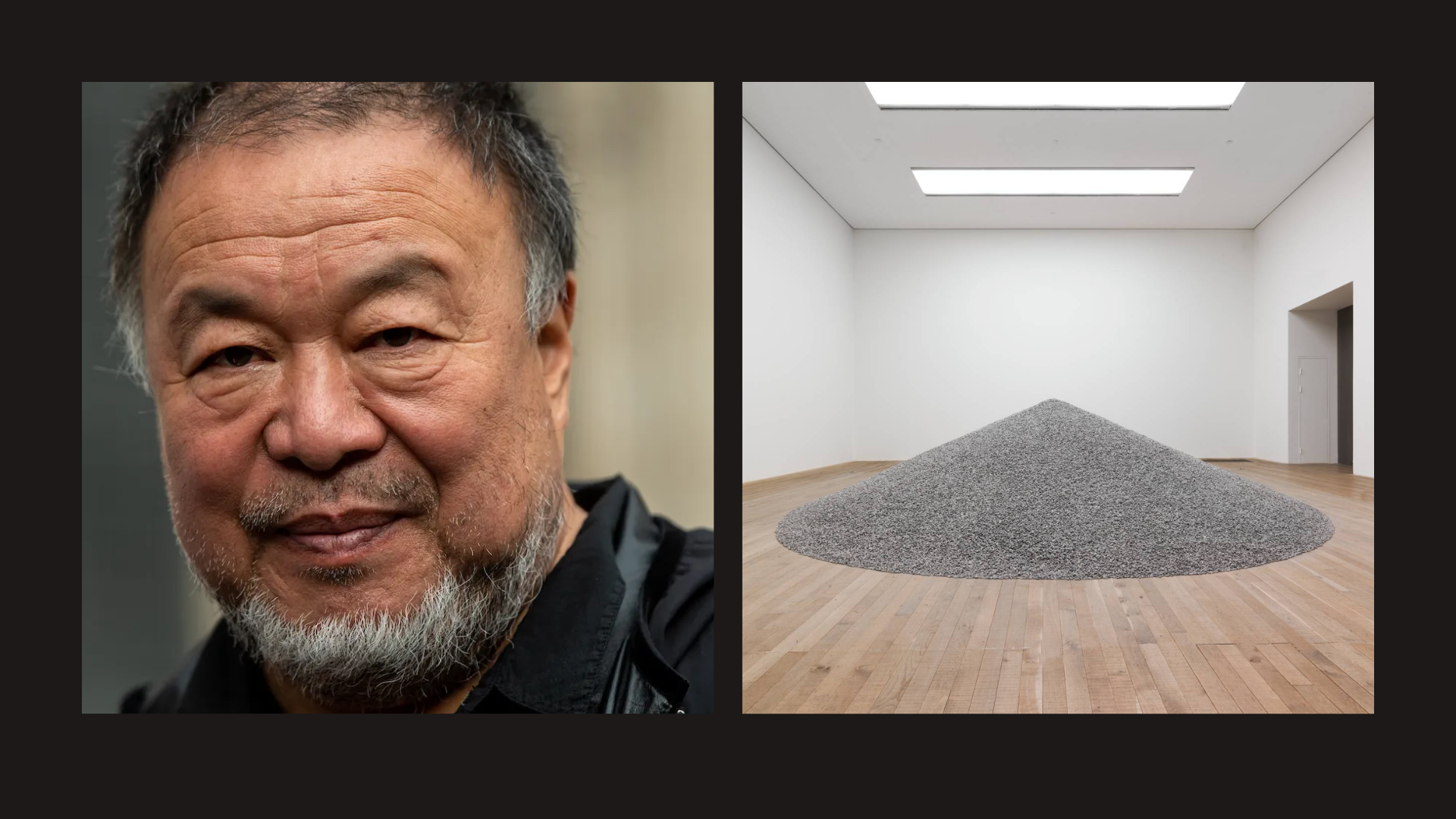
For Weiwei, art is not just aesthetic—it’s a form of resistance. “Creativity is the most powerful tool we have,” he asserts. *Sunflower Seeds* was a direct challenge to censorship, a way to bypass state-controlled narratives. The sheer scale of the installation—100 million seeds—mirrors the overwhelming force of collective action, proving that even the smallest acts can disrupt the status quo.
The Politics of Consumption: “Who Eats the Seeds?”

Weiwei interrogates consumption with a sharp question: “Who gets to eat the seeds?” The porcelain seeds, though inedible, critique the commodification of culture and labor. In a globalized world, where goods are produced in one place and consumed in another, the installation becomes a biting commentary on exploitation and the devaluation of human effort.
Memory and Forgetting: “The Past Is Never Buried”
History, Weiwei suggests, is not something we can simply walk away from. “The past is never buried,” he says. *Sunflower Seeds* forces viewers to confront China’s traumatic past while acknowledging its lingering presence in the present. The seeds, scattered and trodden upon, become a metaphor for historical memory—something we can’t ignore, no matter how hard we try to step over it.
The Artist’s Role: “Art Must Provoke”
Weiwei doesn’t believe in art that merely decorates. “Art must provoke,” he insists. *Sunflower Seeds* did exactly that—sparking debates about censorship, labor, and national identity. By turning a mundane object into a site of confrontation, Weiwei redefined what art could achieve: not just beauty, but a catalyst for change.
Silence as Complicity: “If You Stay Silent, You Are Part of the Problem”
Weiwei’s activism is rooted in the belief that silence is complicity. “If you stay silent, you are part of the problem,” he declares. The *Sunflower Seeds* installation, with its overwhelming presence, demands that viewers take a stance—whether they choose to engage with the issues it raises or turn away, complicit in their indifference.
The Future of the Seed: “What Will Grow from This Field?”
As Weiwei’s seeds scatter across the gallery floor, they leave viewers with a final question: “What will grow from this field?” The answer, he implies, is up to us. Will we let the seeds remain porcelain relics, or will we plant them in the soil of our own lives, nurturing the ideas they represent? In a world where conformity is often rewarded, Weiwei’s work reminds us that true growth begins with defiance.