


Ever wondered if happiness is something you stumble upon or something you actively craft through virtue? Aristotle seems to think it’s the latter. But here’s the playful challenge: can you embody these timeless virtues in your daily life without turning into a philosopher monk? Let’s dive into 10 profound quotes from Aristotle’s Nicomachean Ethics that shed light on virtue and happiness, each paired with a vivid image to inspire your journey.
Finding the Balance of Virtue

Aristotle famously said virtue lies in finding the mean between excess and deficiency. Imagine life as a tightrope walk — one false move toward too much or too little, and you could lose your footing. This quote challenges us to seek balance, a harmony that cultivates true happiness. Are you walking your own virtuous tightrope today?
Virtue Forms Through Habit
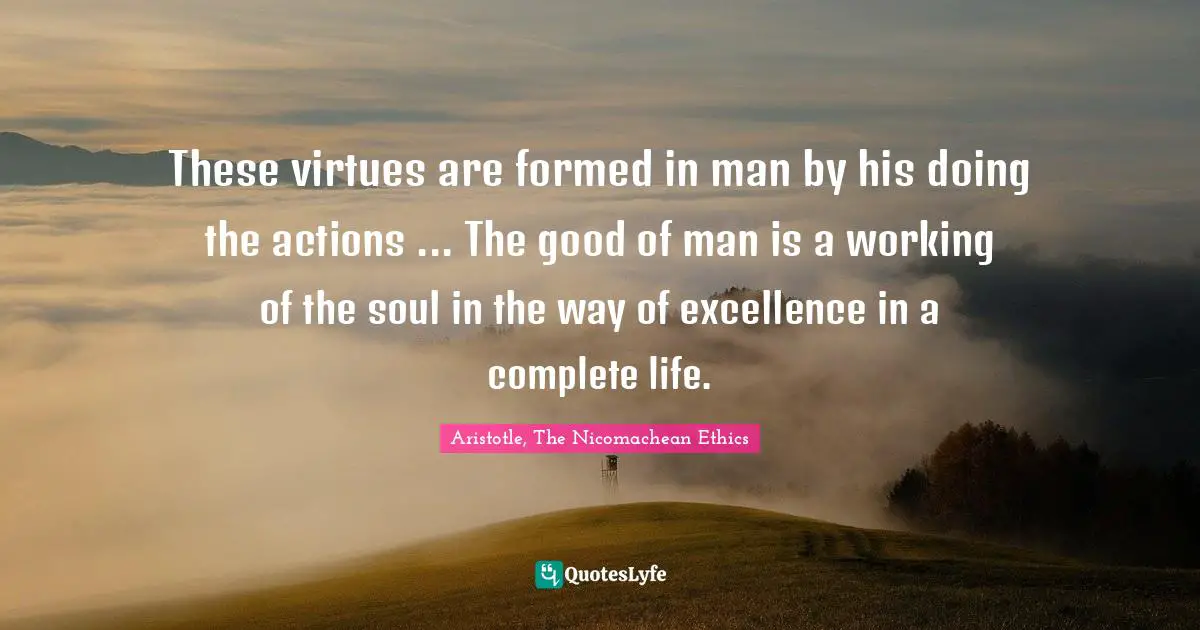
“These virtues are formed in man by his doing the actions,” Aristotle reminds us. Virtue isn’t an abstract ideal but a practical result of consistent behavior. This perspective flips the challenge to action: can you create virtue by simply practicing it regularly? It’s less about perfection and more about persistence.
The End Goal: Happiness

According to Aristotle, every action aims at some good, and the highest good is happiness, or eudaimonia. But happiness, he argues, isn’t a fleeting feeling; it’s an all-encompassing flourishing of the human soul aligned with virtue. This idea challenges the modern quick-fix notions of happiness and invites a deeper, more sustainable pursuit.
Self-Mastery through Reason

Aristotle teaches that virtue is not just about external actions but about cultivating the right character through reason. Mastering oneself requires thoughtful reflection and conscious choice. This invites a tough question: Are you the master of your impulses, or do they master you?
Ethics Rooted in Everyday Life

Virtue ethics is not reserved for heroes or sages; Aristotle grounded it in common life. He believed that everyday choices and habits are where virtue is forged. So here’s a playful nudge: can your daily routines be your ethical training ground? If so, how might your ordinary moments become extraordinary?
