Erich Fromm’s seminal work, Escape from Freedom, delves deeply into the complexities of freedom, authority, and the human psyche. Throughout the book, Fromm explores how individuals respond to freedom and why some may choose to escape it through authoritarianism. This article highlights 10 powerful quotes from Escape from Freedom that shed light on the nature of authoritarianism, providing insightful reflections on obedience, power, and individuality.
The Roots of Authoritarian Escape
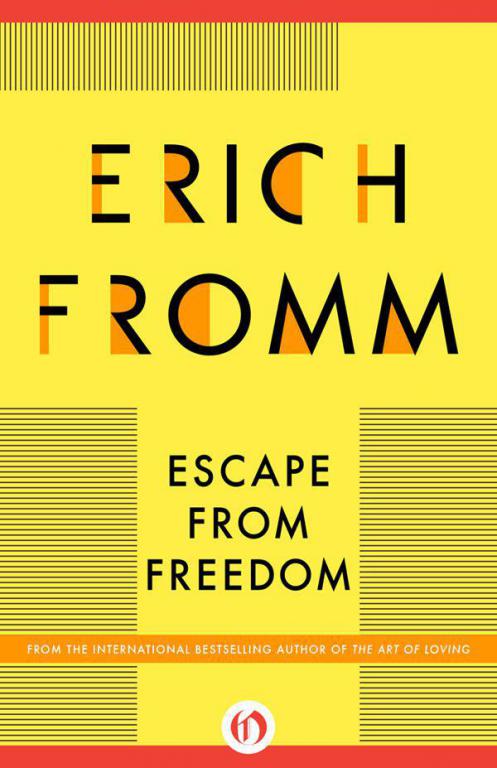
Fromm explains that authoritarianism often arises as a psychological escape from the burdens of freedom. When individuals feel overwhelmed by the responsibilities freedom brings, they may seek refuge in submission to higher powers. This dynamic is crucial in understanding why authoritarian systems often gain appeal, despite the sacrifice of personal liberty.
Authoritarianism as a Psychological Phenomenon

Freedom, according to Fromm, does not simply signify the absence of external control but involves a deeper psychological state. The fear of this internal freedom pushes some individuals toward authoritarianism, where their identity is fused with obedience, thus escaping the isolation freedom can impose.
The Illusion of Safety in Submission
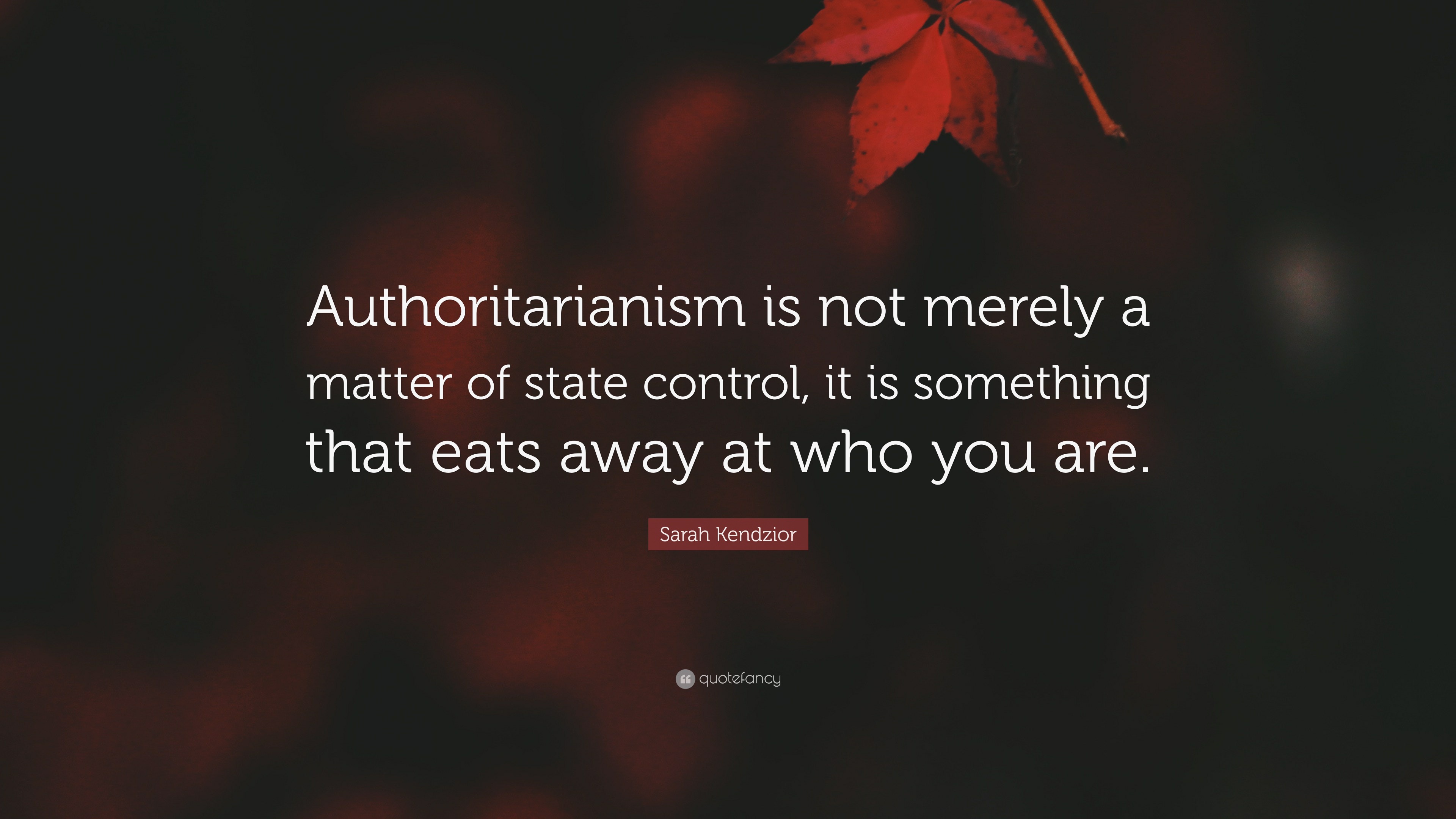
This quote underscores a key idea echoed by Fromm: authoritarianism promises safety and certainty, yet it is far more than just a political structure. It is an emotional and psychological condition where individuals trade freedom for the comfort of conformity and control.
Freedom’s Dual Edges
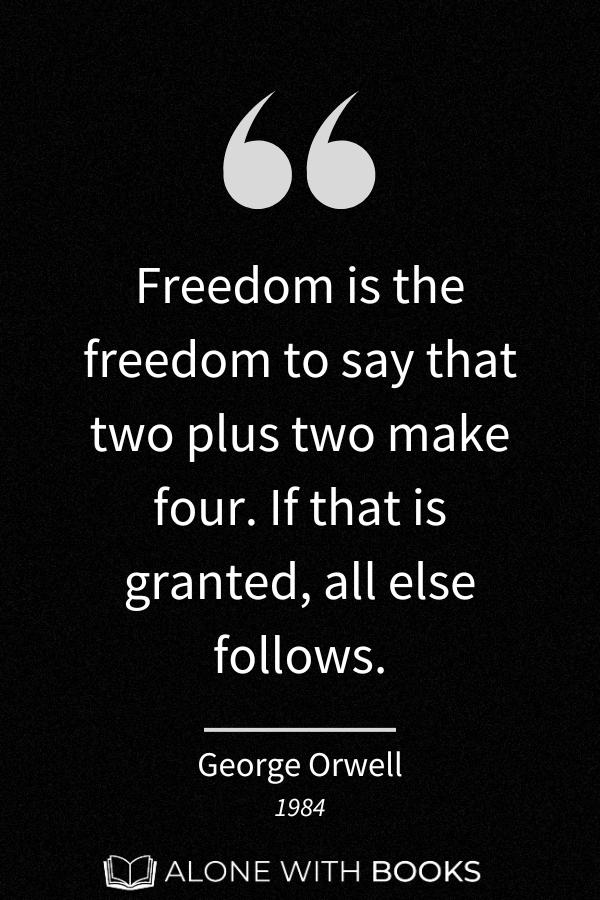
Fromm argues that freedom itself is paradoxical — it brings both opportunity and anxiety. This tension can push individuals towards authoritarianism as a coping mechanism, as seen in dystopian narratives like “1984,” where power and freedom are in constant conflict.
The Danger of Passive Obedience
Authoritarianism thrives when people give up critical thinking and passively obey orders. Fromm warns that this relinquishing of personal responsibility can lead to the rise of oppressive regimes, fueled by individuals’ desire to escape the complexity of freedom.
Individuality Under Siege
In authoritarian structures, individuality is often suppressed. Fromm reveals how the loss of self leads to increased conformity, where people no longer express personal beliefs but adopt the collective mindset, thus perpetuating authoritarian ideals.
The Role of Social Structures in Authoritarianism
Fromm illustrates that social and economic conditions significantly influence one’s propensity for authoritarianism. Conditions of alienation, insecurity, and isolation make individuals more susceptible to authoritarian leaders who promise order and stability.
Freedom and Its Discontents

Freedom can be threatening because it demands responsibility and self-awareness. Fromm emphasizes that the “escape from freedom” is an attempt to avoid these often uncomfortable demands by submitting to external authority, which offers guidance but costs autonomy.
The Cycle of Authority and Submission
Authoritarianism is not a static condition but a dynamic cycle. Fromm points out how the interplay between the desire for authority and the fear of isolation shapes much of human social behavior, creating patterns where submission and control continuously feed into one another.
Hope Beyond Authoritarianism
Despite the dangers posed by authoritarianism, Fromm ultimately offers hope, arguing that true freedom requires courage and critical thinking. By embracing individuality and resisting the allure of oppressive systems, societies and individuals can break free from the psychological chains of authoritarianism.