The Bank War was one of the most contentious political battles of Andrew Jackson’s presidency, pitting the populist president against the powerful Second Bank of the United States. Jackson, a staunch opponent of centralized financial institutions, saw the bank as a tool of the wealthy elite that threatened the rights of ordinary citizens. His fiery rhetoric and decisive actions reshaped American finance and left a lasting legacy. Below are 10 powerful quotes from Andrew Jackson about the Bank War, each paired with historical context to illuminate his perspective.
The Bank is a Monster That Must Be Destroyed
Jackson’s most famous declaration about the Second Bank of the United States was his assertion that it was a “hydra of corruption” and a “monster” that threatened the republic. This quote, often paraphrased, reflects his deep-seated belief that the bank concentrated too much power in the hands of a few, undermining democracy. His resolve to dismantle it led to the famous veto of the bank’s recharter in 1832, a move that cemented his reputation as a champion of the common man.
I Kill the Bank
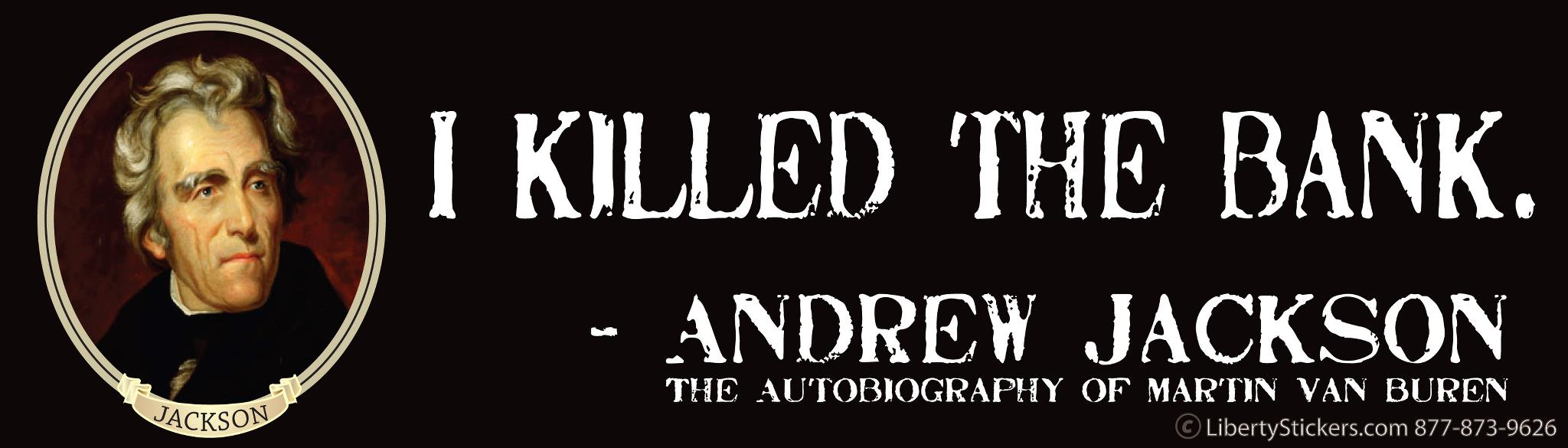
This blunt statement captures Jackson’s unapologetic stance against the bank. After vetoing its recharter, he famously declared, “The bank is trying to kill me, but I will kill it!” His defiance was not just political theater—it was a direct challenge to the financial establishment. By withdrawing federal funds from the bank and depositing them into state-chartered “pet banks,” Jackson accelerated the bank’s demise and set the stage for a decentralized banking system.
The Bank Favors the Rich Over the Poor
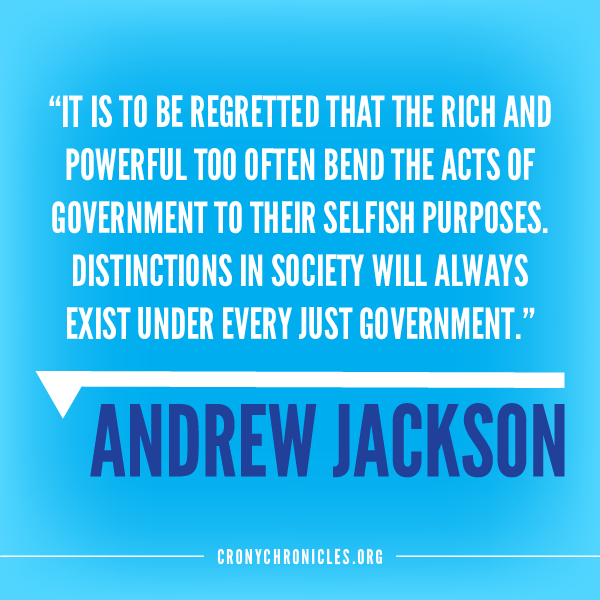
Jackson frequently argued that the Second Bank of the United States operated for the benefit of wealthy merchants, industrialists, and foreign investors, while burdening farmers, laborers, and small business owners with debt and instability. His populist rhetoric framed the bank as an instrument of inequality, arguing that its policies enriched elites at the expense of the working class. This perspective resonated deeply with his base and fueled his crusade against centralized financial power.
The Constitution Does Not Grant Congress the Power to Create Such a Bank

In his veto message for the bank’s recharter, Jackson argued that the Constitution did not authorize Congress to establish a national bank. His strict interpretation of the Constitution clashed with the “loose constructionist” views of his opponents, including Chief Justice John Marshall, who had upheld the bank’s constitutionality in McCulloch v. Maryland. Jackson’s stance reflected his broader skepticism of federal power, a theme that defined much of his presidency.
The Bank is a Tool of Foreign Influence
Jackson also warned that the Second Bank of the United States was vulnerable to foreign control, particularly by British investors. He believed that allowing foreign interests to hold significant stakes in the bank posed a threat to American sovereignty. This argument resonated with a public wary of European entanglements and reinforced his case for dismantling the institution. His fears, while partly exaggerated, tapped into broader anxieties about national independence.
The Bank’s Paper Money is a Danger to the Republic
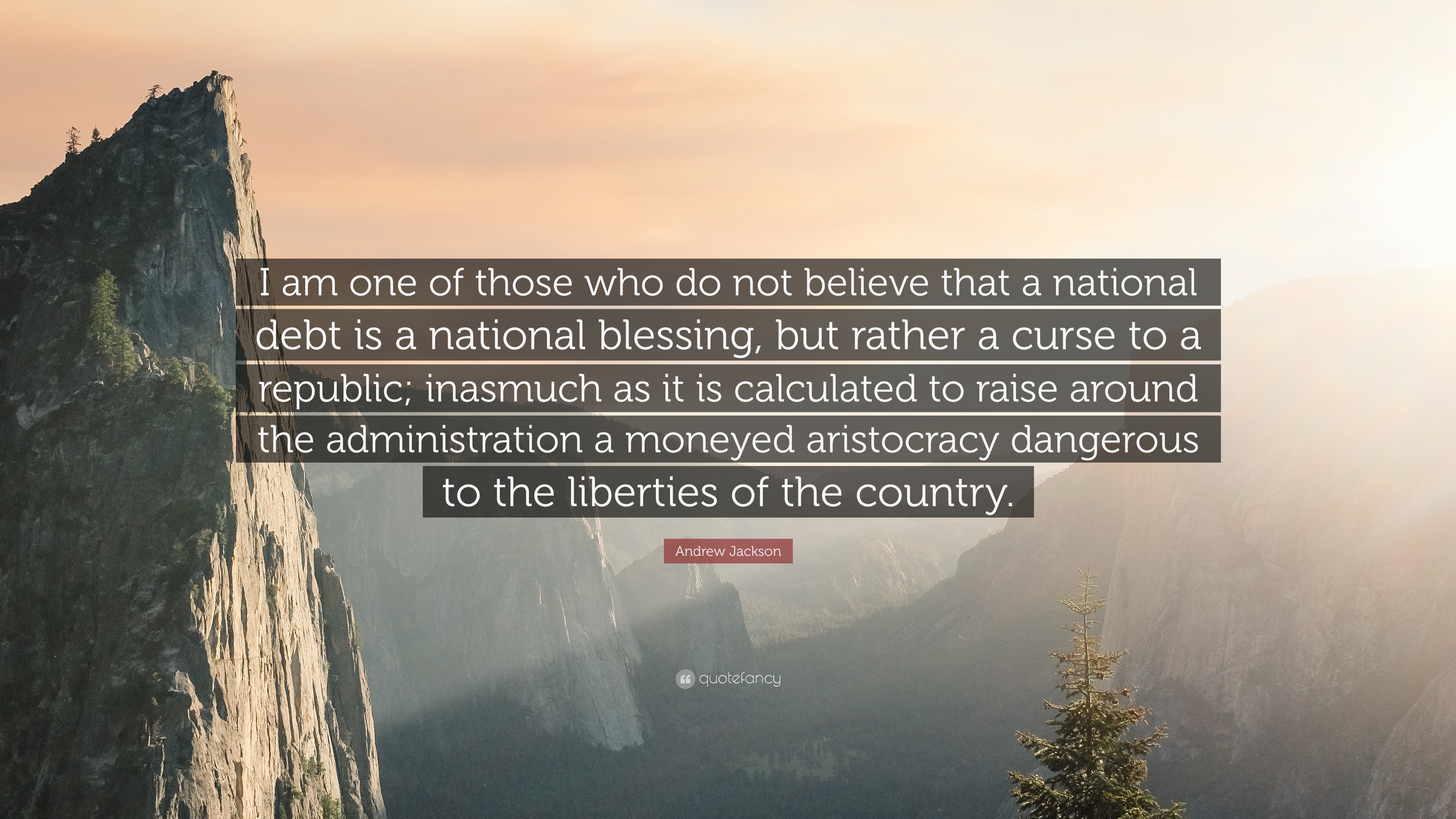
Jackson distrusted paper money issued by banks, viewing it as inherently unstable and prone to inflation. He preferred hard currency—gold and silver—as a more reliable medium of exchange. His opposition to the bank’s paper money system was rooted in his belief that it enriched speculators while impoverishing honest laborers. This preference for specie payments later contributed to the Panic of 1837, but Jackson remained steadfast in his conviction that paper money was a corrupting force.
The Bank is a Threat to State Sovereignty
Jackson saw the Second Bank of the United States as an overreach of federal authority that infringed upon the rights of individual states. His opposition to the bank was part of a broader defense of states’ rights, a principle he championed throughout his career. By resisting the bank, he positioned himself as a defender of local autonomy against what he viewed as an oppressive central government.
The Bank’s Power is Unchecked and Unaccountable
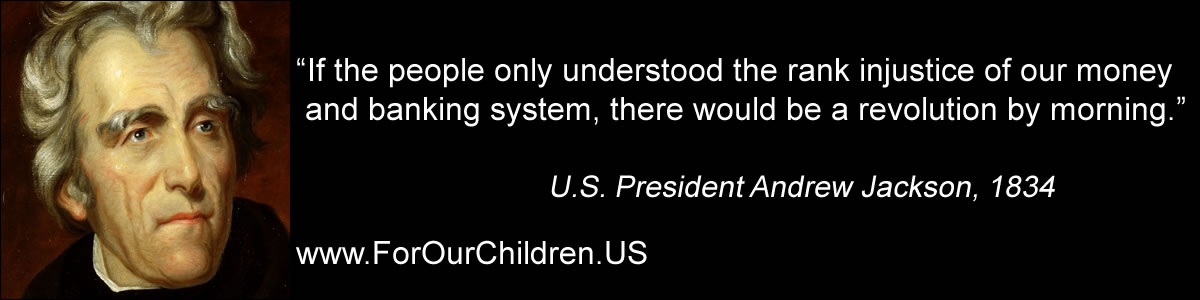
One of Jackson’s most compelling arguments against the bank was its lack of democratic accountability. He pointed out that the bank operated with little oversight, its directors unanswerable to the public. In contrast, he framed his own presidency as a direct reflection of the people’s will. His critique highlighted the tension between concentrated financial power and the ideals of self-governance that defined Jacksonian democracy.
The Bank War is a Struggle for the Soul of America
Jackson viewed the Bank War not just as a political conflict but as a moral struggle for the future of the nation. He saw himself as a guardian of the republic, fighting against a cabal of bankers and politicians who sought to undermine the principles of liberty and equality. His fiery rhetoric and uncompromising stance galvanized his supporters and left an indelible mark on American political culture.
The Legacy of the Bank War Lives On
The Bank War reshaped the American financial landscape, leading to the demise of the Second Bank of the United States and the rise of decentralized banking. Jackson’s victory was short-lived—his policies contributed to the economic turmoil of the Panic of 1837—but his crusade against centralized financial power left a lasting legacy. Today, his words continue to resonate with those who question the influence of Wall Street and the concentration of economic power in the hands of a privileged few.