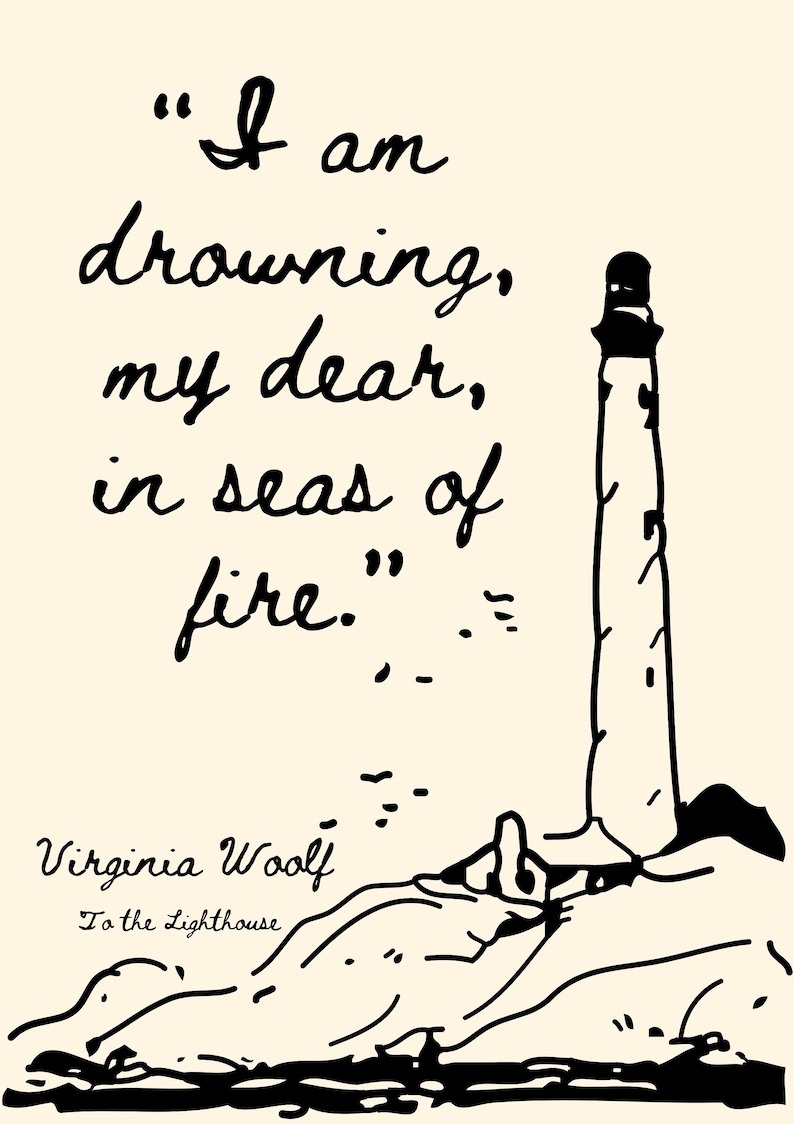
Virginia Woolf’s masterpiece, To the Lighthouse, is renowned not only for its innovative narrative style but also for its profound meditations on art and family. The novel captures the intricate web of human relationships and the ever-shifting perceptions of reality, often using art and family as lenses through which to explore deeper emotional truths. The quotes highlighted below reveal how Woolf artfully blends the mundane with the transcendent, inviting readers to ponder the delicate balance between personal history and creative expression.
The Lighthouse as a Symbol of Family and Artistic Aspiration

“What is the meaning of life? That was all—a simple question; one that tended to close in on one with years.” This reflection encapsulates the fundamental questions that hover over family dynamics and artistic pursuits in the novel. The lighthouse itself stands as a beacon, a focal point that both unites and separates the characters, symbolizing the elusive ideal that families and artists alike strive toward.
Capturing Fleeting Moments of Connection
“For nothing was simply one thing. The other Lighthouse was true as well; the thing itself and the thing understood.” This insight beautifully expresses how family relationships create a tapestry of realities—each person perceiving the same moment through their own lens, much like art reveals multiple layers beyond the surface.
The Intersection of Memory and Artistic Creation
“The past only comes back when the present runs so swiftly that it catches up with it.” In To the Lighthouse, Woolf shows how memories shape family narratives and inspire artistic expression. The novel suggests that just as an artist captures fleeting impressions on canvas, family history is a continuous process of reinterpretation and rediscovery.
Endurance and Change Within Family Life
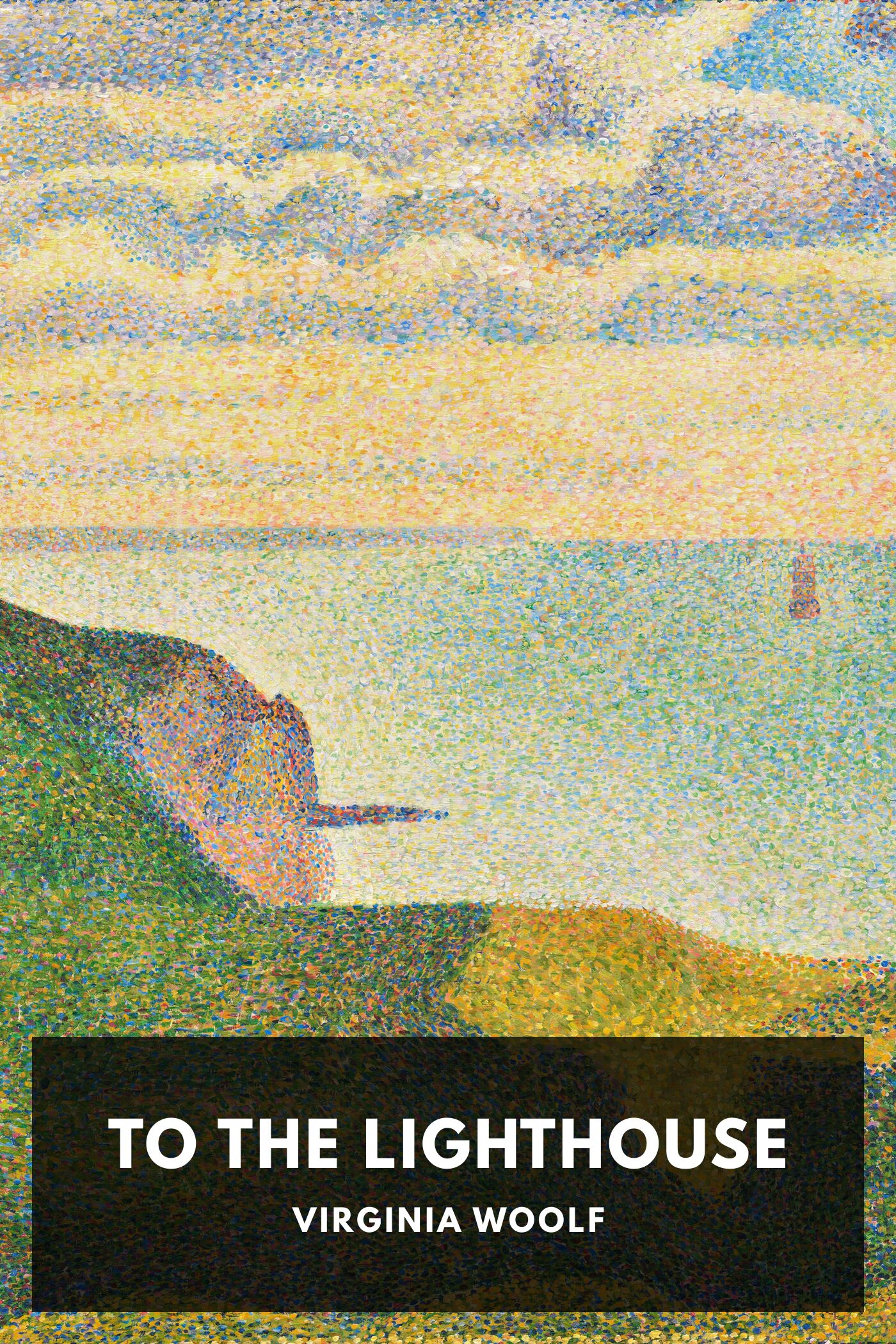
“And all the lives we ever lived and all the lives to be are full of trees and changing leaves.” This poetic observation reflects the acceptance of change as an intrinsic part of both family evolution and the artistic process, highlighting Woolf’s subtle embrace of impermanence amidst the search for meaning.
The Quiet Strength Found in Family Bonds

“To want and not to have, to kill yourself a little, is the universal problem.” This candid admission underscores the tensions within familial relationships and the sacrifices that often underpin creative work—reminding us that art and family both come with struggles that demand resilience and profound emotional insight.