Park Chan-wook, the master of dark, twisted cinema, crafts words as meticulously as he does his visually stunning frames. His films—from the razor-sharp revenge trilogy to the seductive psychological thriller *The Handmaiden*—are a playground of moral ambiguity, where beauty and brutality intertwine. Chan-wook’s dialogue doesn’t just serve the plot; it lingers like a haunting melody, revealing layers of human complexity beneath the surface. These quotes aren’t just lines from a script—they’re mirrors held up to society, reflecting the grotesque, the poetic, and the profoundly unsettling. Here are ten of his most twisted and brilliant observations, each a testament to his unparalleled ability to blend the macabre with the mesmerizing.
“The knife is the only honest thing in the world.”
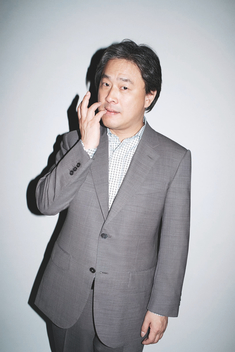
In a world where words are weapons and trust is a currency, the knife cuts through the noise with brutal honesty. Chan-wook’s films often explore the raw, unfiltered truth that emerges when violence becomes the only language left. Whether it’s the surgical precision of revenge or the intimate betrayal of a lover’s blade, the knife symbolizes the inevitability of consequence—where actions, no matter how calculated, leave indelible marks. It’s a metaphor that strips away the illusions of civility, revealing the primal instincts that lurk beneath.
“Love is a form of madness. It’s the only one that makes sense.”
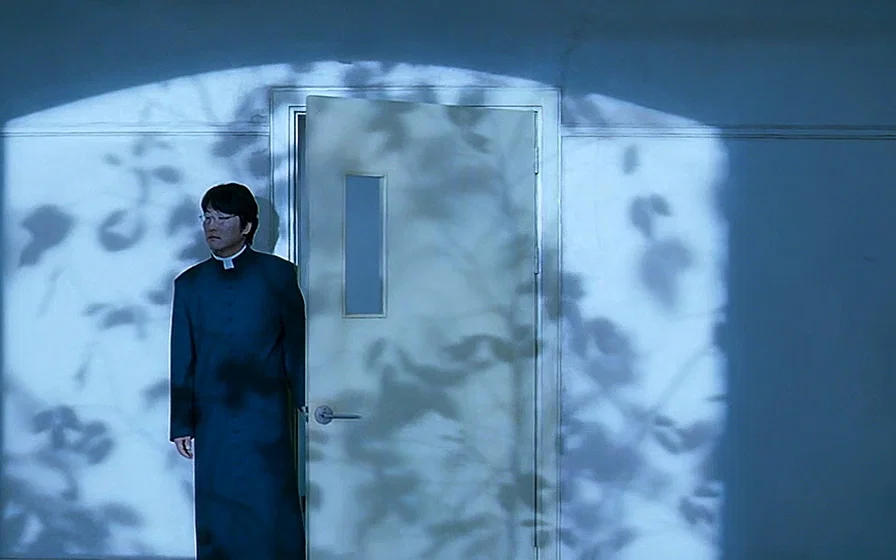
Chan-wook’s films are rife with characters who love to the point of self-destruction, where passion and obsession blur into something indistinguishable from insanity. Love, in his world, isn’t a gentle emotion—it’s a consuming force, a hurricane that leaves wreckage in its wake. Yet, for all its chaos, it’s the only thing that feels real in a world of calculated moves and hollow relationships. The quote encapsulates his fascination with the destructive power of desire, where the line between devotion and ruin is as thin as a knife’s edge.
“The past is a ghost that never lets go.”
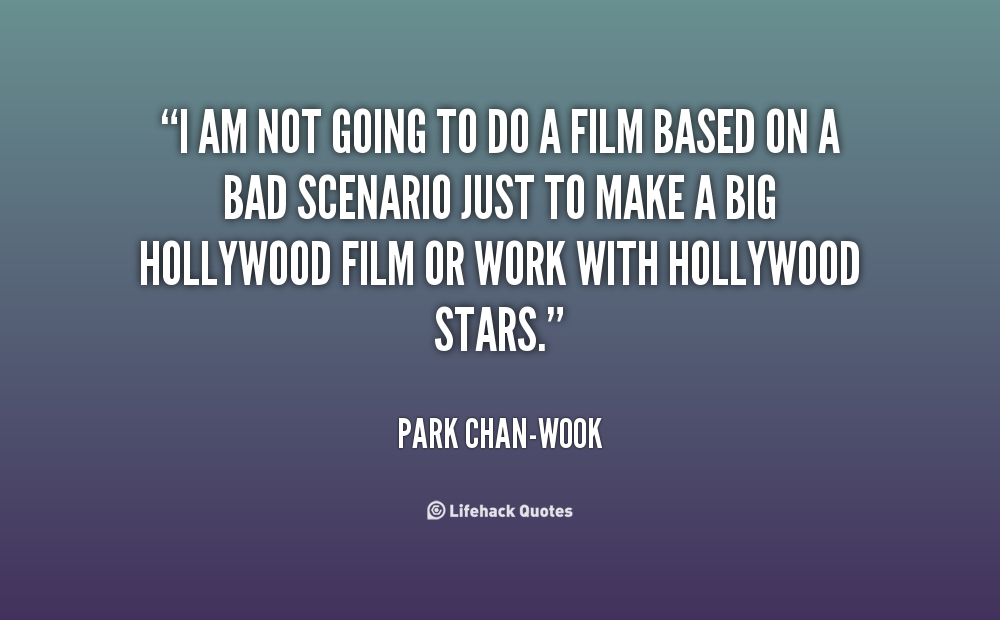
In Chan-wook’s narratives, the past isn’t just a memory—it’s a living, breathing entity that haunts every decision, every relationship, every breath. Whether it’s the lingering trauma of colonialism in *The Handmaiden* or the inescapable weight of betrayal in *Oldboy*, the past isn’t a chapter closed; it’s a shadow that clings to the present. His stories often revolve around characters who are prisoners of their own histories, doomed to repeat the sins of their ancestors or their former selves. The quote is a chilling reminder that some ghosts don’t need a graveyard to reside in—they live in the choices we make today.
“Beauty is the most dangerous weapon of all.”

Chan-wook’s films are a feast for the eyes, but that beauty is a trap—a Trojan horse concealing venom. Whether it’s the opulent settings of *The Handmaiden* or the striking visuals of *Sympathy for Mr. Vengeance*, the director lures viewers in with aesthetic perfection before twisting the knife. Beauty, in his world, isn’t just skin-deep; it’s a tool of manipulation, a way to disarm and deceive. The quote underscores his belief that the most alluring things are often the most destructive, a theme that resonates in an era where appearances can be as deadly as reality.
“Revenge is a dish best served cold—but only if you’re willing to eat it alone.”

The revenge trilogy is a cornerstone of Chan-wook’s filmography, and his take on vengeance is as cynical as it is poetic. Revenge isn’t a shared meal—it’s a solitary feast, one that leaves the avenger as hollow as the target. The quote captures the isolation that comes with seeking justice through violence, where the act of revenge doesn’t restore balance but instead deepens the wound. It’s a brutal truth: the cold dish of revenge may satisfy momentarily, but the aftertaste is always loneliness.
“A lie is just a truth waiting to be uncovered.”
Chan-wook’s films thrive on deception, where every character is a puppet master and every word a potential unraveling. Lies aren’t just fabrications—they’re seeds planted in fertile ground, waiting to sprout into something undeniable. Whether it’s the layers of deceit in *The Handmaiden* or the twisted narratives of *Stoker*, his stories hinge on the revelation that truth, no matter how buried, will always surface. The quote is a nod to his fascination with the fragility of perception, where the act of lying is merely a temporary illusion in the grand theater of human nature.
“The body is a battleground, and the mind is the ultimate traitor.”
In Chan-wook’s world, the human body is both a weapon and a victim, a site of both pleasure and pain. Whether it’s the physical torture in *Oldboy* or the erotic power struggles in *The Handmaiden*, the body is a canvas for the mind’s darkest impulses. The quote highlights his exploration of the disconnect between flesh and thought, where the mind betrays the body’s desires or the body betrays the mind’s intentions. It’s a duality that underscores his films’ themes of control, surrender, and the inevitable clash between desire and discipline.
“The more you know, the less you understand.”
Chan-wook’s narratives often spiral into labyrinths of information, where every answer births a new question. Knowledge isn’t power—it’s a curse that strips away innocence and leaves only ambiguity. Whether it’s the protagonist of *Decision to Leave* unraveling a mystery or the characters in *The Handmaiden* uncovering layers of deception, the more they learn, the more they’re ensnared in a web of their own making. The quote is a reflection of his belief that truth is a shifting landscape, and the pursuit of it is a journey without a destination.
“Evil isn’t born—it’s made, one choice at a time.”
Chan-wook’s villains aren’t mustache-twirling caricatures; they’re products of circumstance, trauma, and the slow erosion of morality. Whether it’s the protagonist of *Thirst* or the antagonist in *Oldboy*, his characters are shaped by the choices they make, each decision a brick in the wall of their eventual monstrosity. The quote dismantles the notion of inherent evil, instead framing it as a gradual descent into darkness. It’s a chilling reminder that we’re all capable of atrocities—given the right (or wrong) conditions.
“The heart is a liar, and the mind is its accomplice.”
Chan-wook’s characters are often torn between logic and emotion, where the heart’s desires and the mind’s calculations collide in explosive ways. Whether it’s the obsessive love in *The Handmaiden* or the self-destructive passion in *Stoker*, his stories hinge on the tension between feeling and reason. The quote captures his view of human nature as a battleground between instinct and intellect, where the heart’s lies are often the most seductive and the mind’s complicity the most damning. It’s a theme that resonates in a world where emotions are both our greatest strength and our most dangerous weakness.