Doubt has long been a subject of both fascination and apprehension in human thought. It challenges certainty and compels us to question the foundations upon which we build our knowledge and beliefs. Renu00e9 Descartes’ Discourse on Method dives deep into this very theme, exploring how doubt serves as a powerful tool in reconstructing a more reliable understanding of the world. The following quotes reveal a layered relationship between doubt and rebuilding, inviting us to reconsider our approach to knowledge and action.
The Beginning of Radical Doubt

Descartes begins his journey by doubting everything that can possibly be doubted. This radical skepticism isn’t an end in itself but a means to clear away falsehoods. It’s a deliberate act of resetting the mind’s canvas, questioning assumptions that have been accepted without scrutiny.
Doubt as a Path to Certainty
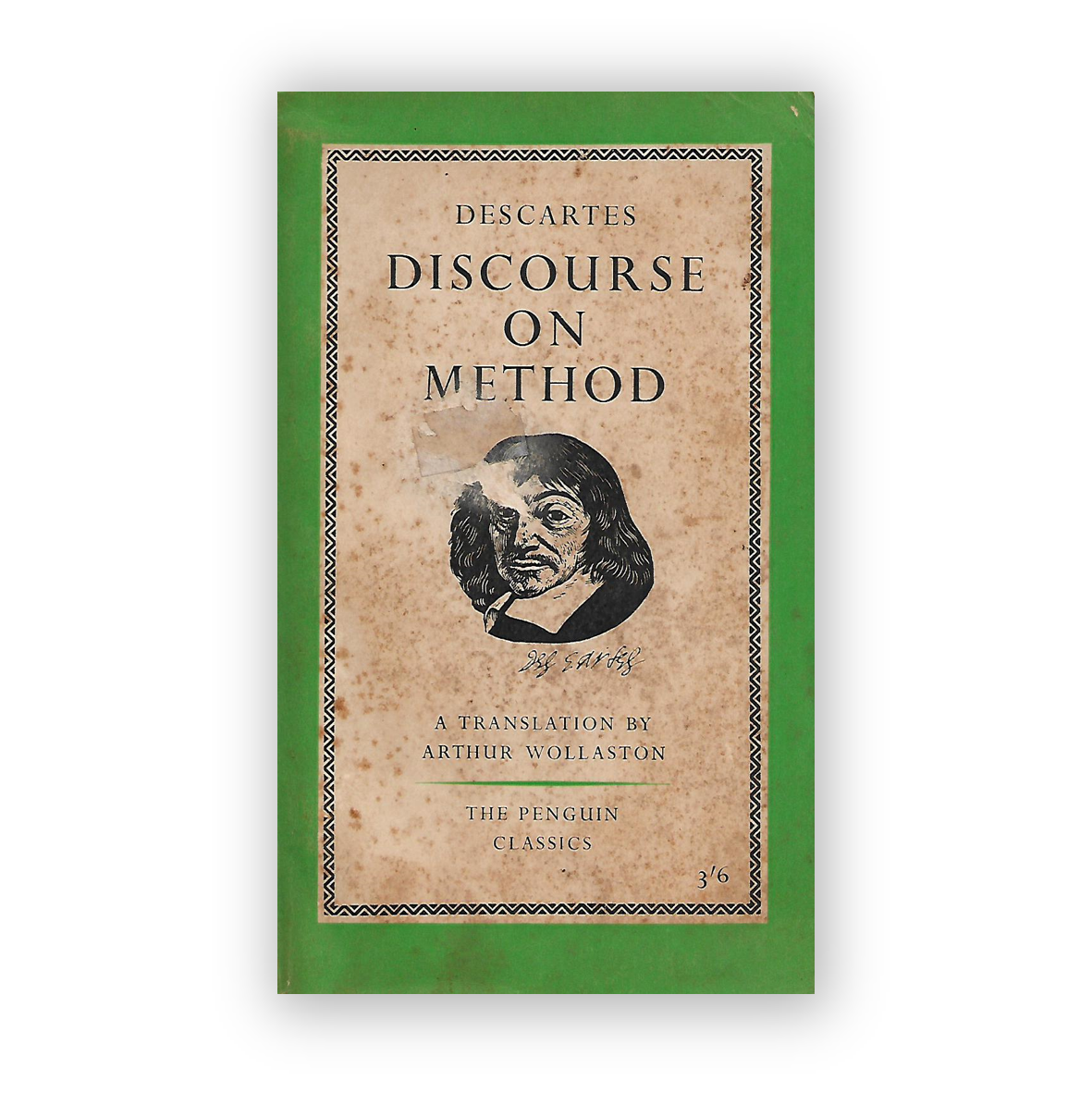
Rather than an obstacle, doubt is the precursor to true certainty. Descartes points out that by systematically doubting unreliable beliefs, one can discover indubitable truths. This underscores the idea that doubt and certainty are not opposites but sequential steps in the pursuit of knowledge.
Rebuilding Knowledge Piece by Piece

After dismantling previous beliefs, Descartes advocates building a new framework grounded in reason and clarity. This rebuilding process is cautious and methodical, showing that doubt leads to structure rather than chaos, steering us toward intellectual progress.
Methodical Skepticism in Daily Life

Doubt, applied systematically, can be a vital tool beyond philosophy. It encourages vigilance against accepting ideas at face value. Recognizing how doubt functions as a method helps us make better decisions and critically assess the information we encounter.
Action as the Remedy for Doubt
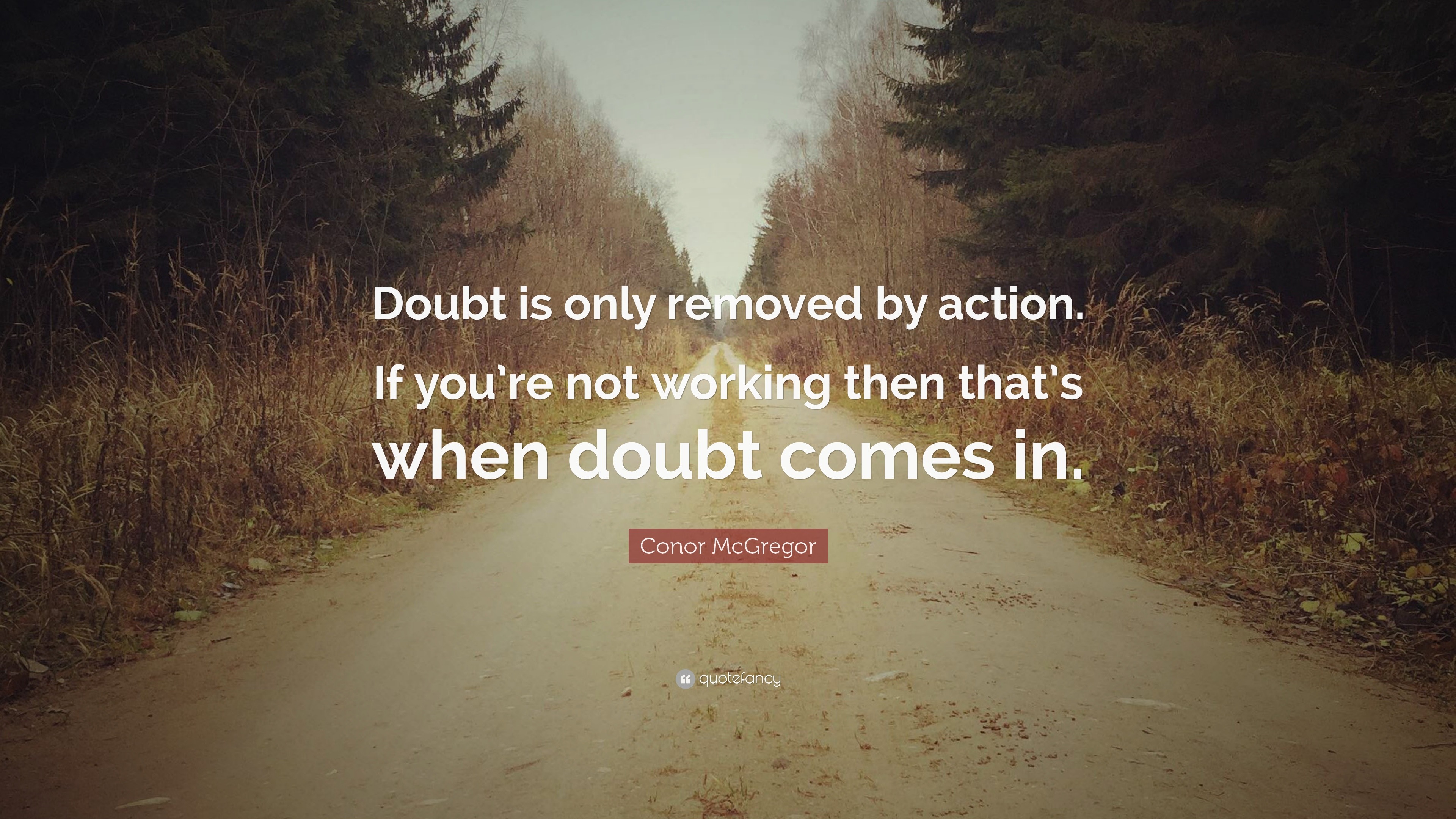
“Doubt is only removed by action,” this modern reminder echoes Descartes’ deeper message: while doubt is necessary, it cannot paralyze us. Only through decisive action can we move beyond uncertainty, putting our rebuilt beliefs to the test and gaining confidence.
The Nature of Self and Doubt
One profound insight from Descartes is the certainty of the self amid doubt. The famous “I think, therefore I am” reveals that even when doubting everything, the very act of doubt confirms the thinker’s existence. This realization anchors rebuilding by affirming the self as the starting point for knowledge.
Distinguishing Appearance from Reality
Doubt compels us to separate what merely appears true from what truly is. Descartes urges skepticism towards sensory information, which can be deceiving, and emphasizes reason as the ultimate criterion for judging reality.
Doubt’s Role in Intellectual Humility
By embracing doubt, we accept the limits of our knowledge. This humility opens the door to continuous inquiry and growth, keeping us open to new ideas and preventing dogmatic thinking.
Doubt as a Catalyst for Innovation
When old certainties are questioned, new possibilities emerge. Descartes’ method shows that doubt fosters creativity by freeing the mind from constraints and encouraging novel perspectives on familiar problems.
Trusting Reason After Doubt
Finally, Descartes highlights that the rebuilding process culminates in a trust in reason. Doubt removes faulty foundations, allowing reason to reconstruct a stable and coherent worldview, empowering us to move confidently forward.