True crime has long captivated audiences, blending the stark realities of violence with the sensationalism of storytelling. Particularly during the so-called “Murder of the Century,” the public’s fascination was fueled by both genuine intrigue and the rise of yellow journalism—an era where the boundary between fact and entertainment blurred significantly. This blend of morbid curiosity and media exaggeration has left us with quotes that shed light on why we remain drawn to these stories and what deeper truths they reveal about human nature and society.
The Allure of Infamous Murders

“113 Best Quotes on Murder” invites us to consider how murder, while horrifying, stimulates a unique blend of fear, fascination, and philosophical reflection. These quotes highlight the paradox of our attraction to tragedy: a way to confront our deepest anxieties while seeking meaning in chaos.
Voices From the World’s Coldest Killers
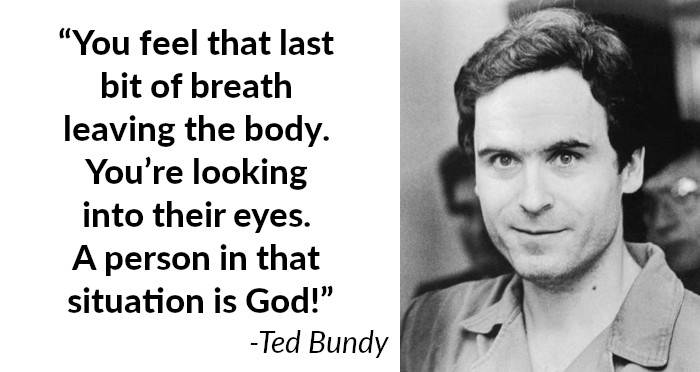
Hearing perspectives from notorious murderers themselves uncovers an unsettling truth about human psychology. Their chilling words expose how detached reasoning and emotional voids can lead to dark acts, but also why society is drawn to understanding the minds behind the crimes.
Historical Echoes of a Crime That Shook a Century
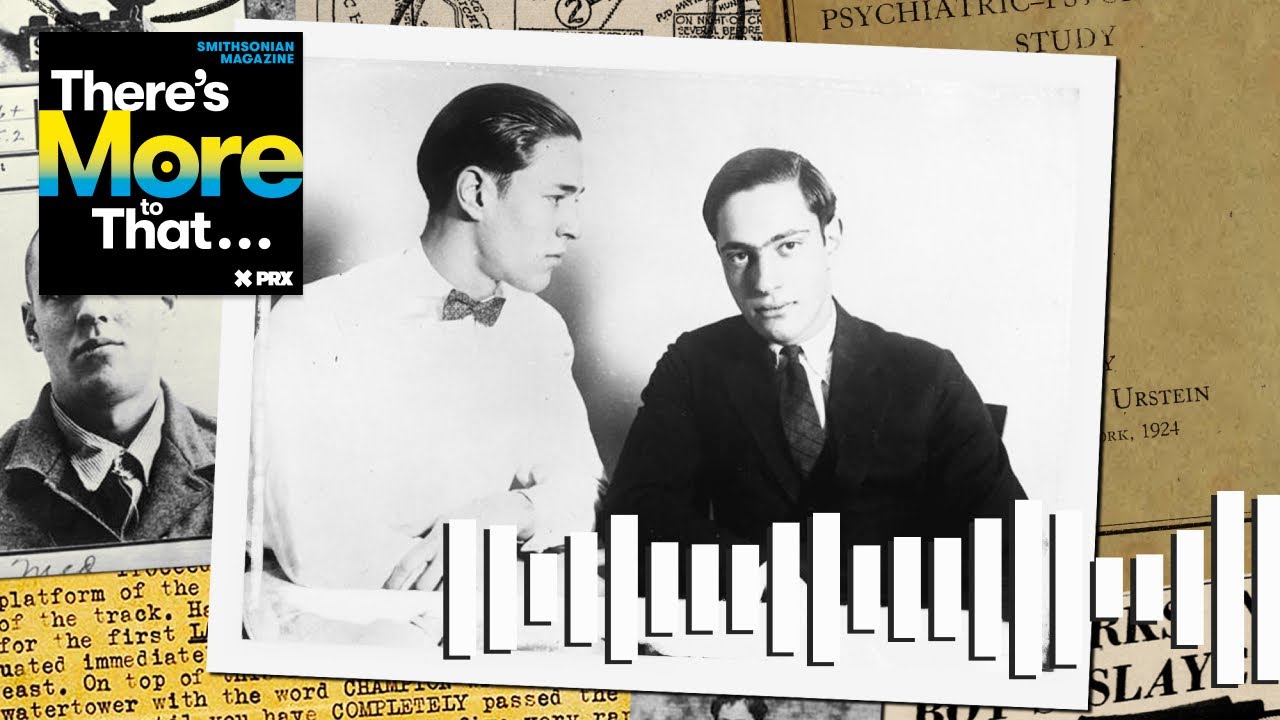
The phrase “Crime of the Century” not only marks a defining moment in criminal history but also reflects how such events become cultural touchstones. This lasting impact arises from the media’s relentless coverage, imprinting a narrative of fear and fascination across generations.
The Influence of True Crime Literature
True crime books fuel the public’s craving for more detailed and nuanced stories beyond headlines. These works often navigate the space between reporting and storytelling, exemplifying how truth is crafted and consumed under the shadow of sensationalism.
Emotional Toll of Serial Murders
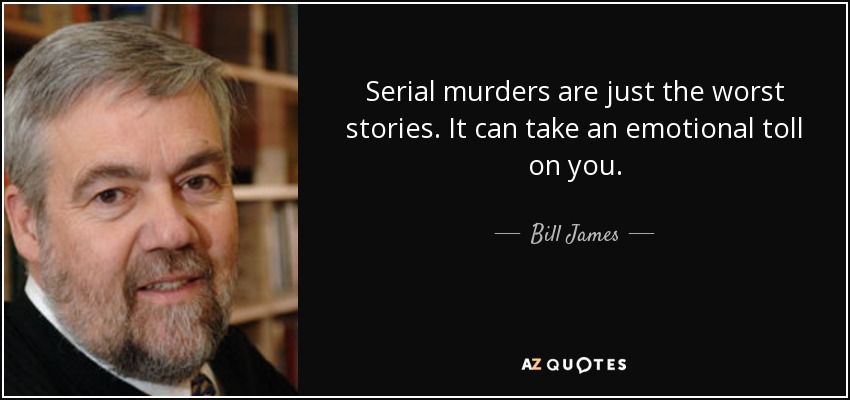
Bill James’ observation that “serial murders are just the worst stories” reminds us of the profound emotional drain such cases impose—not only on victims’ families but also on communities and those who follow these dark narratives closely, including the press.
Murder as a Mirror to Society
These quotes collectively suggest that our fascination with murder and crime stories is more than voyeurism. It acts as a mirror, reflecting societal fears, norms, and the fragility of human morality. Yellow journalism amplifies this mirror, sometimes distorting the image but always compelling us to look deeper.
The Power of Narrative in Shaping Perception
Storytelling transforms cold, factual reports into compelling sagas. During the Murder of the Century, media outlets realized the power of narrative not just to inform but to evoke emotion and drive public engagement. This set a precedent for how sensationalism could shape public consciousness.
True Crime’s Psychological Pull
Quotes from killers and commentators reveal a shared psychology in audiences: the desire to understand evil, to feel control through knowledge, and to grapple with the darkest aspects of human existence in a controlled environment.
Media Responsibility and Ethical Boundaries
The era also raised important questions about the responsibility of journalists. When sensationalism overtakes facts, it risks exploiting tragedies and muddying justice, forcing readers to question what they consume and why they consume it.
Enduring Fascination and Its Future
Today, as true crime media evolves with podcasts, documentaries, and online forums, these quotes remind us that the core of our fascination remains unchanged. It is rooted in a deep human need to confront mortality, morality, and the sometimes blurry line between fact and fiction.