Ever wondered if being called “selfish” is actually a compliment? Ayn Rand, the philosopher and novelist, certainly thought so. Her provocative ideas about selfishness as a virtue have sparked debates for decades. Is it possible that the pursuit of self-interest isn’t just natural—it’s noble? Let’s dive into 10 of her most thought-provoking quotes on the subject, each paired with a striking image to bring her words to life.
The Virtue of Selfishness: A Radical Idea?

What if selfishness isn’t the moral villain we’ve been taught to believe? Rand argues that prioritizing one’s own needs and desires isn’t just acceptable—it’s a virtue. This quote challenges the very foundation of altruism, suggesting that self-sacrifice might actually be the real moral failing. Could society be built on a lie?
Love as an Expression of Self-Esteem
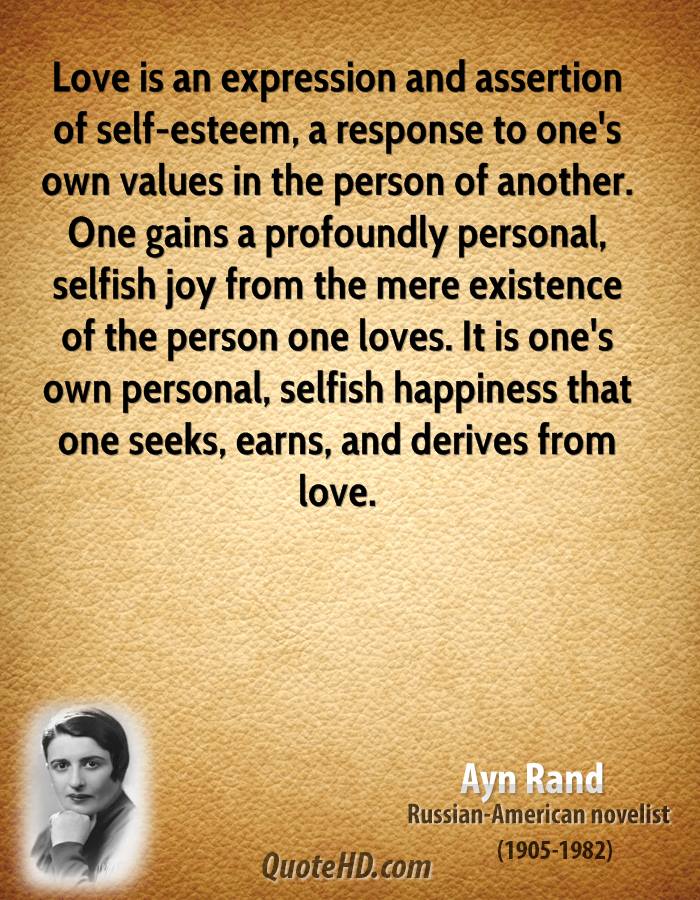
Rand flips the script on romantic love, proposing that it’s not about selflessness but about self-worth. According to her, loving someone stems from a deep appreciation of oneself. If love is rooted in self-esteem, does that mean the healthiest relationships are those where both partners value themselves first? It’s a radical take on intimacy.
Self-Respect: The Quest That Proves Its Absence
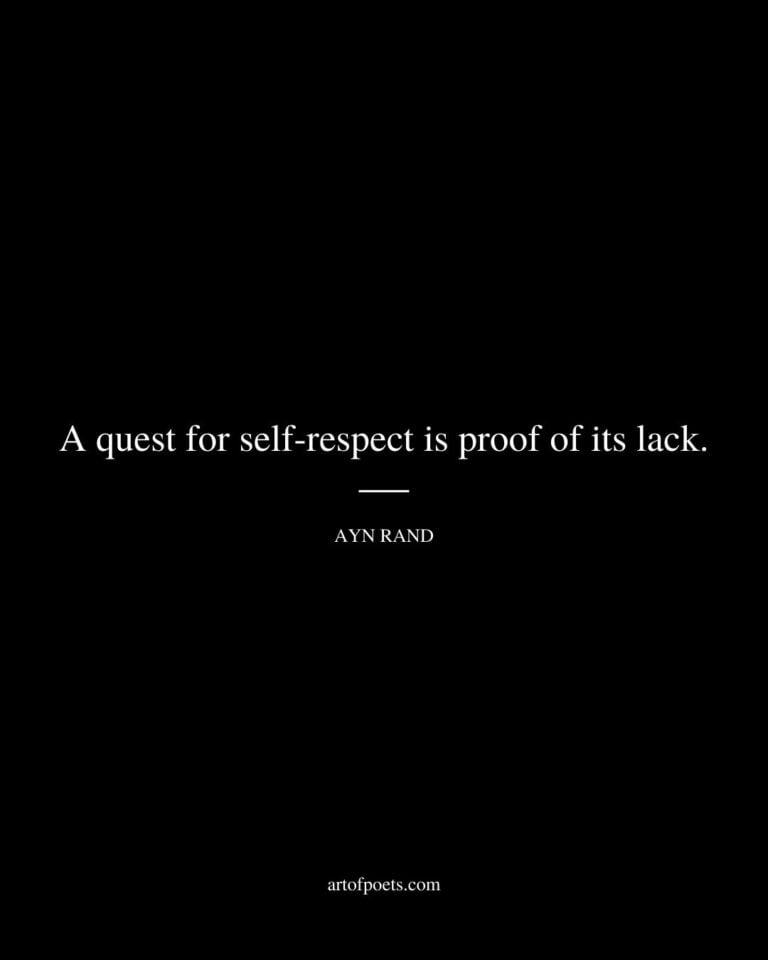
Here’s a mind-bender: Rand suggests that constantly seeking self-respect is a sign you don’t actually have it. If you’re always chasing validation, does that reveal an underlying insecurity? This quote forces us to question whether our efforts to “find ourselves” are just symptoms of a deeper lack of self-assurance.
The Smallest Good Deed: Unselfish or Worthless?
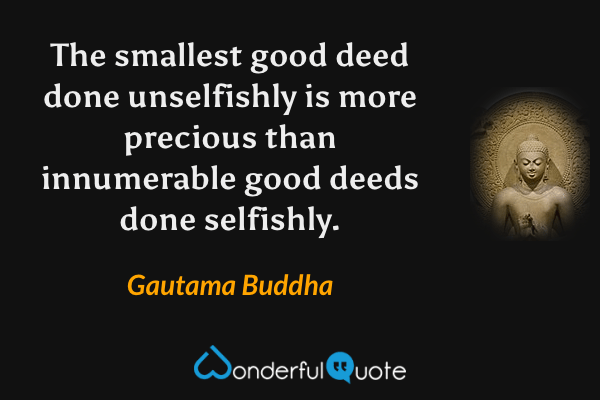
Rand takes a sledgehammer to the idea that unselfish acts are inherently virtuous. She argues that even the smallest good deed loses its value if done purely out of self-sacrifice. Does this mean morality is meaningless unless it serves the self? It’s a jarring perspective that turns centuries of ethical teaching on its head.
Selfishness vs. Self-Interest: What’s the Difference?
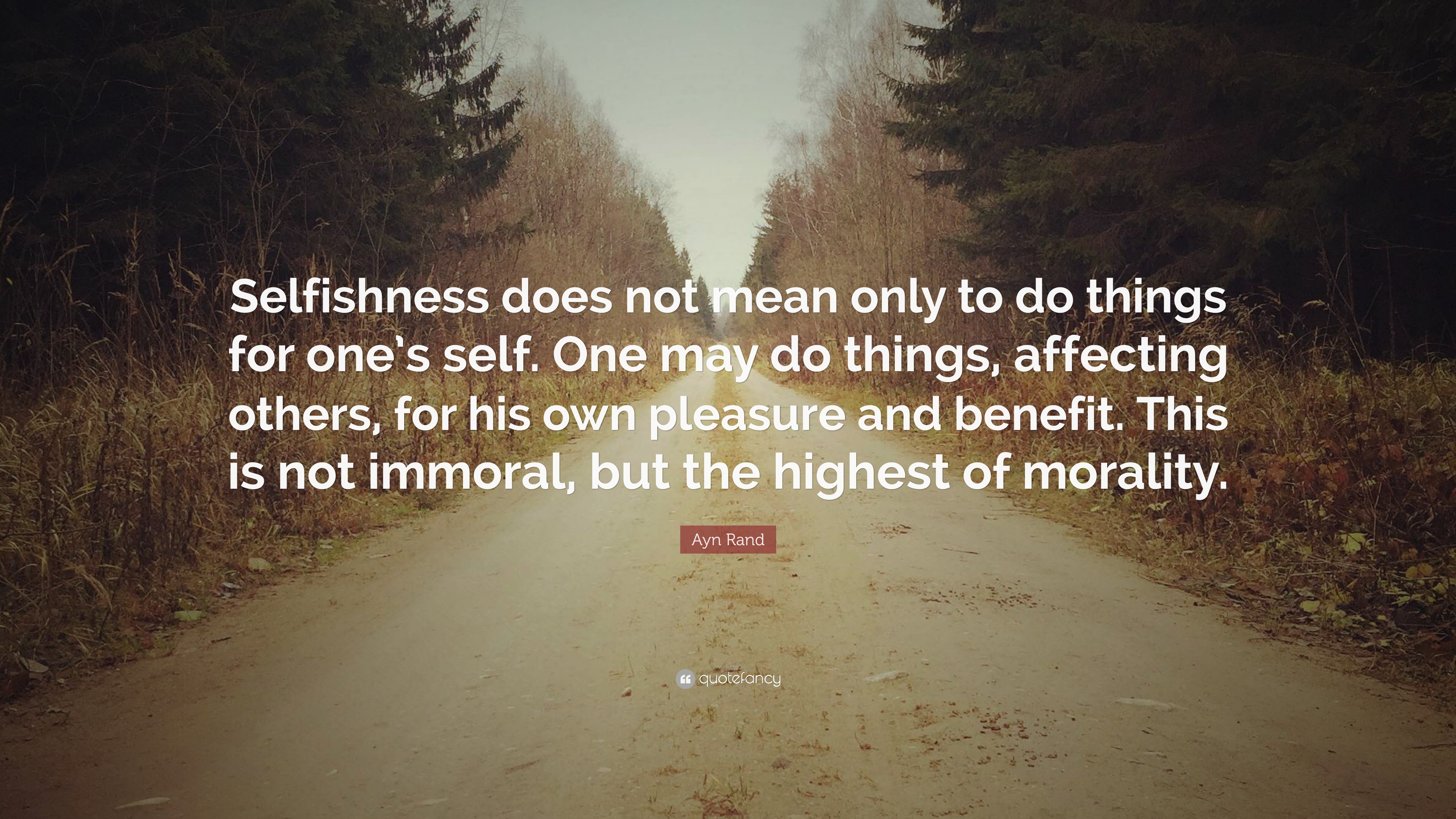
Rand clarifies that selfishness isn’t about greed or harming others—it’s about pursuing one’s own rational self-interest. This nuanced take separates selfishness from narcissism, framing it as a moral duty to oneself. But where’s the line between healthy self-interest and outright selfishness? It’s a question that lingers long after reading.