In a world that often rushes past moments of genuine connection, the teachings of Thich Nhat Hanh offer a profound invitation to slow down and truly embrace love through mindfulness. “How to Love” goes beyond conventional ideas of romance or affection, guiding us into a deeper awareness of what it means to love fully and compassionately. The fascination with Thich Nhat Hanh’s approach lies in how he gently unveils layers of meaning within everyday interactions, transforming love into a practice of presence, understanding, and healing. Below are 10 quotes from “How to Love” that beautifully highlight the essence of mindful love.
The Art of Being Present

“To love without knowing how to love wounds the person we love.” This reminder emphasizes that love is not simply an emotion but a mindful action that requires attention and skill. It’s easy to assume love is spontaneous and effortless, but Thich Nhat Hanh insists that awareness and presence are essential to truly nurture and sustain it.
Embracing Impermanence

Understanding that nothing lasts forever can be unsettling, yet it also deepens our appreciation of love. To love mindfully means to cherish moments as they are, knowing they will change. This awareness brings tenderness and urgency to our relationships, reminding us to open our hearts fully before time passes.
Listening as an Act of Love
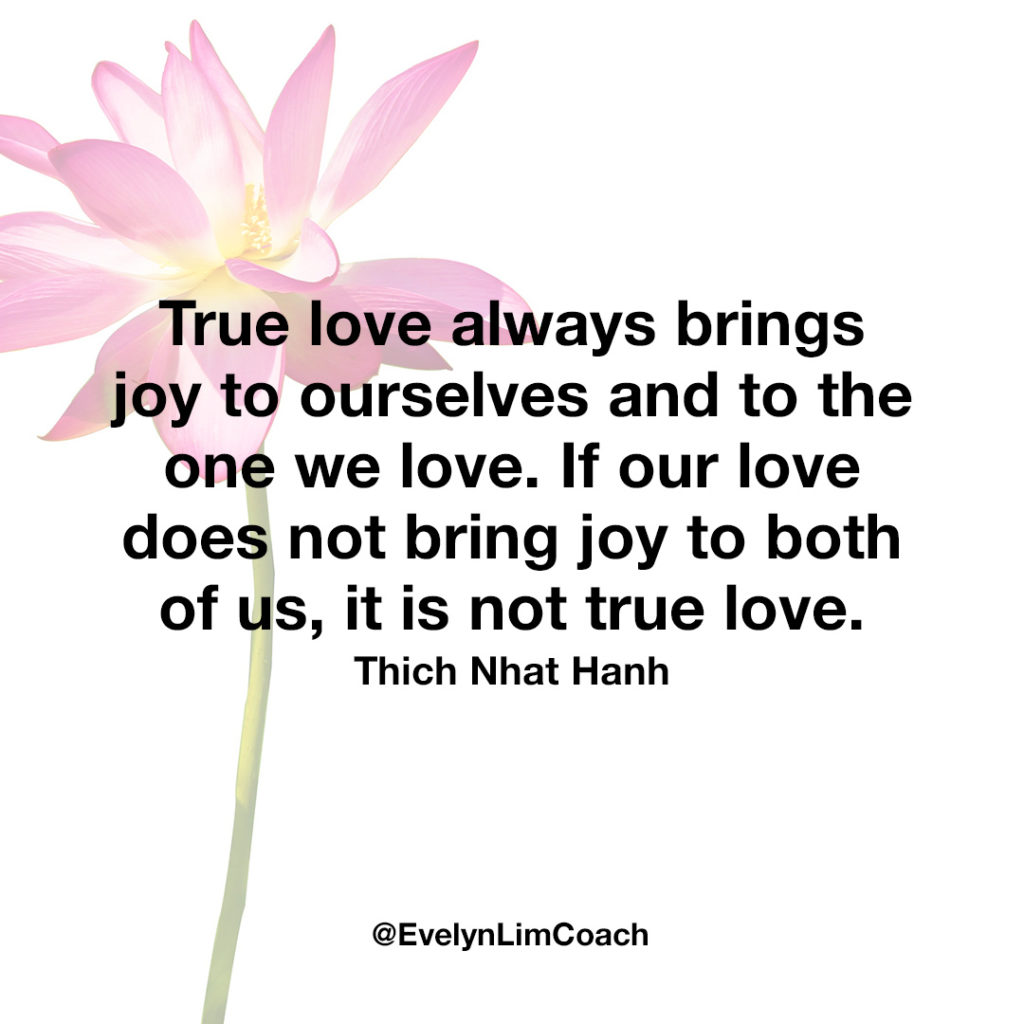
One of the most powerful gifts we can offer is our attentive listening. Thich Nhat Hanh teaches that to love someone is to listen deeply—not just to words but to feelings and even silence. This kind of mindful listening fosters genuine understanding and nurtures trust.
Love as Nourishment

“Love is the capacity to take care, to protect, to nourish.” This image of love as sustenance challenges us to see it as a daily practice. Much like tending to a garden, love flourishes under the care of mindful actions, patience, and kindness.
Healing Through Compassion
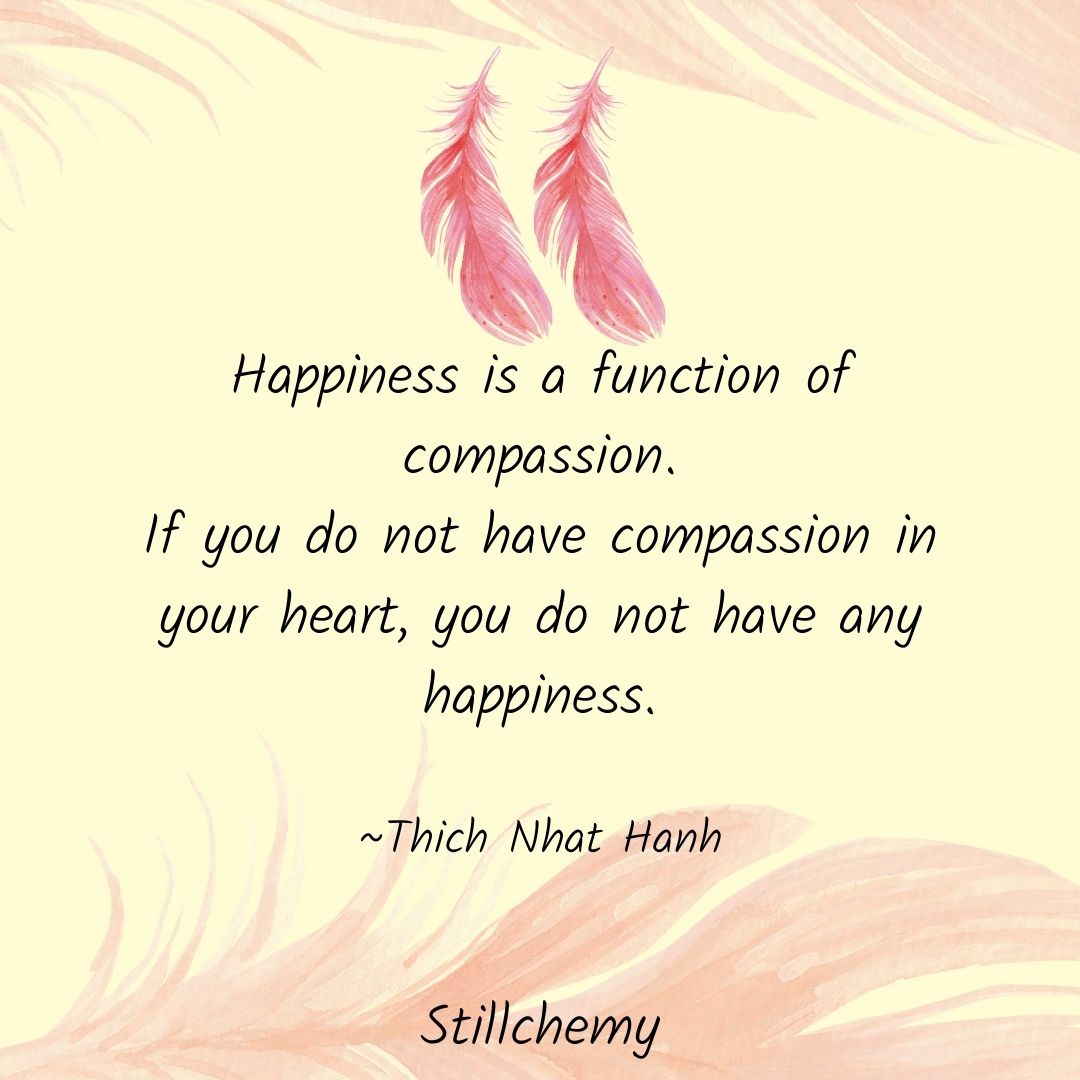
Compassion is at the heart of mindful love. It allows us to understand and soften the wounds in ourselves and others. By cultivating compassion, we are able to move beyond blame and resentment, inviting peace and healing into our relationships.