Harper Lee’s “To Kill A Mockingbird” is a profound exploration of prejudice, morality, and humanity set in the deep South during the 1930s. The novel adeptly encapsulates the endemic racism that pervaded society at the time, and through its poignant dialogue, it reveals the complexities of human behavior. Here are ten powerful quotes from the book that expose the tragic realities of racism and encourage reflection.
1. “The one thing that doesn’t abide by majority rule is a person’s conscience.”

This quote illustrates the significance of individual morality in the face of collective bias. It emphasizes that one’s ethical beliefs should transcend societal conventions.
2. “Mockingbird is a symbol of innocence, it’s a sin to kill one.”

In the narrative, the mockingbird represents the innocent victims of prejudice. This metaphor compels readers to consider the ramifications of harming those who do no wrong.
3. “I wanted you to see what real courage is, instead of getting the idea that courage is a man with a gun in his hand.”

This statement redefines bravery, highlighting moral fortitude in standing against racial injustice rather than succumbing to violence.
4. “It’s never an insult to be called what somebody thinks is a bad name. It just shows you how poor that person is, it doesn’t hurt you.”

This remark showcases resilience, suggesting that insults reveal more about the insulter’s character than the true worth of the targeted individual.
5. “Until I feared I would lose it, I never loved to read. One does not love breathing.”

This quote underscores the importance of knowledge, portraying education as a fundamental means to combat ignorance and bigotry.
6. “There’s a lot of ugly things in this world, son. I wish I could keep ‘em all away from you.”

This haunting statement reveals a parent’s desire to shield their child from the harsh realities of hate and discrimination.
7. “The one thing that doesn’t abide by majority rule is a person’s conscience.”

Reiterating the theme of individual ethical responsibility, this quote reminds us that morality is often at odds with communal beliefs.
8. “Atticus, he was real nice.” “Most people are, Scout, when you finally see them.”

This exchange emphasizes the importance of empathy and understanding, portraying the transformative power of perspective.
9. “But there is one way in this country in which all men are created equal—there is one human institution that makes a pauper the equal of a Rockefeller, the stupid man the equal of an Einstein…”
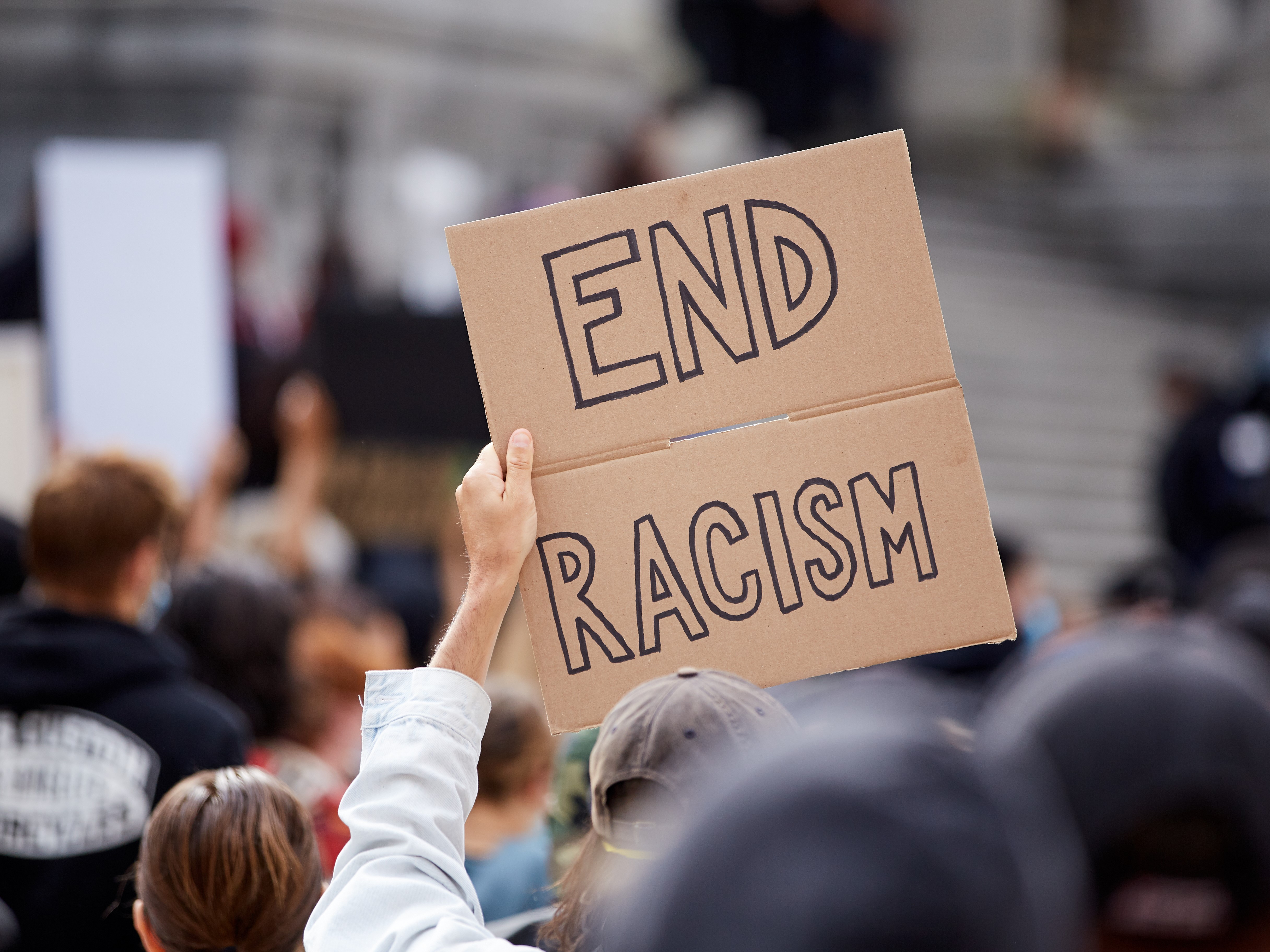
This quote advocates for the power of the courtroom as a great equalizer, despite systemic inequalities that persist beyond its walls.
10. “The one thing that doesn’t abide by majority rule is a person’s conscience.”
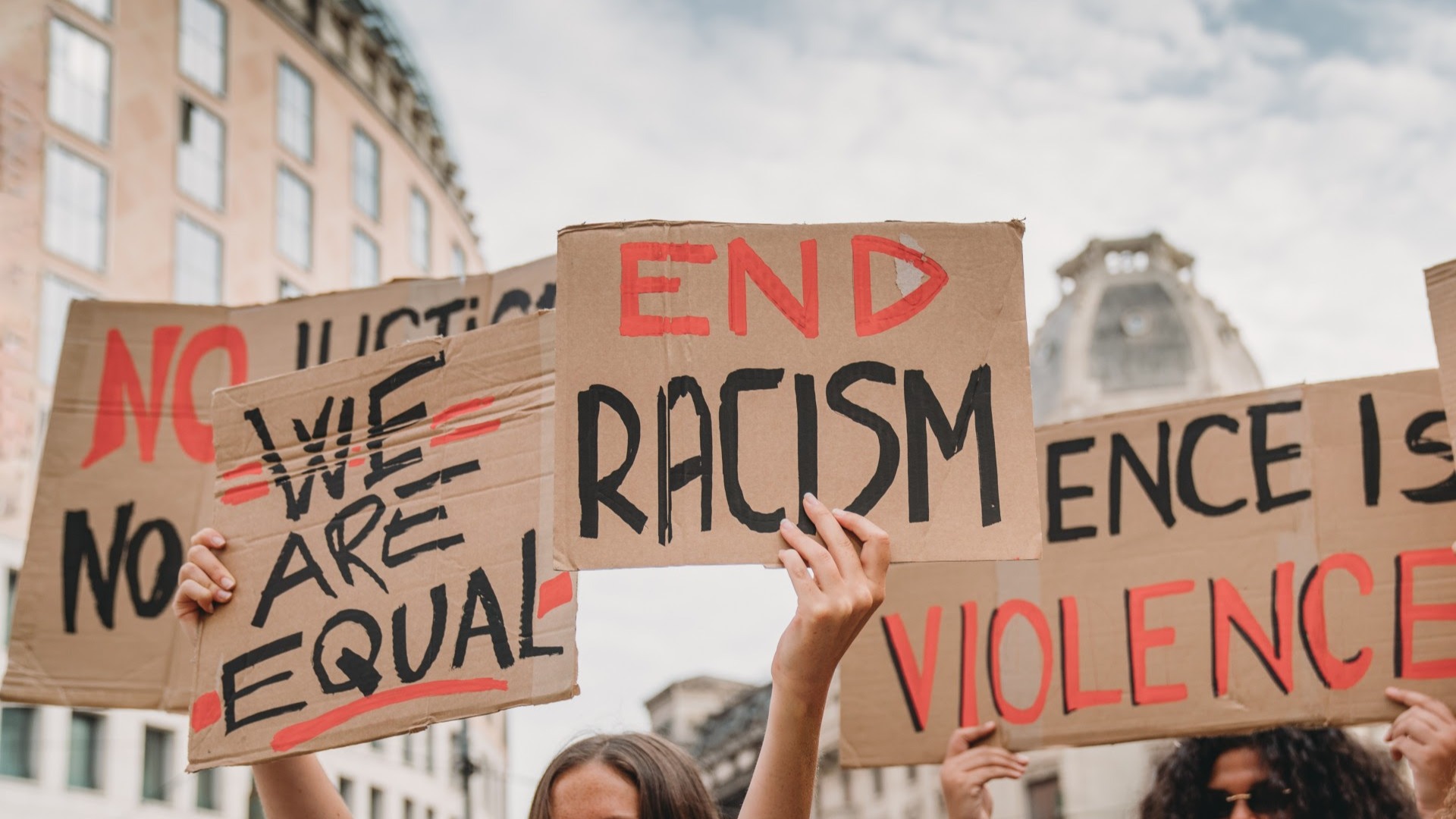
Reiterated for emphasis, this line encapsulates the ongoing theme of moral autonomy amidst societal pressures, a salient reminder in today’s discourse on racism.